
Vermona’s original DRM is a programmable Digital Rhythm Machine with twelve voices, factory rhythms and battery-backed user programs.
The machine in the record
KiNK / composing live.
A cited video identifies KiNK composing live with a vintage Vermona Digital Rhythm Machine. No release is named. The connection belongs to the stage, where an older machine becomes part of a performance assembled in public time.
Read KiNK with the Vermona Digital Rhythm Machine ↗More records in the archive
The machine keeps turning up.
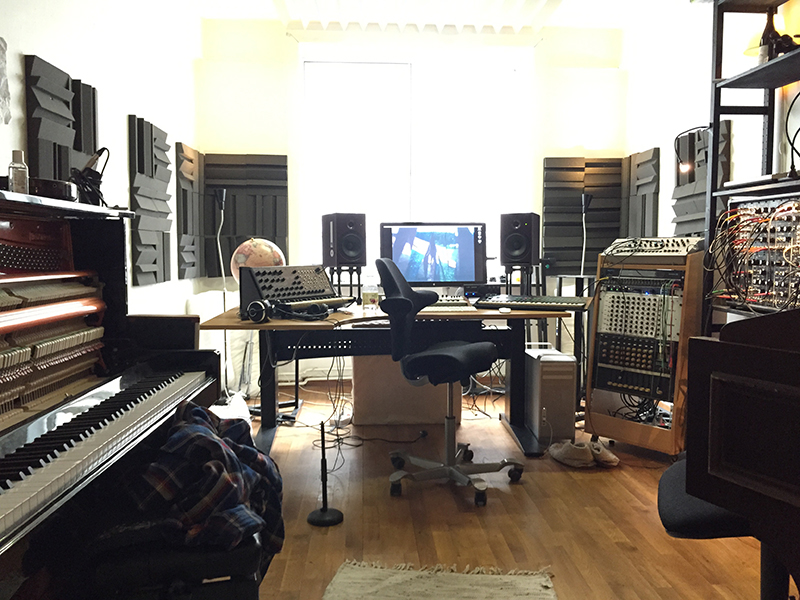
André Bratten / the EP with Machinedrum
Bratten names a Vermona DRM throughout an EP made with Machinedrum after extensive external processing. The shorter name does not identify the original programmable DRM or a particular later DRM1 revision.
Read André Bratten’s Vermona DRM ↗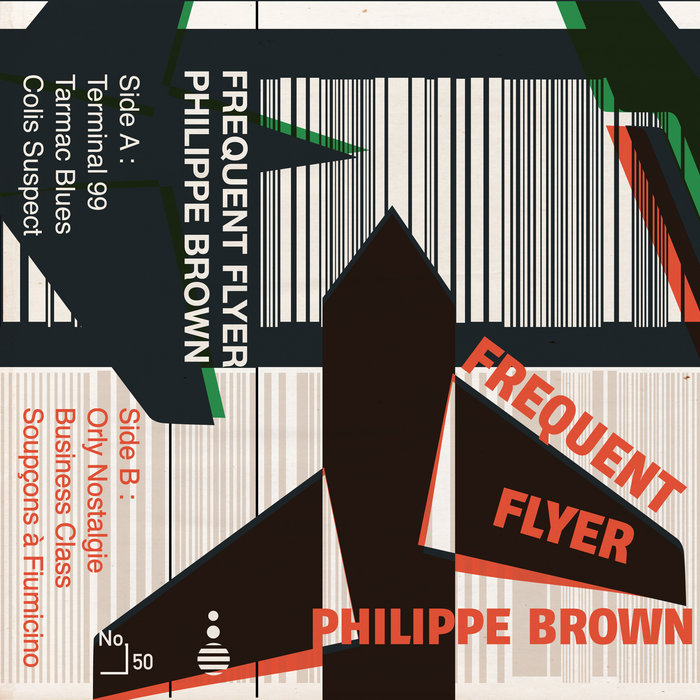
Philippe Brown / Frequent Flyer
Philippe Brown lists a Vermona DRM among the gear for Frequent Flyer. The credit does not identify which DRM-named instrument was used.
Read Philippe Brown — Frequent Flyer ↗
Alex Banks / “Stratosphere” from Projections
Alex Banks identifies the bold metallic drum hits on Stratosphere as a later Vermona DRM-1. This is a related-instrument account, not a recording credit for the original programmable DRM.
Read Alex Banks — Projections track by track ↗A complete digital rhythm machine
Bass drum, toms, cowbell, claves, cymbal, hi-hats, clap and two snares sit together in a self-contained programmable instrument. Stereo, mono and headphone outputs make clear that the DRM was intended to speak directly to a working player, rather than wait for a later trigger module to make it useful.
Writing the changes as well as the beat
Step and real-time programming, fills, solos, changes, count-ins and foot controls give the DRM a properly performable vocabulary. It was designed to carry someone through transitions, surprises and the end of a tune, not merely to loop in the background.
A preserved East German design
Vermona’s official heritage archive has kept the DRM operating and service material available. The original manual still conveys the machine’s purposeful balance: fixed percussion voices, programmable patterns and a panel that expects the musician to take charge.
Later instruments carrying the name
The DRM1 is a later instrument with a similar name. Alex Banks’s Stratosphere account explicitly identifies that later DRM-1; it is included here as a related story, not evidence that the original programmable DRM made those sounds. André Bratten’s interview and Philippe Brown’s release credit use the shorter Vermona DRM name without a confirmed revision. Their accounts stay visible, with that boundary intact, and the family page connects them to the wider range.
DRM1 MKIII — manufacturer product description ↗ Alex Banks — Projections track by track ↗ André Bratten’s Vermona DRM ↗ Philippe Brown — Frequent Flyer ↗
On record
- KiNK — Live composition performance. A cited video identifies KiNK composing live with a vintage Vermona Digital Rhythm Machine. Source ↗
- André Bratten — the EP with Machinedrum. Bratten says the DRM appears throughout an EP he made with Machinedrum after extensive external processing. Source ↗
- Philippe Brown — Frequent Flyer. Philippe Brown lists a Vermona DRM among the gear used for Frequent Flyer. Source ↗
Sources
The visual archive
Further visual evidence.
These displayed records are labelled by their documented role, date and source; source-only records are listed separately below.
Sources for images shown earlier (3)
- Alex Banks — Projections ↗
- André Bratten / Attack Magazine studio feature ↗
- Philippe Brown — Frequent Flyer ↗
2022-04-23 · Philippe Brown / release artwork via Bandcamp · Official Bandcamp release-page artwork (Open Graph image)
Additional visual sources (1)
Original publications and related image sources.
- Vermona DRM Digital Rhythm Machine manual ↗
Original edition undated · Vermona · Vermona heritage-service manual PDF