
Univox’s SR-95 was offered in Lafayette’s 1977 catalogue at US$229.95 as the twenty-rhythm Super Rhythmer.
Twenty preset rhythms under a lid
Ten rhythm buttons and an A/B selector give the Univox SR-95 twenty preset accompaniments, from waltz and samba to four rock patterns. The Super Rhythmer puts those choices across the front of a compact, angled case. Lafayette offered it for US$229.95 in its 1977 catalogue: a dated retail offer, not an established launch price.
SR-95 Electronic Automatic Rhythm Instrument: Service Manual ↗ Lafayette 1977 catalogue: Univox SR-95 Super Rhythmer ↗
The first beat always matters
Choose a rhythm, turn the tempo knob and press Start/Stop. The lamps show the selected rhythm section while stopped, then flash on the first beat of each measure during play. A connected foot pedal performs the same start/stop job, leaving both hands available for the instrument being accompanied.
SR-95 Electronic Automatic Rhythm Instrument: Service Manual ↗
A mix that could be touched
Three additional-volume sliders blend quijada, guiro and tambourine into the rhythm. Master volume sets the overall level; the manual says raising Tone Balance emphasises cymbal and maracas tones. It directs the high-level output to an electronic organ and the low-level output to another amplifier. A rear compartment stores the leads and pedal; a vinyl cover completes the listed accessories.
SR-95 Electronic Automatic Rhythm Instrument: Service Manual ↗
A later, credited life
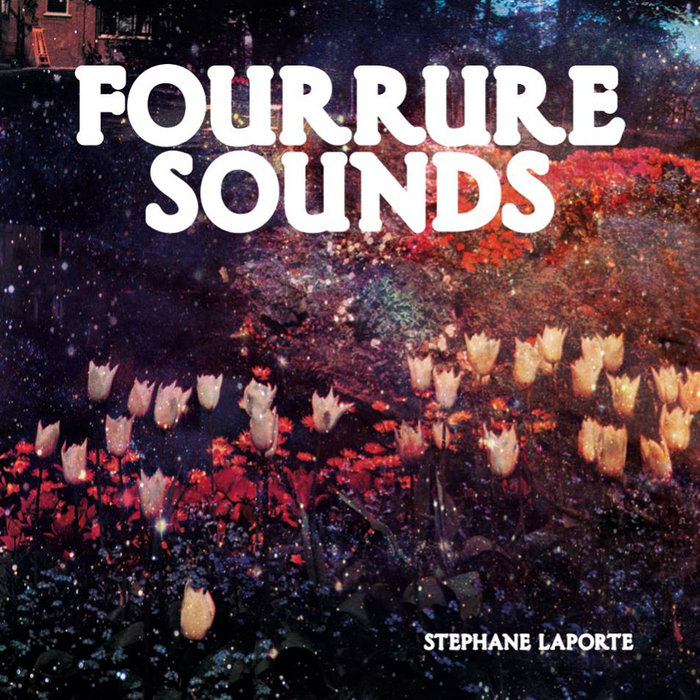
Domotic names a Univox SR-95 and Korg MS-10 on the official page for “Univox,” from Fourrure Sounds, released on 9 April 2016. The pairing is documented, but the page does not allocate particular sounds, patterns or processing to either instrument. The retained image is the album’s artwork, not a photograph of the setup.
The pleasure of the fixed pattern
The panel offers selection and balance rather than a memory for newly written sequences. In 2012, Aimee Norwich welcomed that simplicity and described combining buttons to make other rhythms; she was describing her own later experience with the box. I SATELLITE’s studio inventory separately lists an SR-95. Its nearby account of writing “City Streets” concerns an SR-120, not this model.
SR-95 Electronic Automatic Rhythm Instrument: Service Manual ↗ Thursday Gear Review: Univox SR-95 ↗ Omeganaut: I SATELLITE studio gear ↗
Steve Moore’s rhythm-machine palette
Steve Moore’s Primitive Neural Pathways credits both the SR-95 Super Rhythmer and SR-55 among a wider instrument list. The artist page dates its release to 9 August 2011 but also says it originally appeared through Static Caravan in 2010. The SR-95 belongs to that release-wide palette; the credits do not identify which rhythm machine plays on each track.
A place in a live orchestra
Mat Watson included the SR-95 in the instrument list for Magnitudes, the MESS Synthesiser Orchestra’s planned March 2021 debut. His pre-concert interview described players operating the machines live, without a MIDI-controlled, synchronised arrangement. It documents the proposed role of a preset box among many instruments, not confirmation of what happened at the concert.
Magnitudes: Behind-the-scenes of the MESS Synthesiser Orchestra’s live debut ↗
The Univox on “Everybody Hurts”
Peter Buck told Ira Robbins that he bought a twenty-dollar Univox drum machine and recorded “Everybody Hurts” live with Mike Mills around its metronomic feel. The author’s republication of the October 1992 interview gives no model number. It is a direct account of an unspecified Univox, not a confirmed SR-95 recording credit.
In the market
Explore 1 period price record
- 1977 · USD 229.95
Lafayette advertised retail offer. SR-95 stock13P66772W
Recording and working accounts
Explore 8 source accounts
- I SATELLITE
- R.E.M. — Everybody Hurts
- Domotic — Univox
The official release page explicitly credits Univox SR-95 and Korg MS-10.
- Moby — Reported Univox SR-95 video appearance
- Analytica — Strategy Of Tension
- Steve Moore — Primitive Neural Pathways
- MESS Synthesiser Orchestra / Mat Watson — Magnitudes — planned live debut
Read this account in the story ↑
Magnitudes: Behind-the-scenes of the MESS Synthesiser Orchestra’s live debut ↗
- Moby — Univox SR-95 collection sale
Explore further records and collection accounts
Records and working lives
Further SR-95 accounts.
I SATELLITE
Artist lists SR-95 in studio inventory.
Read Omeganaut: I SATELLITE studio gear ↗Reported association
R.E.M. / Everybody Hurts
Buck identifies Univox use on the song.
Read R.E.M.: Nice Guys Still Finish First ↗
Analytica / Strategy Of Tension
The same label account lists a Univox SR-95 in Analytica’s rhythm-machine palette for Strategy Of Tension.
Read Ice Machine Records release page ↗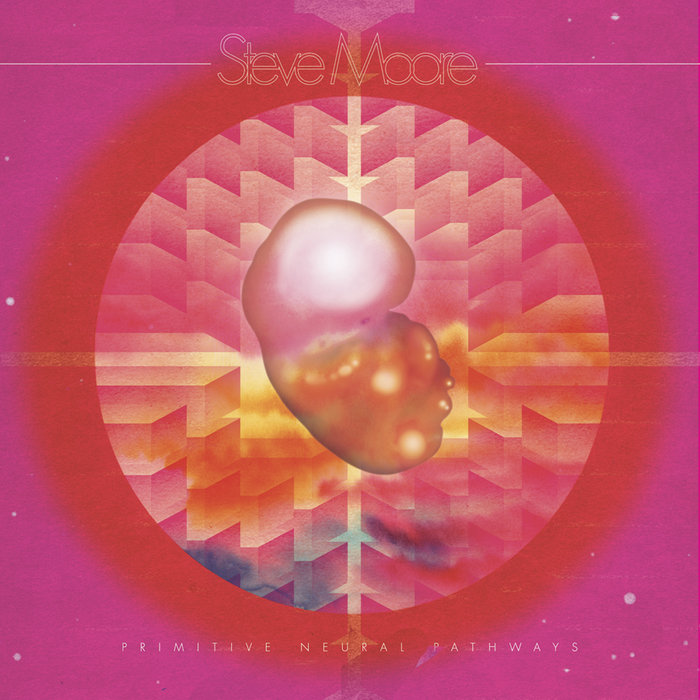
Steve Moore / Primitive Neural Pathways
Steve Moore lists a Univox SR-95 Super Rhythmer among the instruments used for Primitive Neural Pathways.
Read Primitive Neural Pathways ↗MESS Synthesiser Orchestra / Mat Watson / Magnitudes — planned live debut
Mat Watson’s instrument list for Magnitudes, the MESS Synthesiser Orchestra’s planned debut work, includes a Univox SR-95. He describes a performance in which the archive machines would be played live rather than sequenced.
Read Magnitudes: Behind-the-scenes of the MESS Synthesiser Orchestra’s live debut ↗Reported association
Moby / Reported Univox SR-95 video appearance
Equipboard indexes Moby with a Univox SR-95, describing an appearance at 3:12 in an unidentified YouTube video.
Read Univox SR-95 — artist-use index ↗Moby / Univox SR-95 collection sale
The Official Moby Reverb Shop listed a working Univox SR-95 with footswitch as part of Moby’s private drum-machine collection.
Read Univox SR-95 owned by Moby ↗Sources
- SR-95 Electronic Automatic Rhythm Instrument: Service Manual
- Lafayette 1977 catalogue: Univox SR-95 Super Rhythmer
- Omeganaut: I SATELLITE studio gear
- Thursday Gear Review: Univox SR-95
- R.E.M.: Nice Guys Still Finish First
- Univox
- Magnitudes: Behind-the-scenes of the MESS Synthesiser Orchestra’s live debut
- Univox SR-95 — artist-use index
- Primitive Neural Pathways
- Univox SR-95 owned by Moby
The visual archive
Further visual evidence.
Sources for images shown earlier (4)
- Univox SR-95 owned by Moby ↗
- Domotic — Univox ↗
- Steve Moore — Primitive Neural Pathways ↗
2011-08-09 · Steve Moore / release artwork via Bandcamp · Official Bandcamp release-page artwork (Open Graph image) - Analytica — Strategy of Tension ↗
2024-03-22T07:00:00Z · Analytica / release artwork via Apple Music catalog artwork · Release catalogue and retained front artwork
Additional visual sources (2)
Original publications and related image sources.
- SR-95 service manual ↗
Original cover bears 73 printing code · Unicord Incorporated · Original title, contents and pp.1–3 inspected - SR-95 retail photograph and offer ↗
1977 · Lafayette Radio Electronics · Printed p.56/PDF60 visually inspected