
Oberheim introduced the DMX in the early 1980s as a sampled-drum machine built for the working studio. Its pads, patterns and firm recorded sounds gave players an immediate way to put a solid rhythm section into an arrangement.Sources (44)
The machine in the record
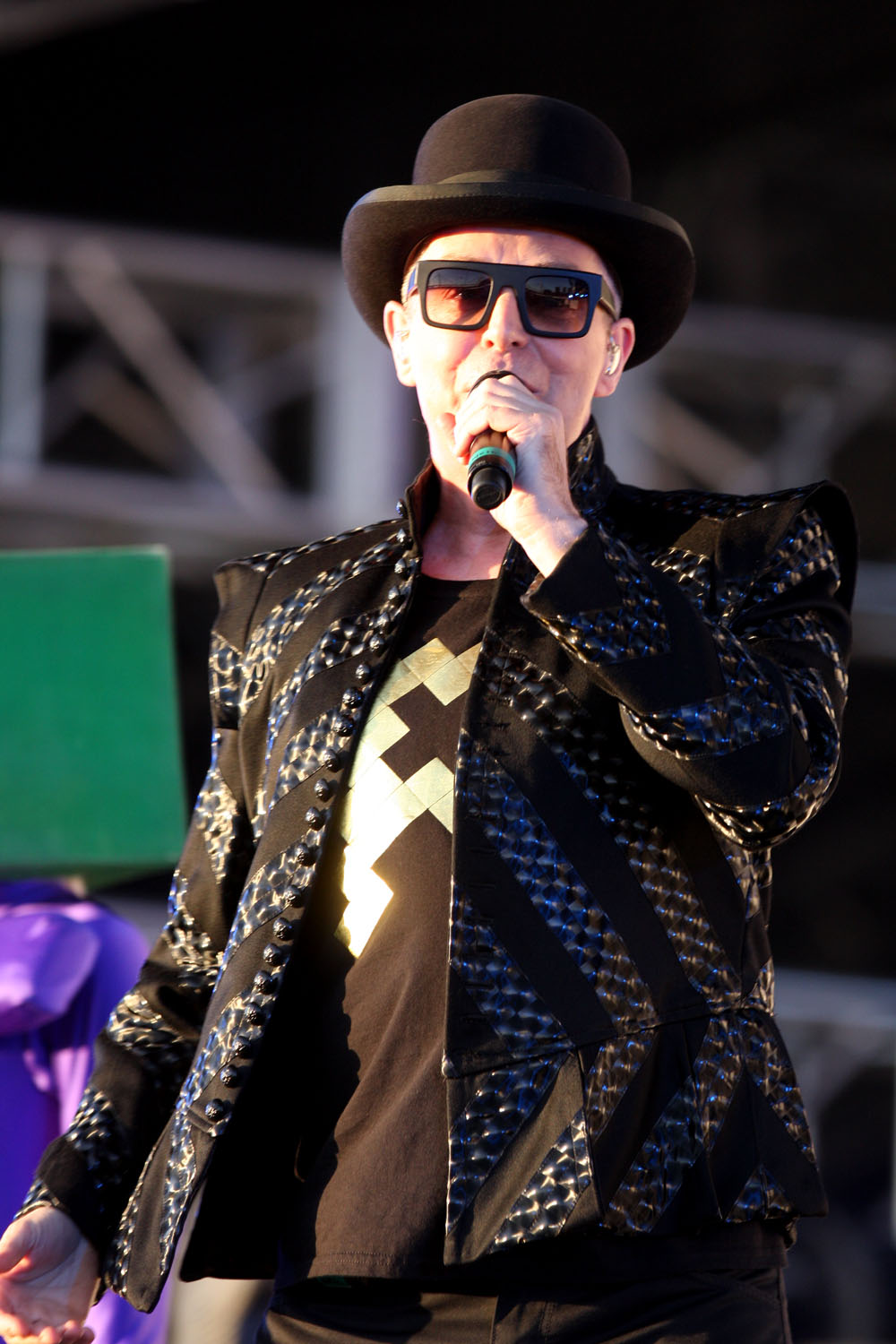
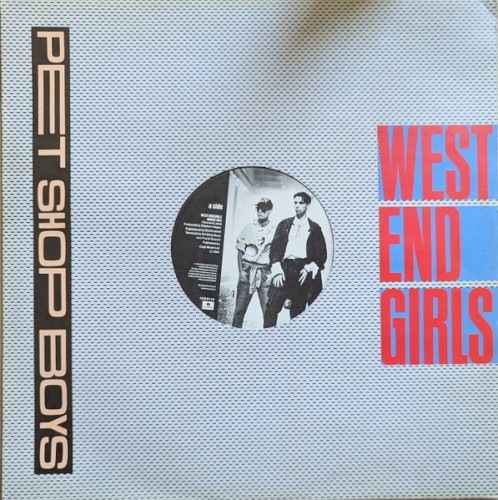
Pet Shop Boys / “West End Girls”.
Stephen Hague identifies the DMX drum tracks in his 1985 version of “West End Girls”, with sampler percussion performed separately. The scope is exact—the Hague version, not the earlier recording—and that precision makes the story stronger.
Read Track Record: West End Girls ↗More records in the archive
The machine keeps turning up.
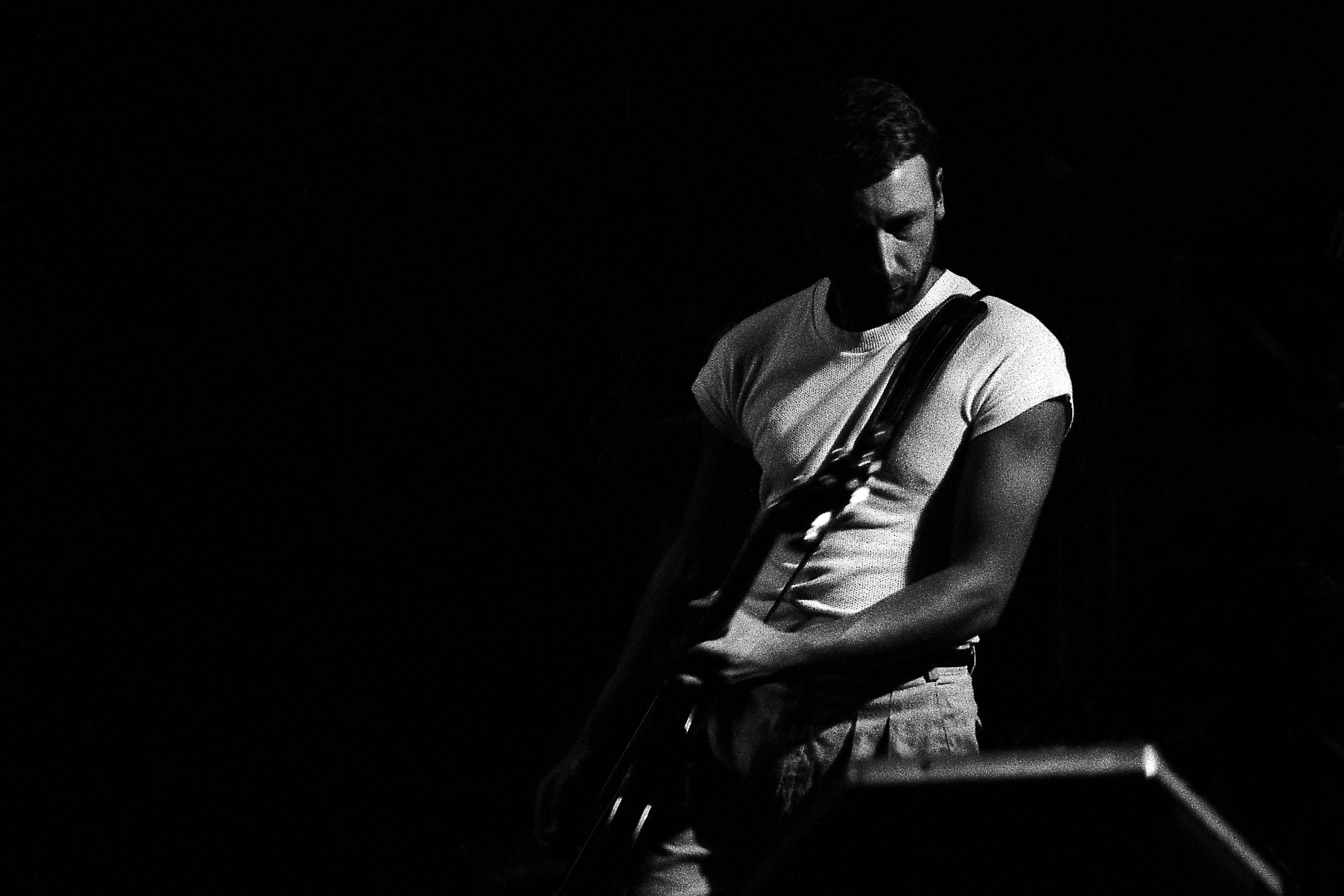
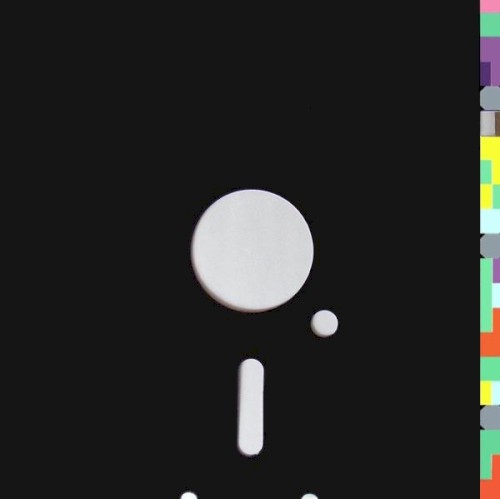
New Order / Blue Monday
Morris identifies DMX and strongest-level kick programming.
Read Stephen Morris Interview ↗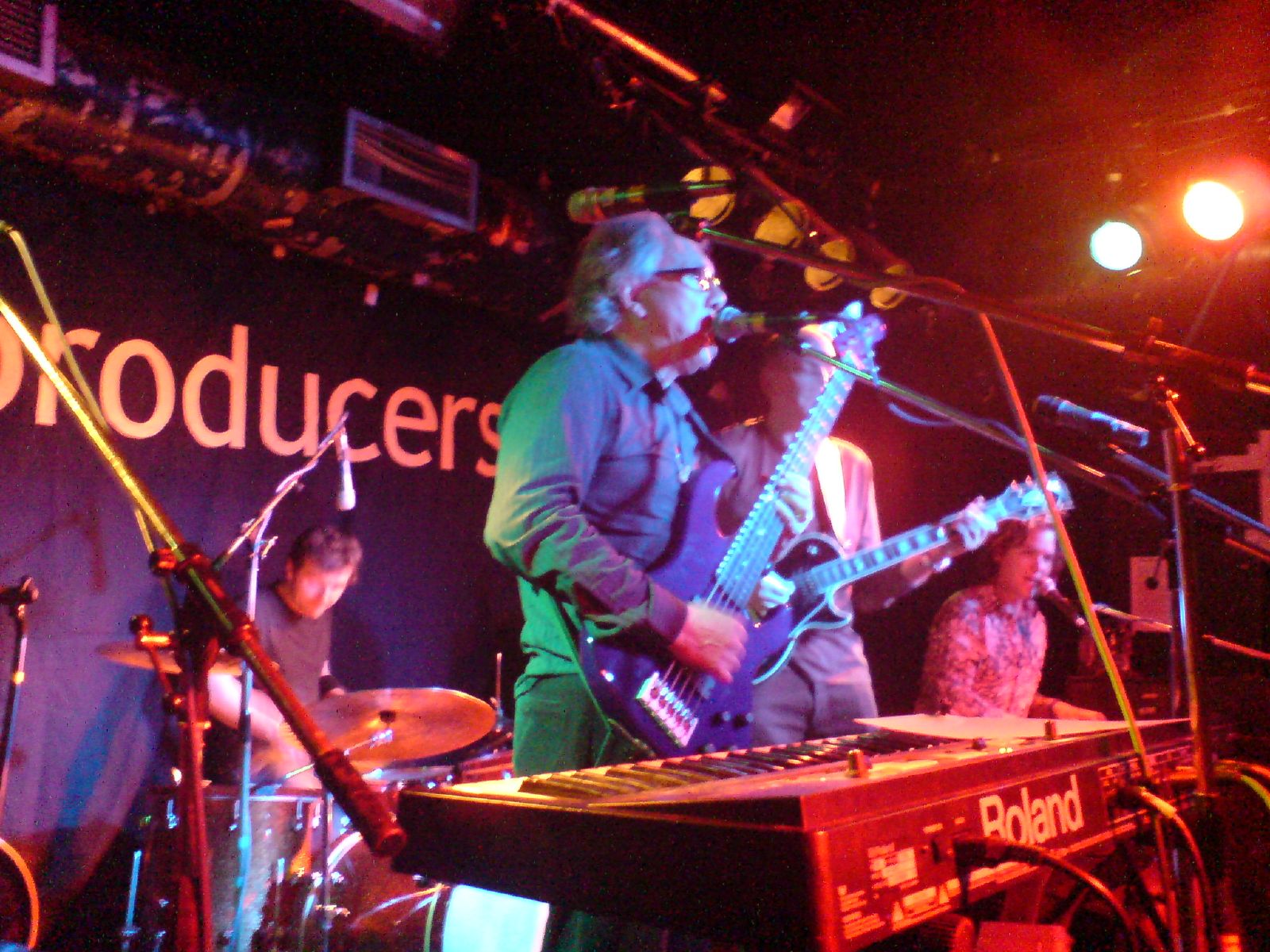
Trevor Horn / Propaganda / “Dr. Mabuse”
Trevor Horn recalls programming Propaganda’s “Dr. Mabuse” into an Oberheim DMX alongside a Linn 2, Fairlight and DSX, with the intention of performing the arrangement without recording it to tape.
Read Trevor Horn: Recording ABC, ZTT, Yes, & The Pet Shop Boys ↗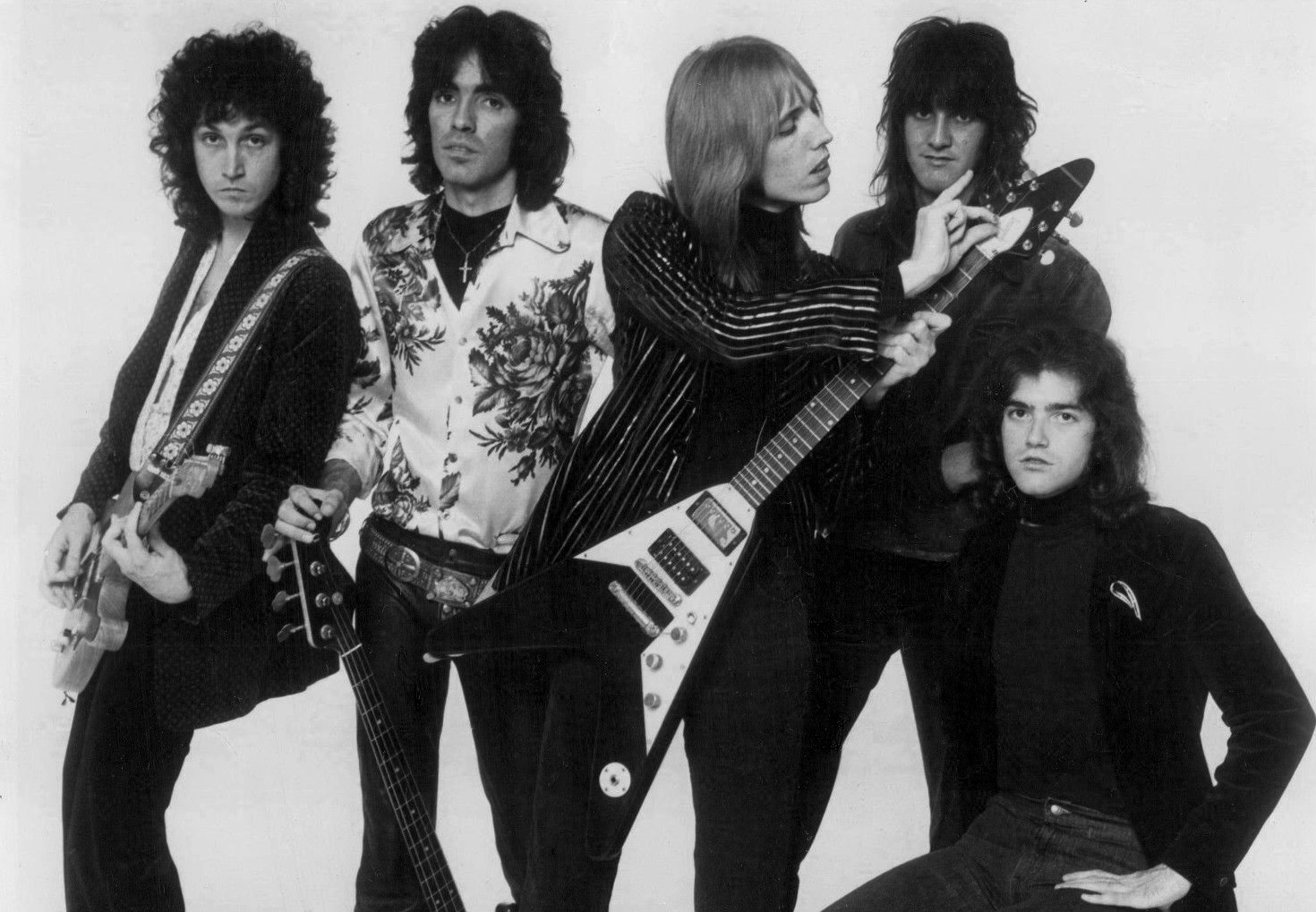
Tom Petty / Jeff Lynne / Into the Great Wide Open
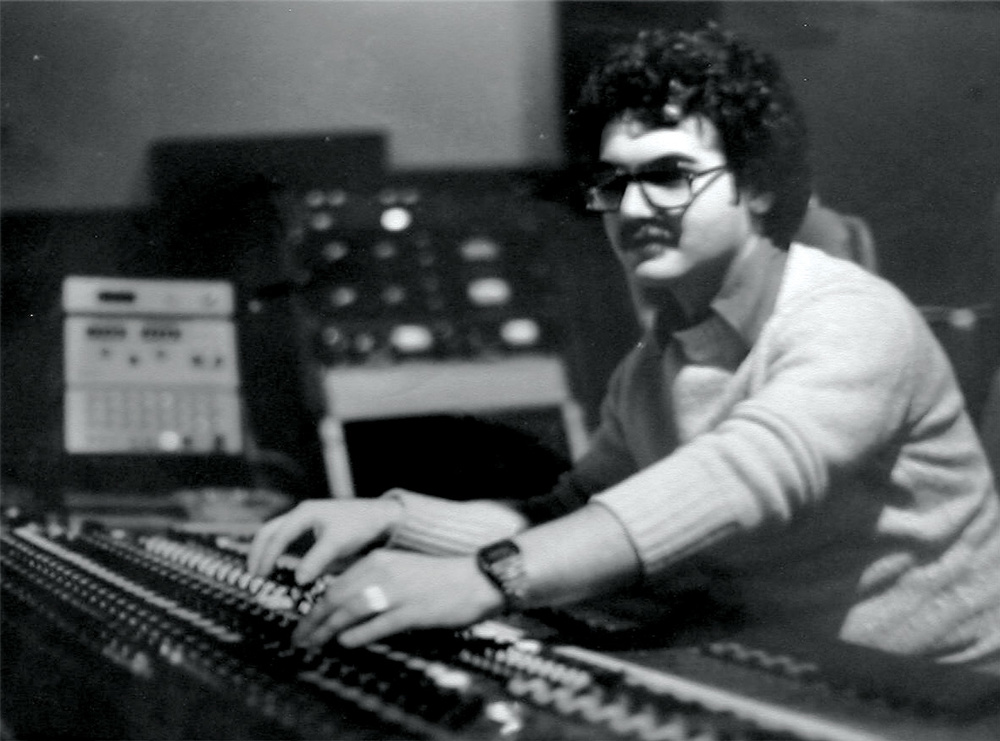
Engineer Richard Dodd says Into the Great Wide Open was made to a click built from an Oberheim DMX recorded to tape before overdubs, including the demo that became “Learning To Fly”.
Read Classic Tracks: Tom Petty’s “Learning To Fly” ↗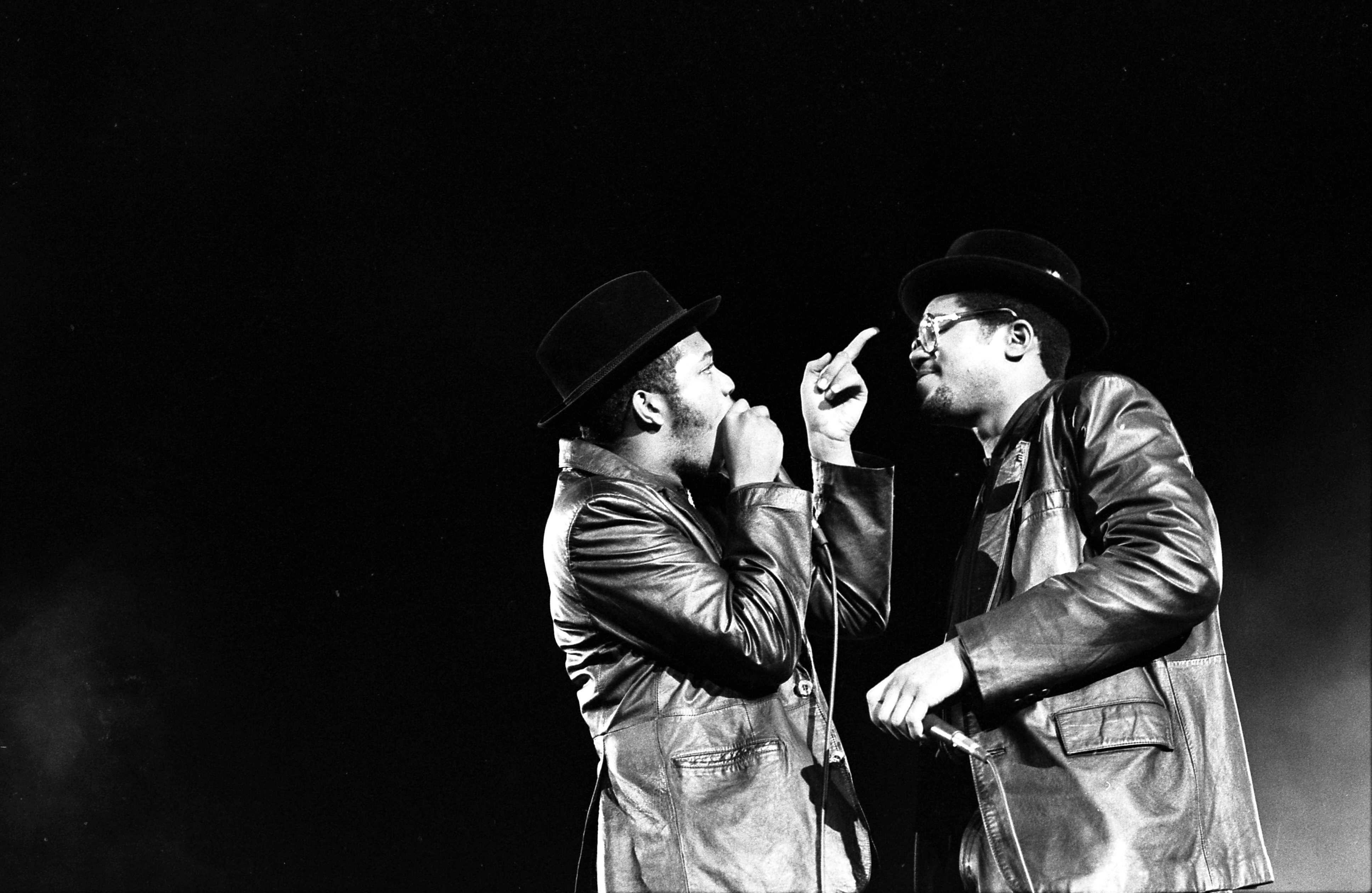
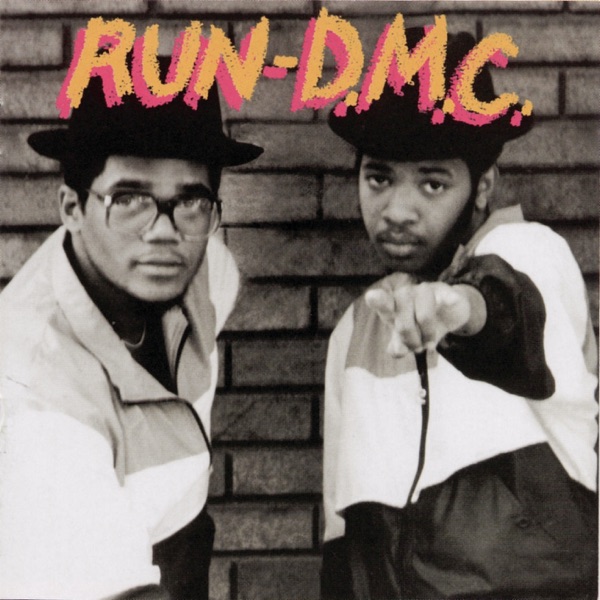
Run-D.M.C. / Sucker M.C.’s
Smith directly names Oberheim DMX and recalls retaining shop settings.
Read Larry Smith Q & A: January 2006 ↗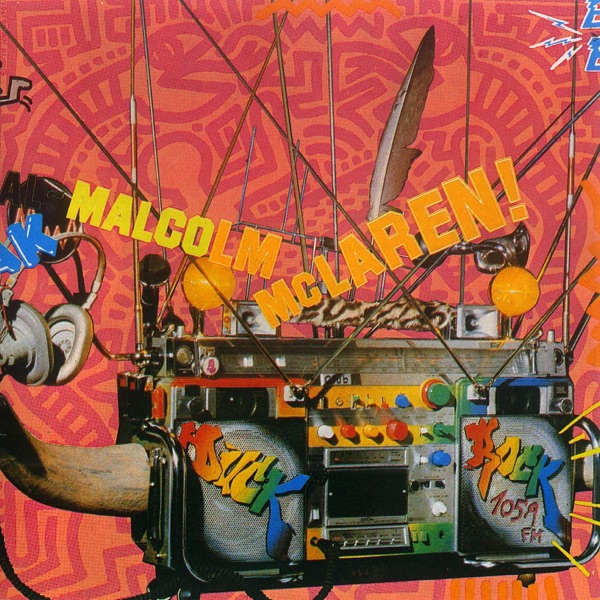
Malcolm McLaren and the World's Famous Supreme Team / Buffalo Gals
Horn identifies DMX/DSX foundation with Supreme Team scratching.
Read Trevor Horn: 25 Years Of Hits ↗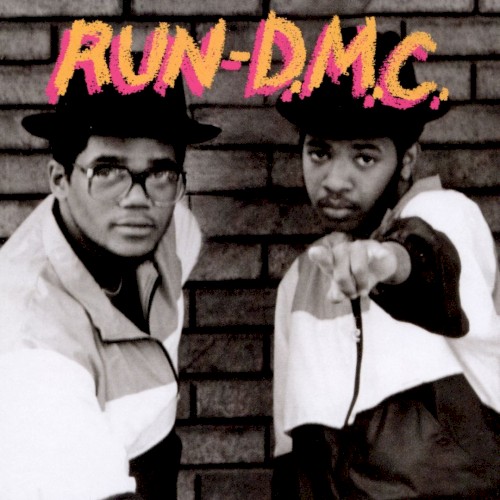
Run-D.M.C. / It’s Like That
Smith directly names original DMX and Prophet-5 for this recording.
Read Larry Smith Q & A: January 2006 ↗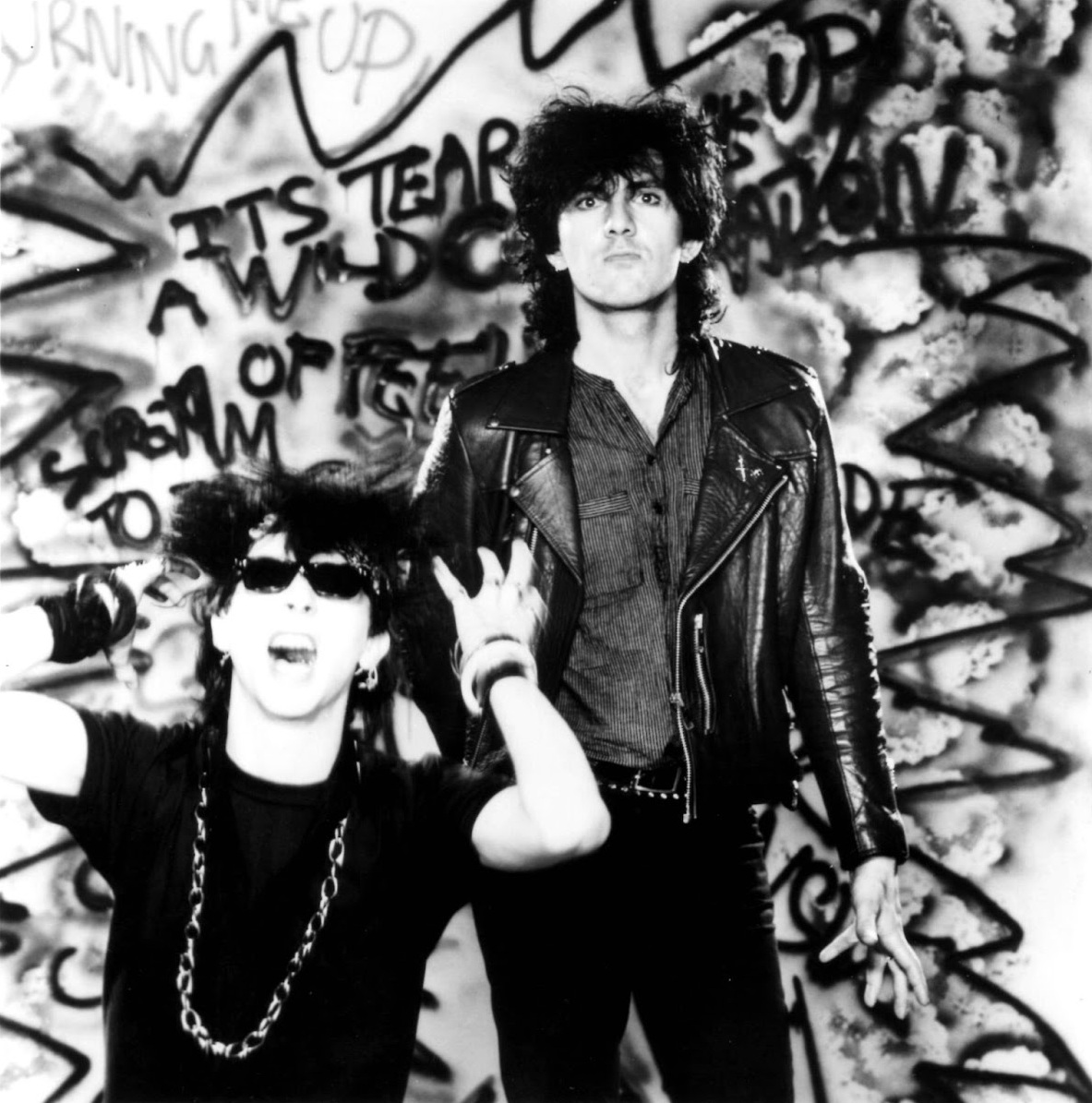
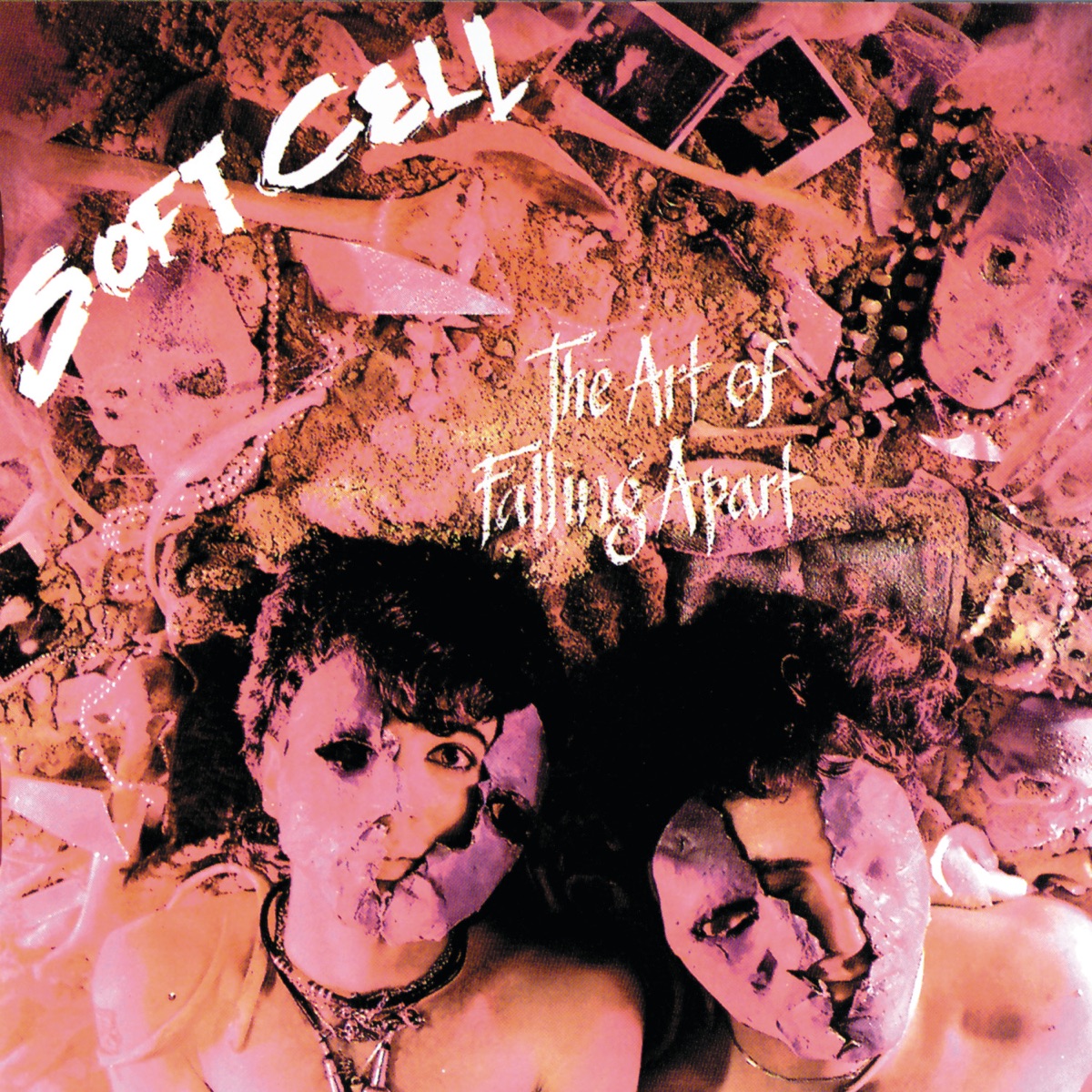
Soft Cell / The Art of Falling Apart
Ball names DMX among the recording machines.
Read Vintage Synth Trumps with Dave Ball ↗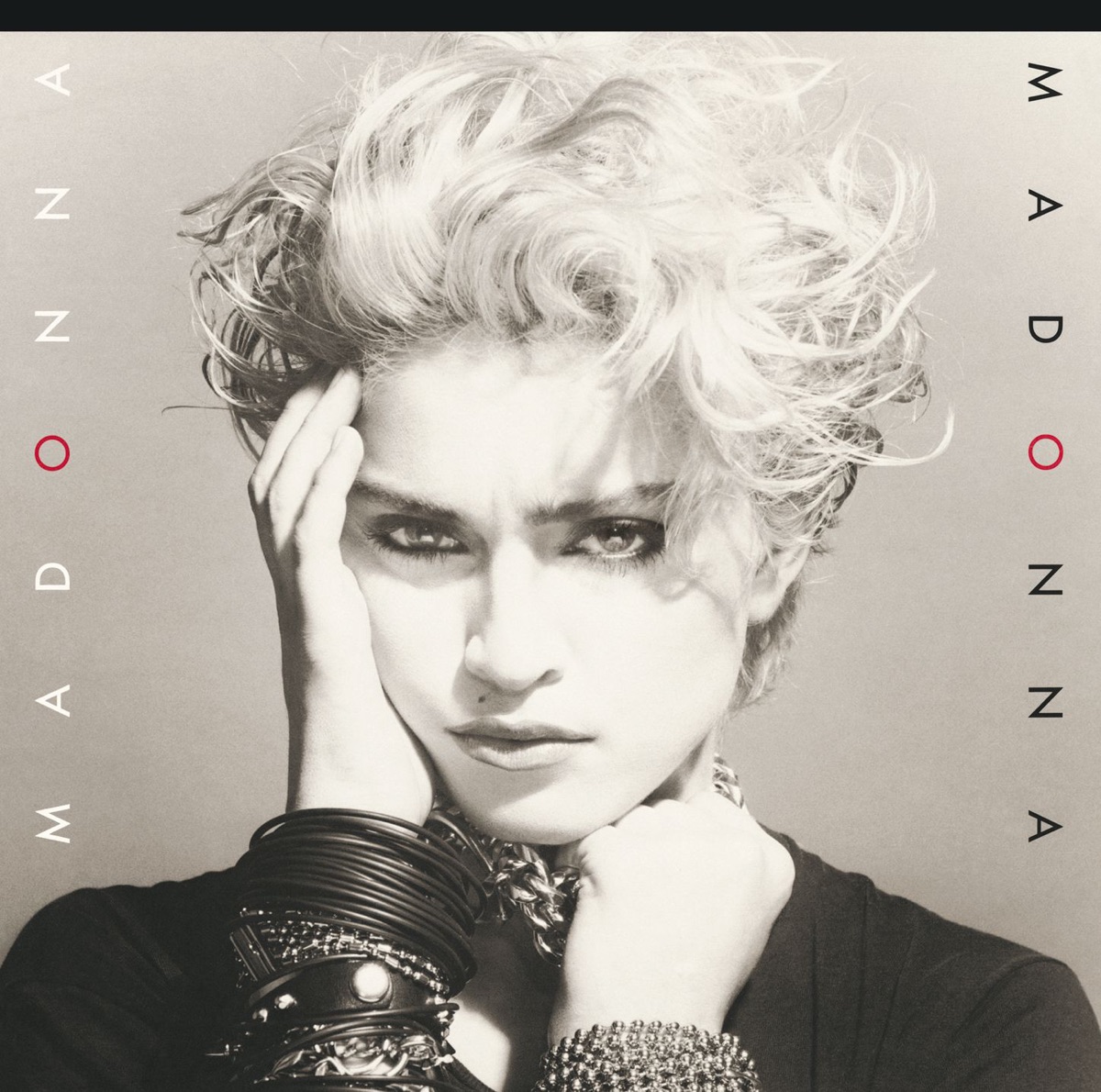
Madonna / Holiday
Zarr names DMX in the synchronized Oberheim setup used while arranging and programming Holiday.
Read How Madonna Became Madonna: An Oral History ↗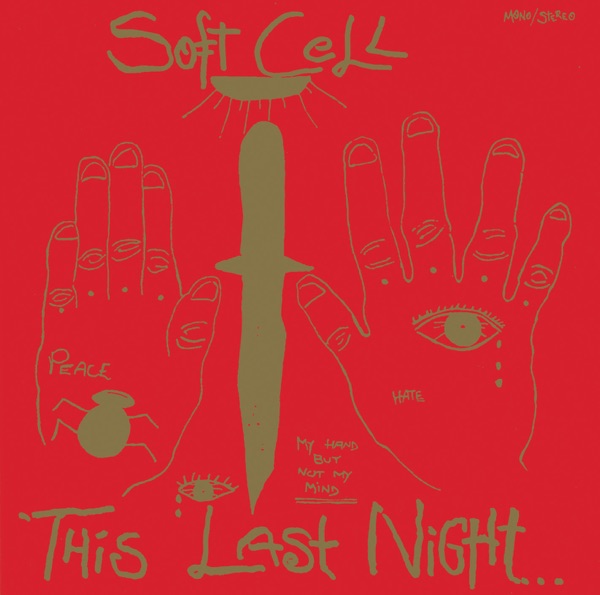
Soft Cell / This Last Night in Sodom
Ball identifies a PPG-and-DMX album setup.
Read Vintage Synth Trumps with Dave Ball ↗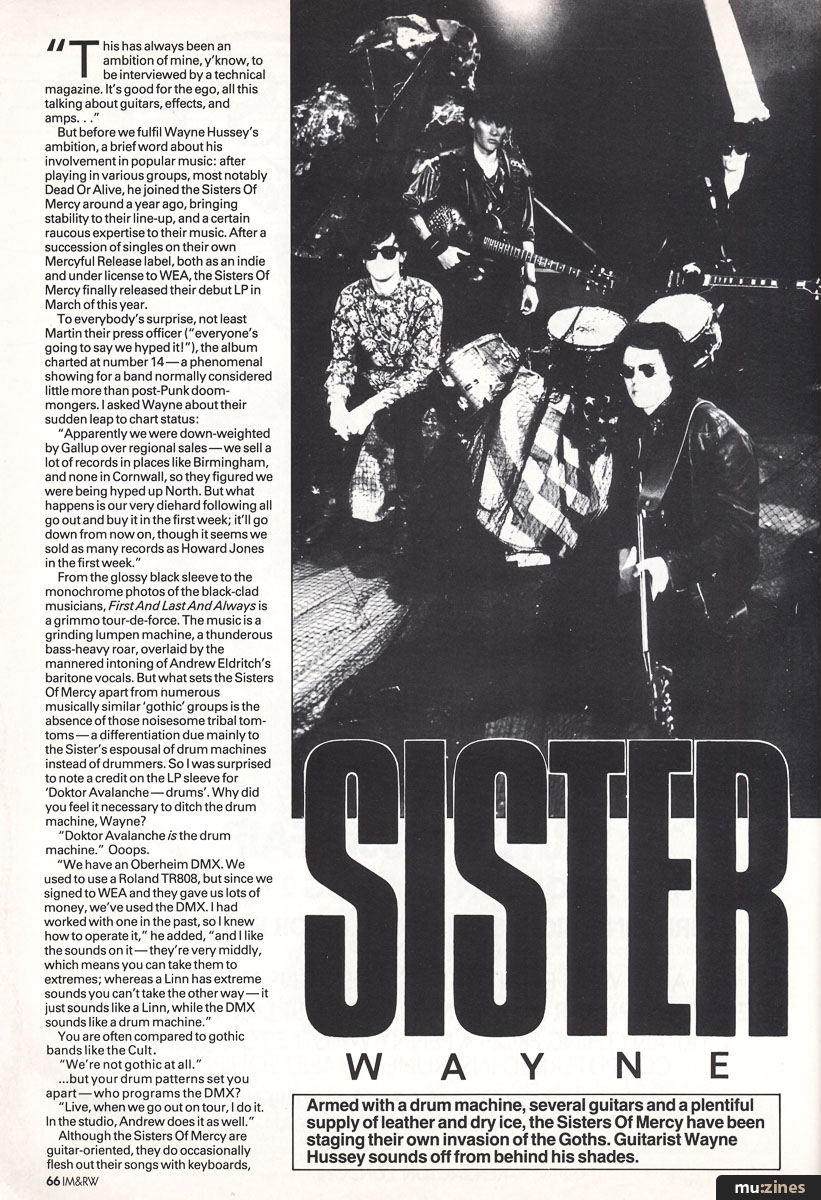
The Sisters of Mercy / First and Last and Always
Hussey says the group used the DMX on the album, with live programming by him and studio programming by Andrew Eldritch.
Read Sister Wayne ↗Stephen Morris / New Order / Blue Monday
Stephen Morris revisits the Oberheim DMX at the centre of Blue Monday, separating the familiar lost-beat story from what he remembers of the programming.
Read Stephen Morris — A Career in Gear ↗Reported association
The Police / Every Breath You Take
Producer interview describes an Oberheim drum-box kick.
Read Classic Tracks: The Police — Every Breath You Take ↗
Malcolm X / music by Keith LeBlanc / No Sell Out
Credits LeBlanc with Oberheim DMX alongside E-mu Drumulator.
Read Malcolm X – No Sell Out: artist catalogue credits ↗Reported association
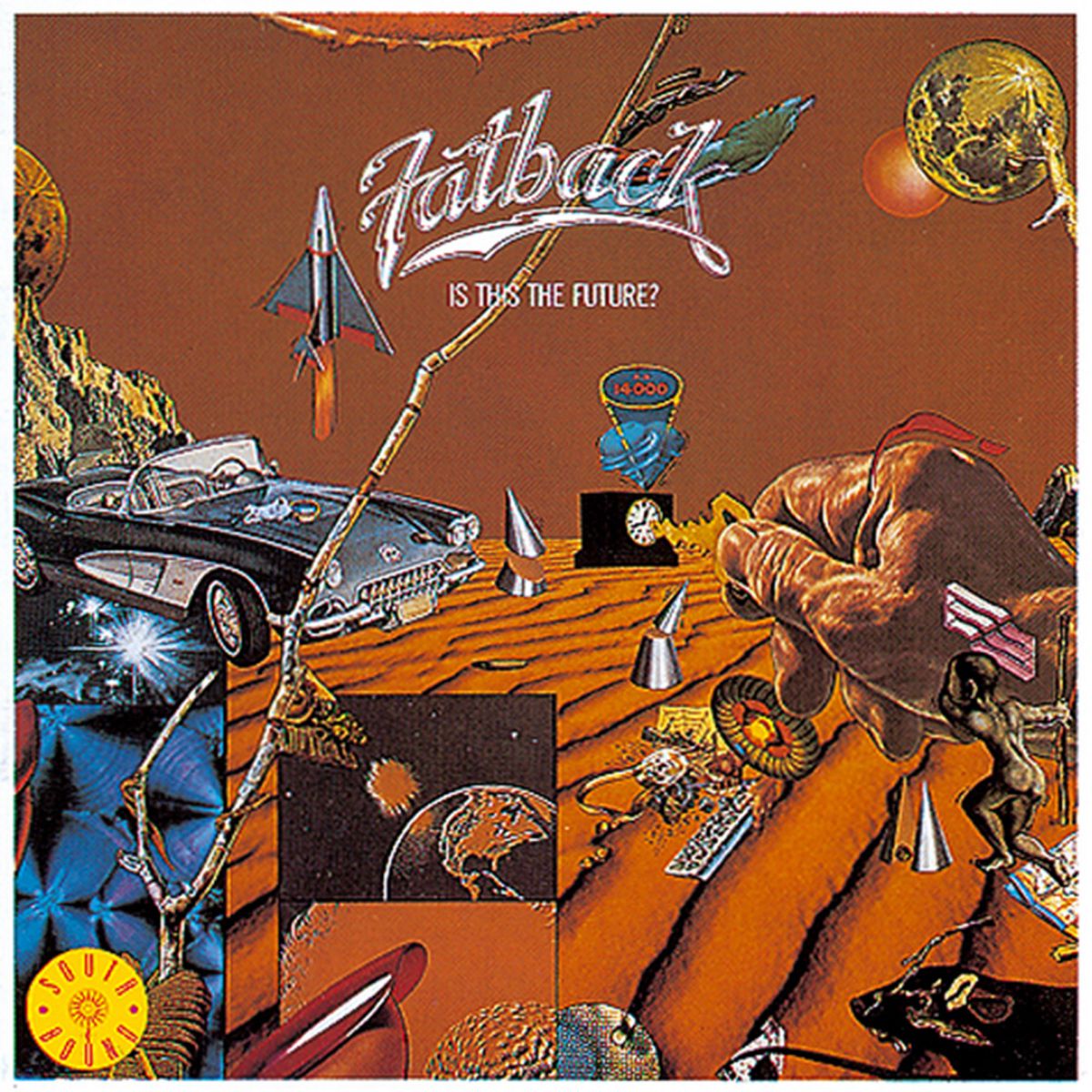
Fatback / Is This the Future? (album)
Contemporary review reports Curtis using Oberheim DMX in the context of this album; label retrospective explicitly associates the machine with it.
Read The Brass Bites Back: Fatback, Is This the Future? review, p.29 ↗Stewart Copeland / The Police / “Every Breath You Take” and solo work
A published report associates the Oberheim DMX kick with “Every Breath You Take” and says Copeland’s offered DMX appeared on solo projects.
Read Find of the Week: Stewart Copeland’s Oberheim DMX ↗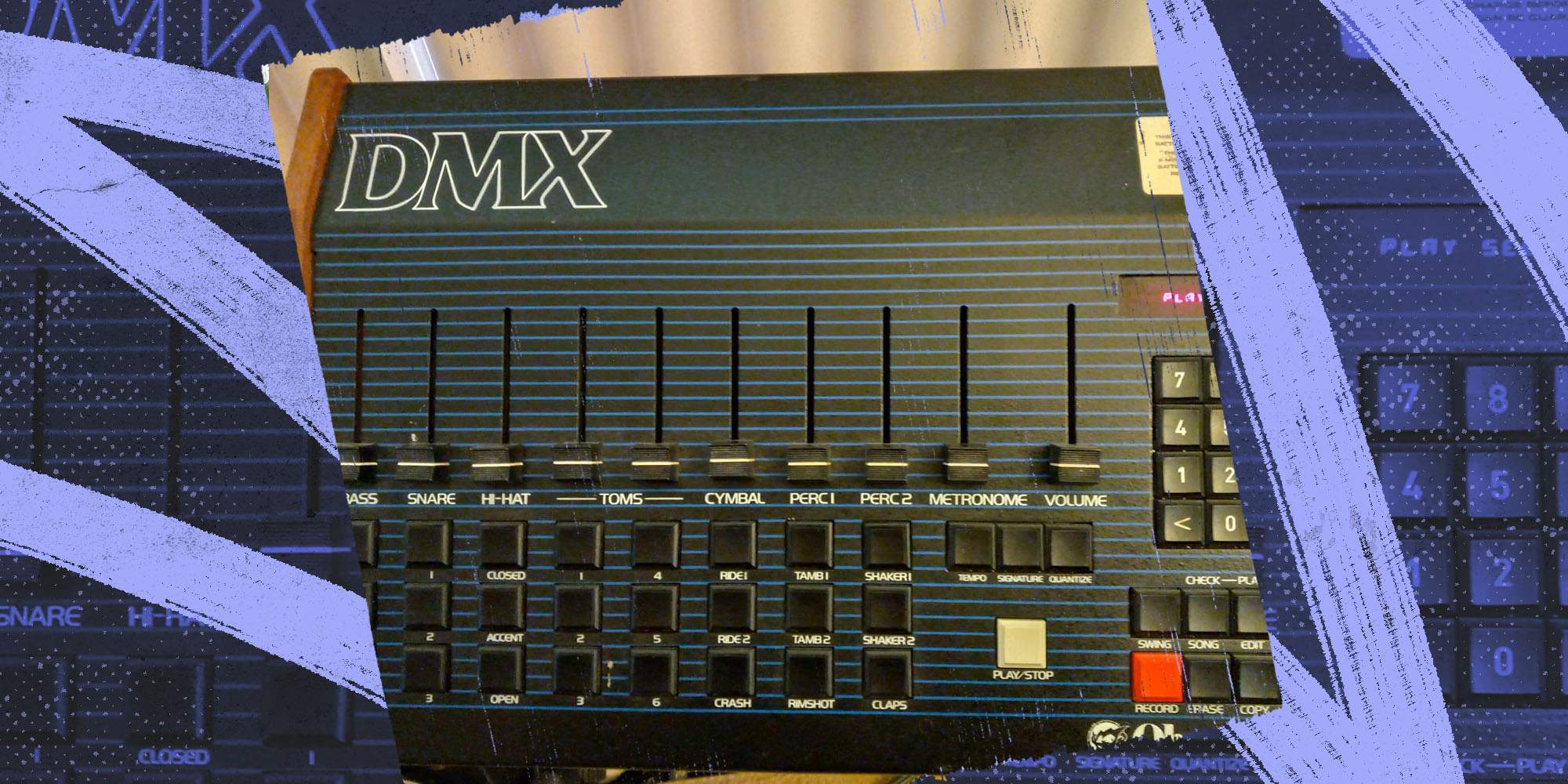
Stewart Copeland / The Police / 1983 working setup
A contemporary studio profile places an Oberheim DMX in Stewart Copeland’s electronic-percussion setup.
Read Stewart Copeland, Home & Studio Recording December 1983 ↗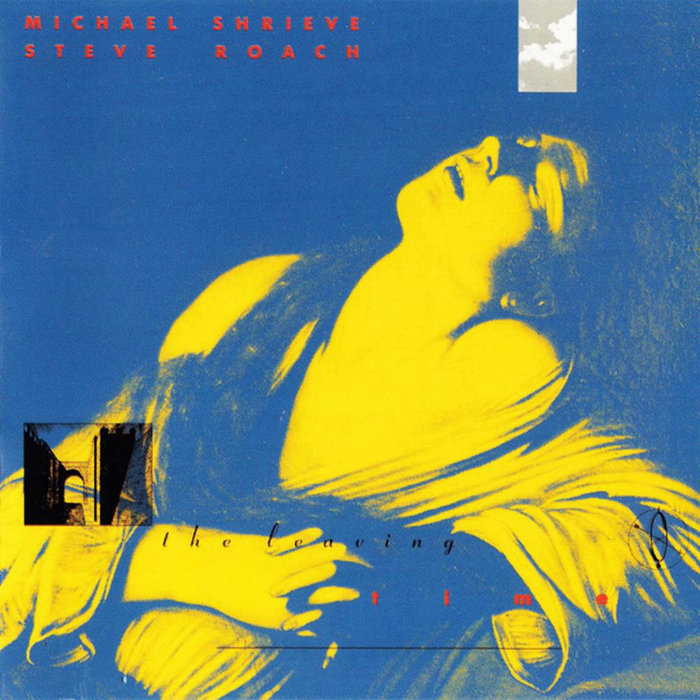
Steve Roach / Michael Shrieve / The Leaving Time
Steve Roach’s release note credits his DMX drum programming within the Oberheim system used for The Leaving Time.
Read Steve Roach / The Leaving Time ↗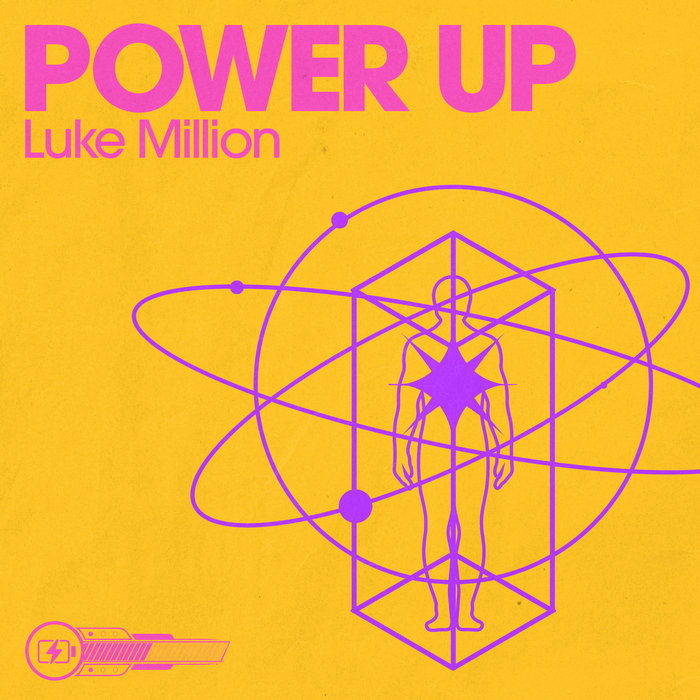
Luke Million / Power Up
Luke Million identifies the Oberheim DMX as the driving beat on “Power Up”, chosen for the particular punch he wanted from the track.
Read Luke Million / Power Up ↗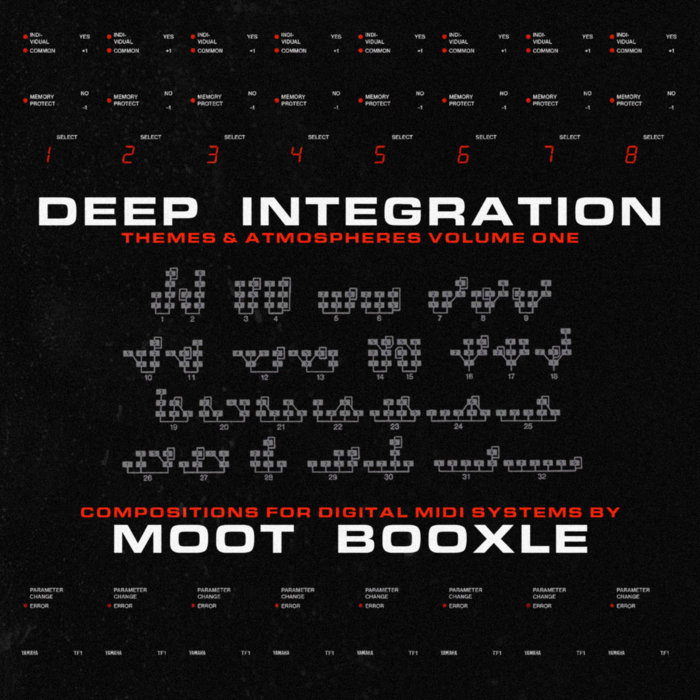
Sarama Miraz / Gary Miraz / Sound and Mirrors
The Sound and Mirrors credits list Gary Miraz on an Oberheim DMX alongside his synthesizers and samplers.
Read Sarama Miraz — Sound and Mirrors ↗mmWave / Plastic Crosstalk
mmWave writes that an Oberheim DMX was used on every track of Plastic Crosstalk.
Read mmWave — Plastic Crosstalk ↗Pleasure Victim / Cosmic Dance
Pleasure Victim’s liner note for “Cosmic Dance” says the track used an Oberheim DMX.
Read Pleasure Victim — Hot Singles ('20-23) ↗Moot Booxlé / Deep Integration
Moot Booxlé’s track notes credit an Oberheim DMX for drums on “Seq 2”.
Read Moot Booxlé — Deep Integration ↗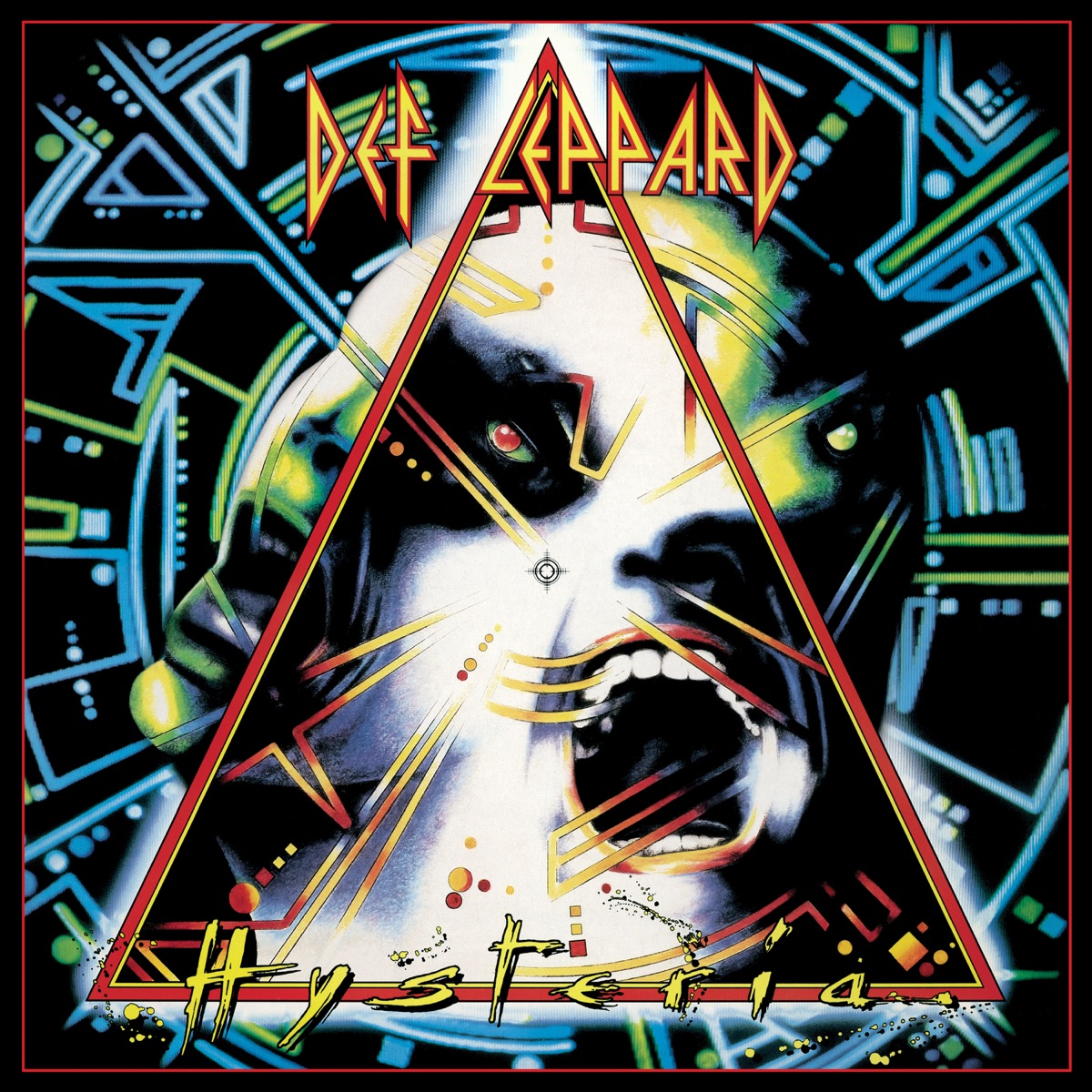
Def Leppard / Hysteria writing demos
Joe Elliott recalls Def Leppard writing early Hysteria material in Dublin with Fostex four-tracks and Oberheim DMX drum machines.
Read MusicRadar / Def Leppard’s Hysteria writing history ↗
Virgil Work Jr. / Ease Into It
Virgil Work Jr.’s track equipment list names an Oberheim DMX drum machine.
Read Virgil Work Jr. — Ease Into It ↗
Paradise Is a Frequency / The Style of Life
Paradise Is a Frequency list the Oberheim DMX drum machine in the record’s instrumentation.
Read Paradise Is a Frequency / The Style of Life ↗
Ana Frango Elétrico / Me Chama De Gato Que Eu Sou Sua
Sérgio Machado is credited with Oberheim DMX on two tracks from Ana Frango Elétrico’s Me Chama De Gato Que Eu Sou Sua.
Read Ana Frango Elétrico — Me Chama De Gato Que Eu Sou Sua ↗
Telan Devik / Retro Illuminated / Attack of the Synthians
The release’s drum-sample inventory includes a Oberheim DMX.
Read Telan Devik — Retro Illuminated / Attack of the Synthians ↗
Hunter Complex / Lars Meijer / Dead Calm and Zero Degrees
Hunter Complex credits an Oberheim DMX on tracks a2, a3 and b5.
Read Hunter Complex — Dead Calm and Zero Degrees ↗New Order / Blue Monday
Morris identifies DMX and strongest-level kick programming.
Read Stephen Morris Interview ↗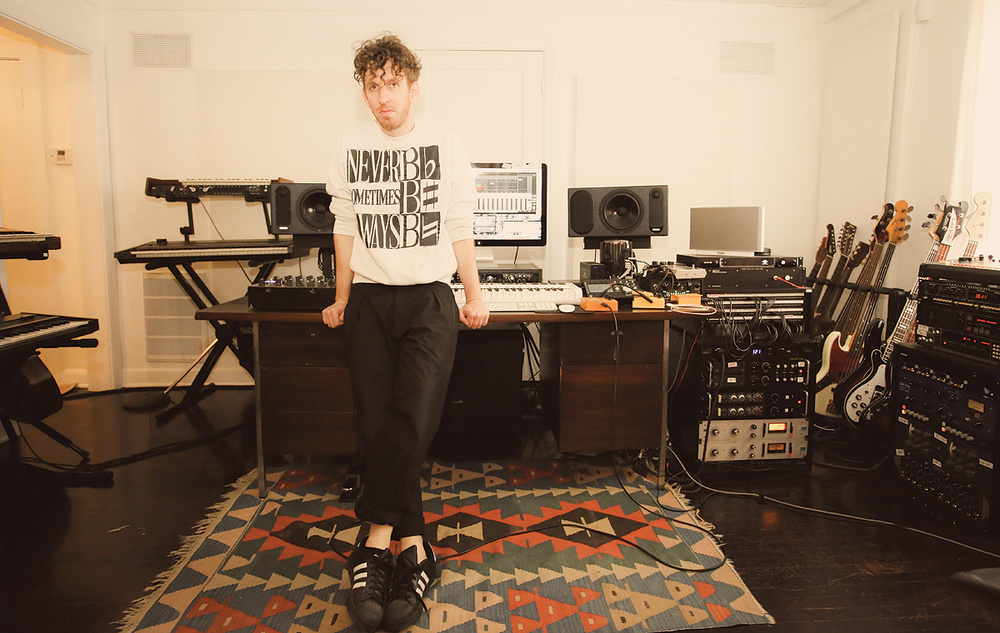
Ariel Rechtshaid / Studio practice
Rechtshaid names an Oberheim DMX among the hardware drum machines he sequences when a project allows him to work outside the computer.
Read Ariel Rechtshaid: Producer and musician ↗Recorded drums with a working surface
The DMX arrived as drum machines were moving from electronic approximations toward recorded percussion. Its owner manual sets out a hands-on system of patterns, songs, overdubbing, quantisation and swing, while the 1983 Oberheim advertisement places it at the centre of a wider connected setup. The point was practical: build a part, adjust it and keep the music moving.
A machine designed to stay in the arrangement
The DMX could be shaped through tempo, erase modes, memory protection and step entry, giving a programmer several ways to move from an idea into a finished sequence. Its physical controls mattered as much as its samples. They let a rhythm feel like something a player did with the machine rather than something a menu generated at a distance.Sources (2)
Documented in early-1980s records
Contemporary accounts and participant testimony place the DMX in specific productions and studio worlds, including Larry Smith’s work with Run-D.M.C. and the early electronic transition around Fatback. These sources keep the history grounded in named uses and documented working contexts rather than turning the DMX into a catch-all symbol for the decade.
A drum machine in the band
Wayne Hussey called Doktor Avalanche the Sisters of Mercy’s drum machine. In 1985 he said the group had replaced its TR-808 with a DMX and used the DMX on First and Last and Always, programming it live and with Andrew Eldritch in the studio.Source (1)
A machine that crossed the room
The DMX did not belong to one scene. Stephen Morris recalls programming a maximum-strength kick for New Order’s “Blue Monday”; Larry Smith names the same machine on Run-D.M.C.’s “Sucker M.C.’s” and “It’s Like That”; and Andrew Hussey describes it as the working drum machine behind First and Last and Always. Those are different records with different disciplines, but together they explain why the DMX reads less like a period accessory than a shared studio language.
From “Buffalo Gals” to “West End Girls”
Trevor Horn recalls building “Buffalo Gals” on DMX and DSX foundations beneath the World’s Famous Supreme Team’s scratching. David Jacobs places DMX drum tracks in Stephen Hague’s re-recording of Pet Shop Boys’ “West End Girls”, while Dave Ball names the machine among Soft Cell’s recording tools. Those are distinct rooms and records, joined by a machine that could hold a pop arrangement together without announcing its method.
A sampled drum machine becomes a cast of characters
Stephen Morris recalls the DMX behind “Blue Monday”; David Jacobs identifies DMX drum tracks on the Stephen Hague recording of “West End Girls”; Larry Smith names the original machine on Run-D.M.C.’s “Sucker M.C.’s” and “It’s Like That”. Trevor Horn then places DMX and DSX beneath “Buffalo Gals”. The detail that matters is the range: the same sampled box carries synth-pop, early rap and a hip-hop record built around scratching.
The DMX inside a larger studio
Fred Zarr identifies an Oberheim system including DMX and DSX in the “Holiday” setup; Dave Ball names a DMX among Soft Cell’s recording machines; Wayne Hussey remembers the Sisters of Mercy moving from a TR-808 to DMX. Each account puts the machine in a system rather than making it the whole record.
A DMX and a political record
Keith LeBlanc’s artist catalogue credits an Oberheim DMX beside an E-mu Drumulator on Malcolm X’s “No Sell Out”. It is a retrospective equipment credit, not a sound-by-sound reconstruction, but it places the DMX in another early-1980s production language: spoken-word collage, programmed rhythm and the independent studio.Source (1)
Fatback’s reported DMX
A contemporary review of Fatback’s Is This the Future? reports Bill Curtis using an Oberheim DMX, a connection later repeated by the reissue label. It is an album-level attribution, so the page does not treat it as a track map. It does show how quickly the machine moved into funk as well as pop and hip-hop.Source (1)
In the market
- 1983-08: USD 2895 — Manufacturer advertisement: suggested retail. DMX; separate product price in System advertisement Source ↗
- 1982-06: USD 2895 — US review price. Reviewed instrument; options unspecified Source ↗
- 1984-01: GBP 1995 — UK current price reported in system overview. DMX; article acknowledges London Rock Shop demonstration Source ↗
- 1982-07: GBP 1650 — UK buyers-guide price through Argent’s. Standard model; package not specified Source ↗
- 1985-07: GBP 2975 — UK checklist indicative retail price. Instrument as listed; options not separately specified; dealer prices may be lower Source ↗
- 1986-01: GBP 2975 — UK checklist indicative retail price. Instrument as listed; options not separately specified; dealer prices may be lower Source ↗
- 1983-10: USD 2895 — Manufacturer suggested retail price in US magazine advertisement. DMX Digital Drum Machine; adjacent DSX price is a different product Source ↗
On record
- New Order — Blue Monday. Morris identifies DMX and strongest-level kick programming. Source ↗
- Pet Shop Boys — West End Girls — Stephen Hague re-recording. DMX drum tracks; separately performed sampler percussion. Source ↗
- The Police — Every Breath You Take. Producer interview describes an Oberheim drum-box kick. Source ↗
- Run-D.M.C. — Sucker M.C.’s. Smith directly names Oberheim DMX and recalls retaining shop settings. Source ↗
- Run-D.M.C. — It’s Like That. Smith directly names original DMX and Prophet-5 for this recording. Source ↗
- Malcolm McLaren and the World's Famous Supreme Team — Buffalo Gals. Horn identifies DMX/DSX foundation with Supreme Team scratching. Source ↗
- Soft Cell — The Art of Falling Apart. Ball names DMX among the recording machines. Source ↗
- Soft Cell — This Last Night in Sodom. Ball identifies a PPG-and-DMX album setup. Source ↗
- Madonna — Holiday. Zarr names DMX in the synchronized Oberheim setup used while arranging and programming Holiday. Source ↗
- Malcolm X / music by Keith LeBlanc — No Sell Out. Credits LeBlanc with Oberheim DMX alongside E-mu Drumulator. Source ↗
- Fatback — Is This the Future? (album). Contemporary review reports Curtis using Oberheim DMX in the context of this album; label retrospective explicitly associates the machine with it. Source ↗
- The Sisters of Mercy — First and Last and Always. Hussey says the group used the DMX on the album, with live programming by him and studio programming by Andrew Eldritch. Source ↗
- Stewart Copeland / The Police — “Every Breath You Take” and solo work. A published report associates the Oberheim DMX kick with “Every Breath You Take” and says Copeland’s offered DMX appeared on solo projects. Source ↗
- Stephen Morris / New Order — Blue Monday. Stephen Morris revisits the Oberheim DMX at the centre of Blue Monday, separating the familiar lost-beat story from what he remembers of the programming. Source ↗
- Steve Roach / Michael Shrieve — The Leaving Time. Steve Roach’s release note credits his DMX drum programming within the Oberheim system used for The Leaving Time. Source ↗
- Luke Million — Power Up. Luke Million identifies the Oberheim DMX as the driving beat on “Power Up”, chosen for the particular punch he wanted from the track. Source ↗
- Sarama Miraz / Gary Miraz — Sound and Mirrors. The Sound and Mirrors credits list Gary Miraz on an Oberheim DMX alongside his synthesizers and samplers. Source ↗
- mmWave — Plastic Crosstalk. mmWave writes that an Oberheim DMX was used on every track of Plastic Crosstalk. Source ↗
- Pleasure Victim — Cosmic Dance. Pleasure Victim’s liner note for “Cosmic Dance” says the track used an Oberheim DMX. Source ↗
- Moot Booxlé — Deep Integration. Moot Booxlé’s track notes credit an Oberheim DMX for drums on “Seq 2”. Source ↗
- Def Leppard — Hysteria writing demos. Joe Elliott recalls Def Leppard writing early Hysteria material in Dublin with Fostex four-tracks and Oberheim DMX drum machines. Source ↗
- Virgil Work Jr. — Ease Into It. Virgil Work Jr.’s track equipment list names an Oberheim DMX drum machine. Source ↗
- Paradise Is a Frequency — The Style of Life. Paradise Is a Frequency list the Oberheim DMX drum machine in the record’s instrumentation. Source ↗
- Ana Frango Elétrico — Me Chama De Gato Que Eu Sou Sua. Sérgio Machado is credited with Oberheim DMX on two tracks from Ana Frango Elétrico’s Me Chama De Gato Que Eu Sou Sua. Source ↗
- Telan Devik — Retro Illuminated / Attack of the Synthians. The release’s drum-sample inventory includes a Oberheim DMX. Source ↗
- Hunter Complex / Lars Meijer — Dead Calm and Zero Degrees. Hunter Complex credits an Oberheim DMX on tracks a2, a3 and b5. Source ↗
In the studio and on stage
- Stewart Copeland / The Police — 1983 working setup. A contemporary studio profile places an Oberheim DMX in Stewart Copeland’s electronic-percussion setup. Source ↗
- Ariel Rechtshaid — Studio practice. Rechtshaid names an Oberheim DMX among the hardware drum machines he sequences when a project allows him to work outside the computer.
Sources
- DMX Owner’s Manual, third edition
- The Oberheim System advertisement
- DMX and DSX advertisement finding aid
- Product History: DMX
- DMX Service Manual
- Innovation Driver: Interview with Marcus Ryle
- DMX Revision 4 Owner’s Manual Addendum: MIDI / Memory Expansion
- Programmable Rhythm Machines, part 2
- Stephen Morris Interview
- Stephen Morris — A Career in Gear
- Recreating New Order's Blue Monday Live
- Track Record: West End Girls
- West End girls — official single discography
- Classic Tracks: The Police — Every Breath You Take
- Larry Smith Q & A: January 2006
- John Who? — first Run-D.M.C. mention, reproduced in Village Voice archive
- The Oberheim DMX — voice cards and memory expansion advertisement
- The DMX Files — dated development and repair news
- Trevor Horn: 25 Years Of Hits
- Buffalo Gals: Official Singles Chart history
- Trevor Horn: Recording ABC, ZTT, Yes, & The Pet Shop Boys
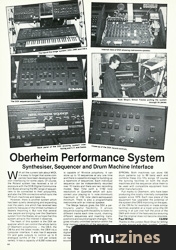
- Oberheim Performance System
- Oberheim DX
- Vintage Synth Trumps with Dave Ball
- Making hits in the 80s with Madonna and Debbie Gibson
- Interview: Curtis Hudson & Lisa Stevens, Songwriters of Madonna’s Holiday (Part 1)
- How Madonna Became Madonna: An Oral History
- Holiday — official discography
- Madonna — official album discography
- Drum Machines Buyers Guide
- Drummers’ Delight: Keith LeBlanc
- Malcolm X – No Sell Out: artist catalogue credits
- No Sell Out: Tommy Boy TB840 A/B label photographs
- Jim Aikin April1983 Keyboard System review: excerpts reproduced by Retro Synth Ads
- Doctor Click: Rhythm Controller
- Electronic Percussion Checklist
- Electronic Percussion checklist
- The Oberheim System advertisement, Musician October1983, PDF p9
- Stewart Copeland, Home & Studio Recording December 1983
- The Brass Bites Back: Fatback, Is This the Future? review, p.29
- Fitzroy speaks with Bill Curtis of The Fatback Band In 2012
- Fatback: The Last Of The Great Dance Bands
- Is This The Future? — Southbound CDSEWM 058
- Sister Wayne
The visual archive
Further visual evidence.
These displayed records are labelled by their documented role, date and source; source-only records are listed separately below.
Sources for images shown earlier (28)
- Oberheim Performance System, E&MM January 1984 p.44 ↗
- Stewart Copeland’s Oberheim DMX ↗
- Sisters of Mercy / Wayne Hussey — “Sister Wayne” ↗
- Richard Dodd at London’s Marquee Studios, 1977 ↗
- Malcolm X / music by Keith LeBlanc — No Sell Out ↗
1983-10-14 · Malcolm X / music by Keith LeBlanc / release artwork via Bandcamp · Official Bandcamp release-page artwork (Open Graph image) - Steve Roach / Michael Shrieve — The Leaving Time ↗
Release date not stated on source page · Steve Roach / Michael Shrieve / release artwork via Bandcamp · Official Bandcamp release-page artwork (Open Graph image) - Luke Million — Power Up ↗
Release date not stated on source page · Luke Million / release artwork via Bandcamp · Official Bandcamp release-page artwork (Open Graph image) - Moot Booxlé — Deep Integration ↗
Release date not stated on source page · Moot Booxlé / release artwork via Bandcamp · Official Bandcamp release-page artwork (Open Graph image) - Virgil Work Jr. — Ease Into It ↗
2024-08-30 · Virgil Work Jr. / release artwork via Bandcamp · Official Bandcamp release-page artwork (Open Graph image) - Paradise Is a Frequency — The Style of Life ↗
2024-12-06 · Paradise Is a Frequency / release artwork via Bandcamp · Official Bandcamp release-page artwork (Open Graph image) - Ana Frango Elétrico — Me Chama De Gato Que Eu Sou Sua ↗
2023-10-20 · Ana Frango Elétrico / release artwork via Bandcamp · Official Bandcamp release-page artwork (Open Graph image) - Telan Devik — Retro Illuminated / Attack of the Synthians ↗
2016-07-29 · Telan Devik / release artwork via Bandcamp · Official Bandcamp release-page artwork (Open Graph image) - Hunter Complex / Lars Meijer — Dead Calm and Zero Degrees ↗
2020-03-20 · Hunter Complex / Lars Meijer / release artwork via Bandcamp · Official Bandcamp release-page artwork (Open Graph image) - New Order — Blue Monday ↗
1983-03-07 · New Order / release artwork via Cover Art Archive · MusicBrainz release record and Cover Art Archive front artwork - Pet Shop Boys — West End Girls — Stephen Hague re-recording ↗
1985-10-28 · Pet Shop Boys / release artwork via Cover Art Archive · Release catalogue and retained front artwork - Run-D.M.C. — Sucker M.C.’s ↗
1984-03-27T08:00:00Z · Run-D.M.C. / release artwork via Apple Music catalog artwork · Release catalogue and retained front artwork - Madonna — Holiday ↗
1983-07-27T07:00:00Z · Madonna / release artwork via Apple Music catalog artwork · Release catalogue and retained front artwork - Soft Cell — The Art of Falling Apart ↗
1983-01-01T00:00:00Z · Soft Cell / release artwork via Apple Music catalog artwork · Release catalogue and retained front artwork - Def Leppard — Hysteria ↗
1987-08-03T07:00:00Z · Def Leppard / release artwork via Apple Music catalog artwork · Release catalogue and retained front artwork - Run-D.M.C. — Run-D.M.C. (1984 album) ↗
1984 · Run-D.M.C. / Profile Records release artwork via MusicBrainz Cover Art Archive · MusicBrainz release 616ed89a-d729-3e9f-9ada-1617e69e91f3; retained front artwork - Soft Cell — This Last Night in Sodom ↗
1984-01-01 · Soft Cell / Some Bizzare release artwork via Apple Music catalogue · Release catalogue and retained front artwork - Malcolm McLaren — Duck Rock ↗
1983-01-01 · Malcolm McLaren / Charisma release artwork via Apple Music catalogue · Release catalogue and retained front artwork - Trevor Horn with The Producers — 2007 ↗
25 April 2007 · Matt Verrill · Horn at The Producers performance; uploaded to Wikimedia Commons from Flickr. - Tom Petty and the Heartbreakers / 1977 publicity photograph ↗
1977 · ABC/Shelter Records · Publicity photograph of Tom Petty and the Heartbreakers. - New Order / SFX Dublin ↗
21 October 1983 · Luke Brehony · New Order playing the SFX, Dublin. - Run-D.M.C. / Long Beach Arena ↗
10 December 1984 · Ian Dryden / Los Angeles Times · Joseph Simmons and Darryl McDaniels performing at the Long Beach Arena. - Pet Shop Boys / Sydney Resolution Concert ↗
31 December 2011 · Eva Rinaldi · Pet Shop Boys playing the Sydney Resolution Concert. - Soft Cell / Sire Records publicity photograph ↗
1983 · Distributed by Sire Records · Soft Cell circa 1983: Marc Almond at left and David Ball at right.
Additional visual sources (20)
Original publications and related image sources.
- DMX Owner’s Manual, third edition ↗
June 1982 · Daniel Sofer / Oberheim Electronics · Title/PDF2; printed pp.3–5/PDF9–11,8–10/PDF14–16,16/PDF22; specifications PDF38–39 - The Oberheim System — equipment portrait and endorsements ↗
August 1983 · Oberheim Electronics · Inside front cover / PDF p. 2 - West End Girls master 24-track layout ↗
March 1986 · International Musician & Recording World · Track Record, pp. 114–115; image link captioned Master 24-track - DMX and LinnDrum product portraits in Mix ↗
1982-06 · The Mix · DMX printed p. 38 / PDF p. 40; LinnDrum printed p. 40 / PDF p. 42 - DMX service documentation ↗
March 1982 · Oberheim Electronics · Printed pp.2–6 / PDF4–8; ECO301,302,304 sheet1,305–310 / PDF56–58,61–66 - Larry Smith at home in Queens and at Battery Studios ↗
Captioned 1980s · Photographs courtesy of Akili Walker · Two photo captions in Brian Coleman’s published interview - DMX, replacement voice cards and memory-expansion offer ↗
December 1983 · Oberheim Electronics · Musician no.62; full-issue PDF p.91; archived extract p.2 with issue cover on p.1 - DMX Revision 4 MIDI / Memory Expansion addendum ↗
Original publication · Oberheim text · 17-page document; pp.1–3,11 visually inspected; p.17 text read - Early-1980s Trevor Horn photograph in 2005 profile ↗
Article March 2005 · Sound On Sound · Caption preceding McLaren/DMX discussion - July 1982 E&MM price guide and LinnDrum shipment report ↗
1982-07 · Electronics & Music Maker · Printed pp.26,47; PDF indices27,48 - Oberheim brings the studio to the stage ↗
Attributed Keyboard November1981 pp46–47 · Oberheim Electronics · Two-page spread; DMX on right, DSX on left, OB-Xa behind - The Oberheim System advertisement, Musician October1983, PDF p9 ↗
October1983 · Oberheim Electronics · PDF p9; cover PDF1 confirms No60 October1983 - The Copeland Studio control room — HSR December 1983 ↗
1983-12 publication · Home & Studio Recording · Studio control-room image accompanying Ian Gilby interview, mu:zines article2767 - Fatback DMX production report in NME ↗
1983-07-02 · Lloyd Bradley / NME · Printed p.29 / PDF29 - Is This The Future? — official Southbound reissue cover listing ↗
Original album 1983 · Archive source · Product images for CDSEWM 058; linked 500-pixel image - Oberheim Performance System. ↗
Jan 1984 · Electronics & Music Maker · Oberheim system with DMX, DSX and OB-8; DMX marking is visible and the caption names all three. - Track Record: West End Girls ↗
Mar 1986 · International Musician & Recording World · Contemporary master 24-track diagram with track 22 explicitly labelled Shaker/DMX; exact documentary evidence, not a machine photograph. - Oberheim DX ↗
Sep 1983 · Electronics & Music Maker · Marcus Ryle with the captioned Oberheim system; DX and DMX units are both visible and explicitly named. - Electronic Percussion Checklist ↗
Jul 1985 · Electronics & Music Maker · Oberheim DMX product photograph with the large DMX marking visible. - Machines £1500 to £2500 ↗
Oct 1985 · International Musician & Recording World · Oberheim DMX system photograph from the £1500-£2500 buyers guide; the article placement explicitly identifies the DMX and the machine is visually consistent.