
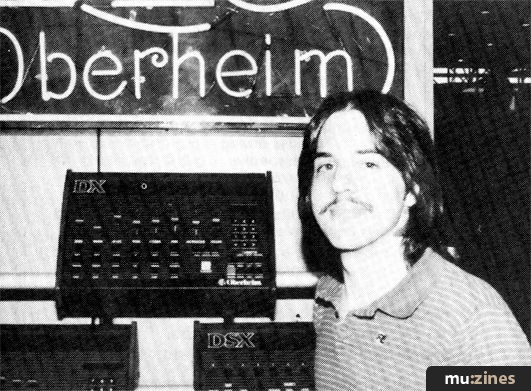
Tom Oberheim’s retrospective places the DX in 1982. By July 1983 its revised first-edition manual documented a six-channel sampled drum machine with real-time and single-step writing; September’s Electronics & Music Maker review quoted £999 in Britain, without making the tax basis explicit. These are dated points in its history, not proof of the first shipment. The original DX, later MIDI-equipped DXa and Stretch expansion need to remain distinct.
The machine in the record
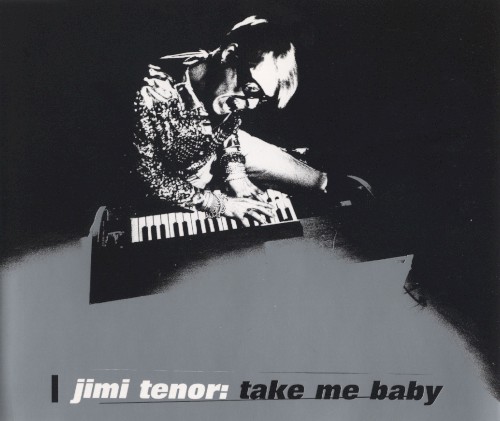
Jimi Tenor / “Take Me Baby”.
Jimi Tenor identifies the DX playback used to replace the TR-909 kick, snare and hi-hats on “Take Me Baby”. It is a precise studio decision: one drum machine’s voices standing in for another’s.
Read Omniverse — exclusive book excerpt ↗More records in the archive
The machine keeps turning up.
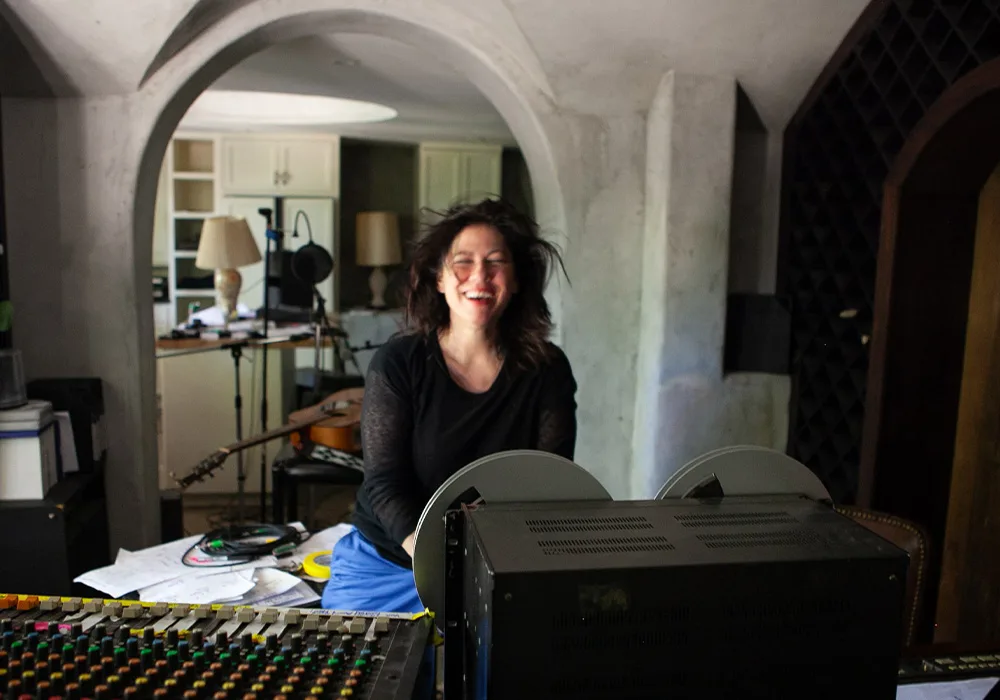
Kim Deal / four-track song development in the 1980s
Deal recalls the Oberheim DX as one of her first machines, used while developing songs on four-track.
Read Kim Deal: Communication as a Technical Skill ↗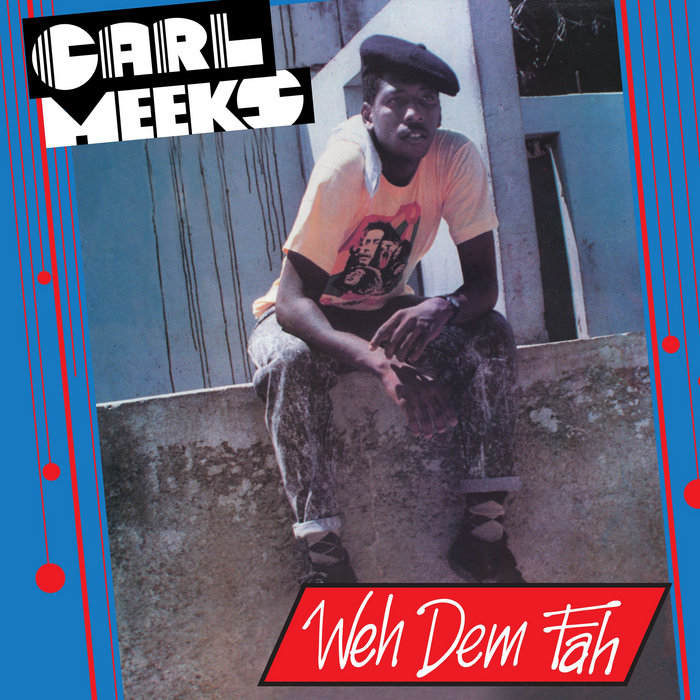
Carl Meeks / Steely & Clevie / Weh Dem Fah
VP’s reissue account places Steely & Clevie’s Oberheim DX at the centre of the digikiller tracks made for Carl Meeks’s 1988 Weh Dem Fah.
Read Carl Meeks / Weh Dem Fah ↗
El Piyi / Ritmo medio
Track credits assign Oberheim DX rhythm programming to tracks 1 and 5.
Read El Piyi — Ritmo medio ↗Archive source
Rhythm Electronics / Vintage Drum Machines for Roland MC-707 & MC-101
Rhythm Electronics includes a Oberheim DX kit and pattern set in Vintage Drum Machines for Roland MC-707 & MC-101, describing the source samples as recorded from mint-state machines.
Read Rhythm Electronics / Vintage Drum Machines for Roland MC-707 & MC-101 ↗
Rodney Shelden Fehsenfeld / i don’t do music… MUSIC DOES ME.
Rodney Shelden Fehsenfeld’s 1985 track credit names the Oberheim DX drum machine.
Read Rodney Shelden Fehsenfeld / i don’t do music… MUSIC DOES ME. ↗
Pink Fink / Pink Fink
Pink Fink list an Oberheim DX in the instruments used for their self-titled album.
Read Pink Fink — Pink Fink ↗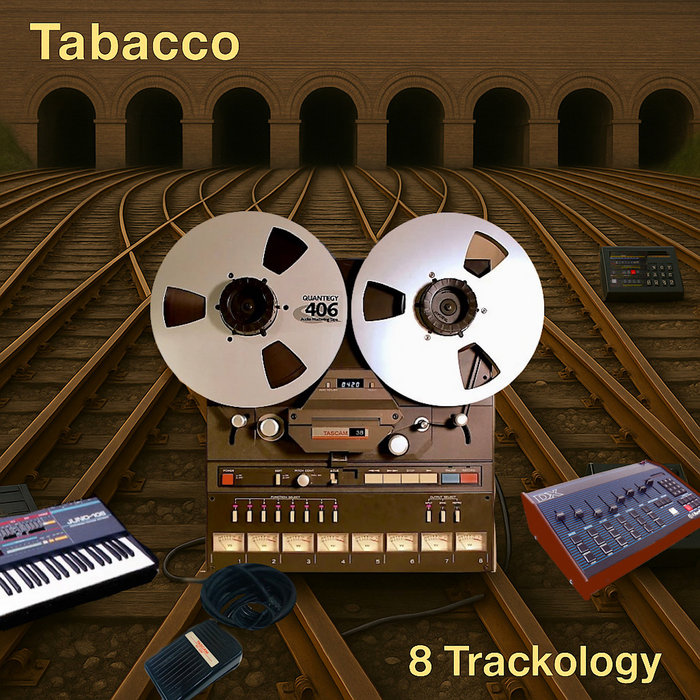
John Tabacco / It Had a Snorkle Mug
John Tabacco says he overdubbed Oberheim DX kick, snare and toms over a live drum take, retaining its feel while giving the drums more punch and separation.
Read John Tabacco — It Had a Snorkle Mug ↗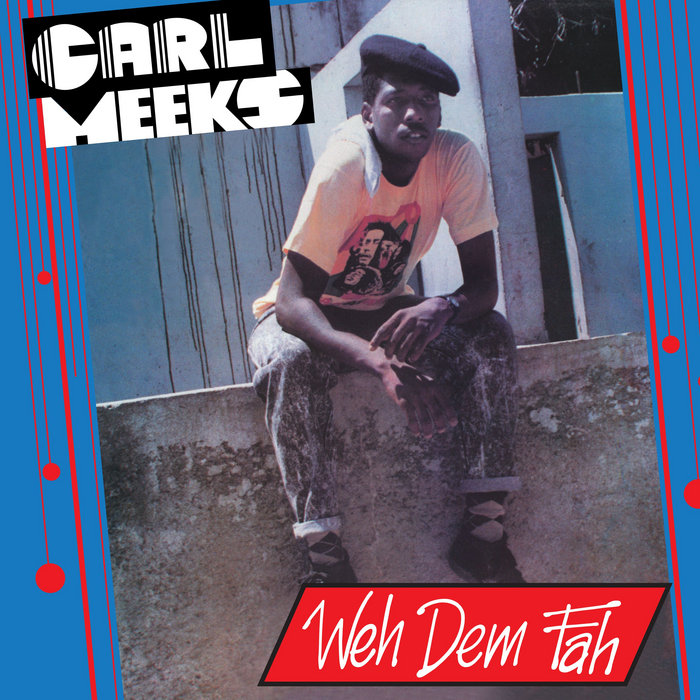
Carl Meeks / Steely & Clevie / Weh Dem Fah
The reissue account says Steely & Clevie built the album’s digital-dancehall tracks with an Oberheim DX alongside Yamaha keyboards.
Read Carl Meeks — Weh Dem Fah ↗
King Pari / Snowday
King Pari’s track instrumentation credit lists an Oberheim DX drum machine.
Read King Pari — Snowday ↗
Courtesy / HEY
Moon Glyph’s release account describes Courtesy’s record as held together by a persistent Oberheim DX drum machine.
Read Courtesy — HEY ↗
Robin Fox / Replica
Robin Fox places the Oberheim DX beside modular studies, harmonium, voices and guitar in the score for Stephanie Lake’s dance work Replica.
Read Robin Fox — Replica ↗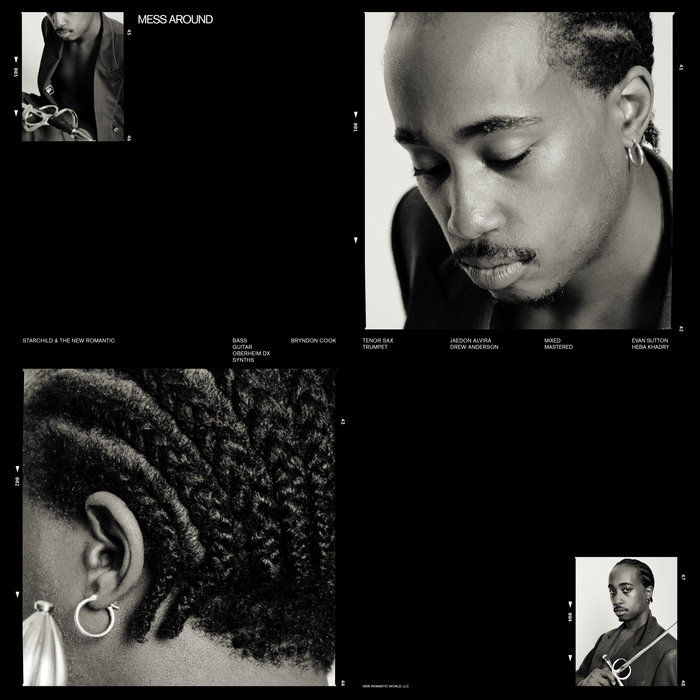
Starchild & The New Romantic / Mess Around
Bryndon Cook’s track credit names an Oberheim DX drum machine alongside the OB-6, bass, guitar and vocals.
Read Starchild & The New Romantic — Mess Around ↗Jimi Tenor / Take Me Baby
Jimi Tenor used the DX to play replacement 909 kick, snare and hi-hat sounds on “Take Me Baby”.
Read Omniverse — exclusive book excerpt ↗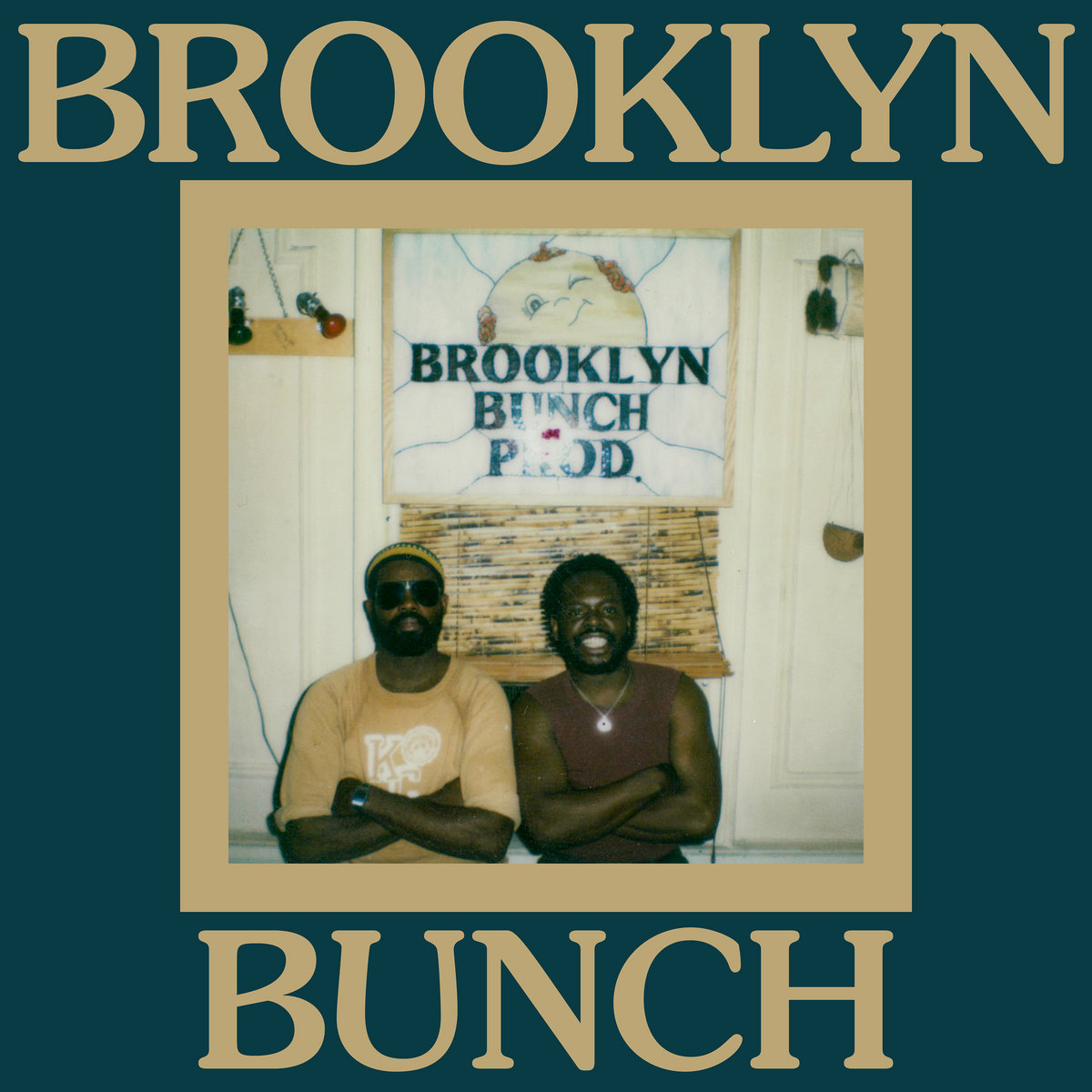
Brooklyn Bunch / “Esmerelda”
Frederiksberg Records’ reissue notes describe “Esmerelda” as built around Oberheim DX drum loops.
Read Brooklyn Bunch — Brooklyn Bunch ↗
Heron & Crane / Dave Gibson / “Sea Peoples”
Heron & Crane credit Dave Gibson with Oberheim DX programming, drums and percussion on “Sea Peoples”.
Read Heron & Crane — Sea Peoples/Comfort Zone ↗Eighteen buttons, six channels
The DX put eighteen drum buttons in front of the player, but those buttons did not mean eighteen independent voices. Bass drum, snare and crash each had three volume choices; the hi-hat offered closed, accented and open sounds. Three tom buttons selected pitches within one group, while percussion combined accented shaker and handclaps. The July 1983 manual makes that organisation plain: six sets of voices, each with three variations. In the September review, Marcus Ryle explained how dispensing with the DMX’s separate voice-card construction helped bring the price down. The economy was in the architecture, not in abandoning recorded drum sounds. It also shaped the kit: variations within a group shared a channel rather than becoming independently mixable instruments.
Writing the rhythm into the loop
Hold Record and press Play, and the DX repeatedly recorded a two-measure pattern unless the player changed its length. A bass-drum pass could be followed by snare and hi-hat passes: recording added notes, while erasure was a separate operation. Single-step entry offered a slower route, advancing by the selected rhythmic value as the player entered a drum or a rest. Quantize corrected incoming notes rather than straightening an already stored performance. Swing likewise acted during recording, with settings from 50 to 70 per cent on eighth- or sixteenth-note grids. That distinction mattered: changing a playback setting was not a way to undo the timing already written into a pattern. Copy and Append then let a player preserve a starting rhythm or join sequences into a longer phrase.
Six routes out to the studio
The front sliders set the balance at the mixed outputs. Six separate rear outputs gave a mixer another route, but those sockets were fixed-level: moving a front voice slider did not change its separate output. Rear tuning controls also worked by group, so the three tom pitches could not all be tuned independently. Clock connections let a DX run with an Oberheim DSX, DMX or another DX; the manual also described using its click output to clock the OB-8’s arpeggiator. These were concrete studio connections, not MIDI. A May 1984 comparison still described the DX without MIDI, while later DXa and retrofit documentation belongs to a separate revision history. The cassette interface stored rhythm data; replaceable sound chips held the drum recordings. Neither made the original DX a sampler that could record a new sound at its front panel.
Oberheim DX ↗ DX Owner’s Manual, revised first edition ↗ D is for Drum ↗ Products: DX ↗ The DMX Files ↗ DMX and DX Downloads ↗
Jimi Tenor’s replacement-chip drums
Jimi Tenor gives the replaceable chips a specific musical history. In his autobiographical account, he bought a DX when it was almost the cheapest drum machine available, then had a former Roland worker in a Soho music store burn chips containing TR-909 kick, snare and hi-hat samples. He says those sounds were used on “Take Me Baby”. Here, the DX carried sounds sampled from another instrument, making its chip-based kit something Tenor could reshape. His testimony identifies both a recording and a modification; it does not make that replacement set the factory DX sound or settle the track’s original release date and whole session setup.
Ownership is not a session credit
Other accounts show the DX’s reach, but they answer different questions. Kim Deal told Tape Op that a DX was one of her first drum machines in the 1980s. In the same interview she placed her move into four-track recording in the early 1990s, so those recollections should not be joined into a claim about an identified 1980s DX session. VP’s later account of Carl Meeks’s 1988 album “Weh Dem Fah” describes Steely & Clevie working with an Oberheim DX and Yamaha keyboards. That is a label’s retrospective production account, not a track-by-track allocation or independent confirmation from each musician. Together, these accounts connect the machine to an early personal setup and a described album-production system, without pretending they document the same kind of use.
Kim Deal: Communication as a Technical Skill ↗ Carl Meeks / Weh Dem Fah ↗
The visual archive
Further visual evidence.
Sources for images shown earlier (15)
- NAMM Report ↗
- Kim Deal — Tape Op interview portrait ↗
- Starchild & The New Romantic — Mess Around ↗
- Brooklyn Bunch — Brooklyn Bunch ↗
- Heron & Crane — Sea Peoples/Comfort Zone ↗
- Carl Meeks / Steely & Clevie — Weh Dem Fah ↗
Release date not stated on source page · Carl Meeks / Steely & Clevie / release artwork via Bandcamp · Official Bandcamp release-page artwork (Open Graph image) - El Piyi — Ritmo medio ↗
2024-11-26 · El Piyi / release artwork via Bandcamp · Official Bandcamp release-page artwork (Open Graph image) - Rhythm Electronics — Vintage Drum Machines for Roland MC-707 & MC-101 ↗
2021-02-07 · Rhythm Electronics / release artwork via Bandcamp · Official Bandcamp release-page artwork (Open Graph image) - Rodney Shelden Fehsenfeld — i don’t do music… MUSIC DOES ME. ↗
2026-06-15 · Rodney Shelden Fehsenfeld / release artwork via Bandcamp · Official Bandcamp release-page artwork (Open Graph image) - Pink Fink — Pink Fink ↗
2017-10-13 · Pink Fink / release artwork via Bandcamp · Official Bandcamp release-page artwork (Open Graph image) - John Tabacco — It Had a Snorkle Mug ↗
2014-09-22 · John Tabacco / release artwork via Bandcamp · Official Bandcamp release-page artwork (Open Graph image) - King Pari — Snowday ↗
Undated · King Pari / release artwork via Bandcamp · Official Bandcamp release-page artwork (Open Graph image) - Courtesy — HEY ↗
2018-05-04 · Courtesy / release artwork via Bandcamp · Official Bandcamp release-page artwork (Open Graph image) - Robin Fox — Replica ↗
2018-12-13 · Robin Fox / release artwork via Bandcamp · Official Bandcamp release-page artwork (Open Graph image) - Jimi Tenor — Take Me Baby ↗
1996-11-04 · Jimi Tenor / release artwork via Cover Art Archive · Release catalogue and retained front artwork
Additional visual sources (10)
Original publications and related image sources.
- DX Owner’s Manual, second edition ↗
January 1985 · Daniel Sofer / Oberheim Electronics · Cover and contents, PDF pp. 1–3 - Stretch installation and owner-manual editions ↗
Original editions not inspected · Oberheim · DX/Stretch entries - Oberheim DX ↗
Sep 1983 · Electronics & Music Maker · Marcus Ryle with the captioned Oberheim system; DX and DMX units are both visible and explicitly named. - Oberheim DX ↗
Sep 1983 · Electronics & Music Maker · Oberheim DX rear panel with MODEL DX marking visible; this is not the DMX. - Oberheim DX ↗
Sep 1983 · Electronics & Music Maker · Opened Oberheim DX shown in a dedicated DX review; - Oberheim DX ↗
Sep 1983 · Electronics & Music Maker · Oberheim DX left-hand voice controls, identified by its dedicated review and image-specific caption; not DMX. - Oberheim DX ↗
Sep 1983 · Electronics & Music Maker · Oberheim DX voice circuitry, identified by its dedicated review and image-specific caption; not DMX. - Oberheim vs Drumulator ↗
Jan 1984 · Electronic Soundmaker & Computer Music · Oberheim DX drum machine with DX marking clearly visible; reject the inherited Drumulator mapping. - Drumulator; Oberheim vs Drumulator ↗
Jan 1983 · One Two Testing · Oberheim DX drum machine with DX and Oberheim markings clearly visible; - Electronic Percussion Checklist ↗
Jul 1985 · Electronics & Music Maker · Oberheim DX product photograph, visually distinct from the larger DMX by its compact case and eight voice sliders.