
Maestro’s Rhythm King family made automatic electronic rhythm a convincing commercial instrument in the late 1960s, with preset dances, selectable voices and connections for the organist, guitarist or home player.Sources (7)
The machine in the record
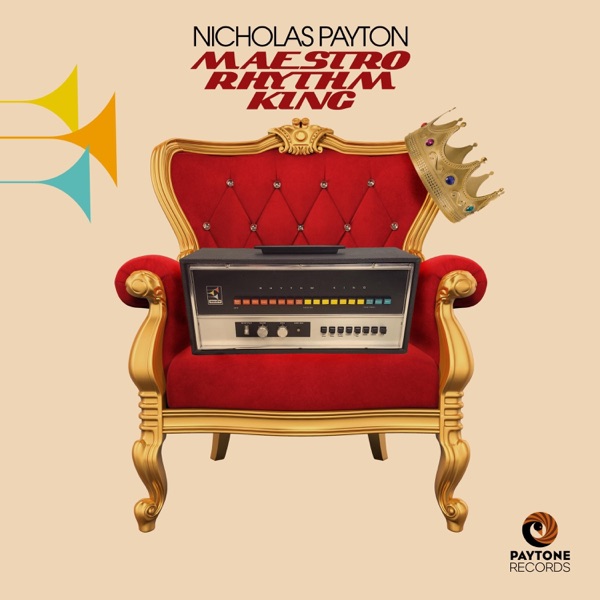
Nicholas Payton / Maestro Rhythm King.
Nicholas Payton says his album Maestro Rhythm King took its title from the Maestro Rhythm King he used on it. The name is a clue to the record’s purpose: an old accompaniment machine recast as part of a contemporary player’s voice.
Read Nicholas Payton, Maestro Rhythm King ↗More records in the archive
The machine keeps turning up.

Alexis Taylor / “Colombia” from Paris in the Spring
Alexis Taylor says he used a Maestro Rhythm King with clavinet to give “Colombia” its first body as the song developed in the Paris sessions for Paris in the Spring.
Read Alexis Taylor on Paris in the Spring and the Maestro Rhythm King ↗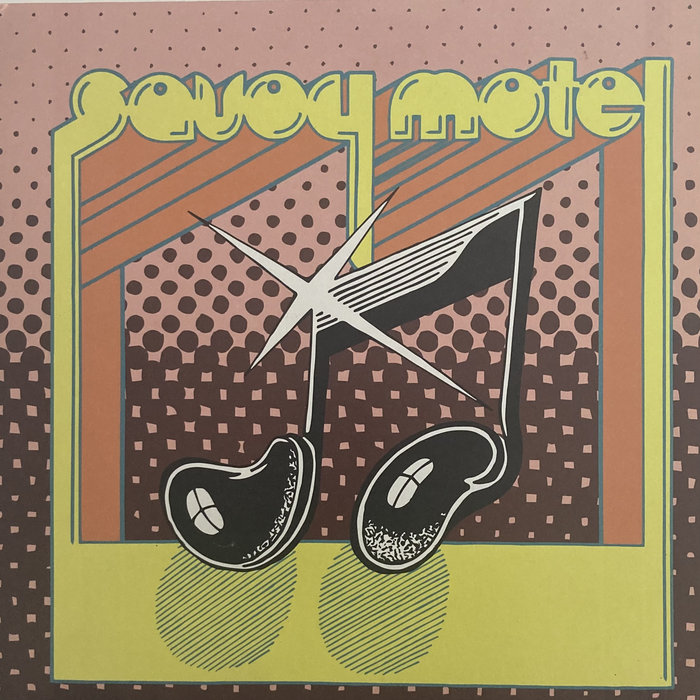
Savoy Motel / Jeffrey Novak / Savoy Motel (2016)
Jeffrey Novak recalls buying a Mark I Maestro Rhythm King while making the material that became Savoy Motel, mixing its drum-machine beats with live drums in the studio recordings.
Read Savoy Motel (2016) / Jeffrey Novak ↗Reported association
Sly & the Family Stone / Sly Stone / Family Affair
The published account identifies Sly Stone’s Maestro Rhythm King MRK-2 as a central rhythm source on “Family Affair.”
Read Forever No. 1: Sly & the Family Stone’s “Family Affair” ↗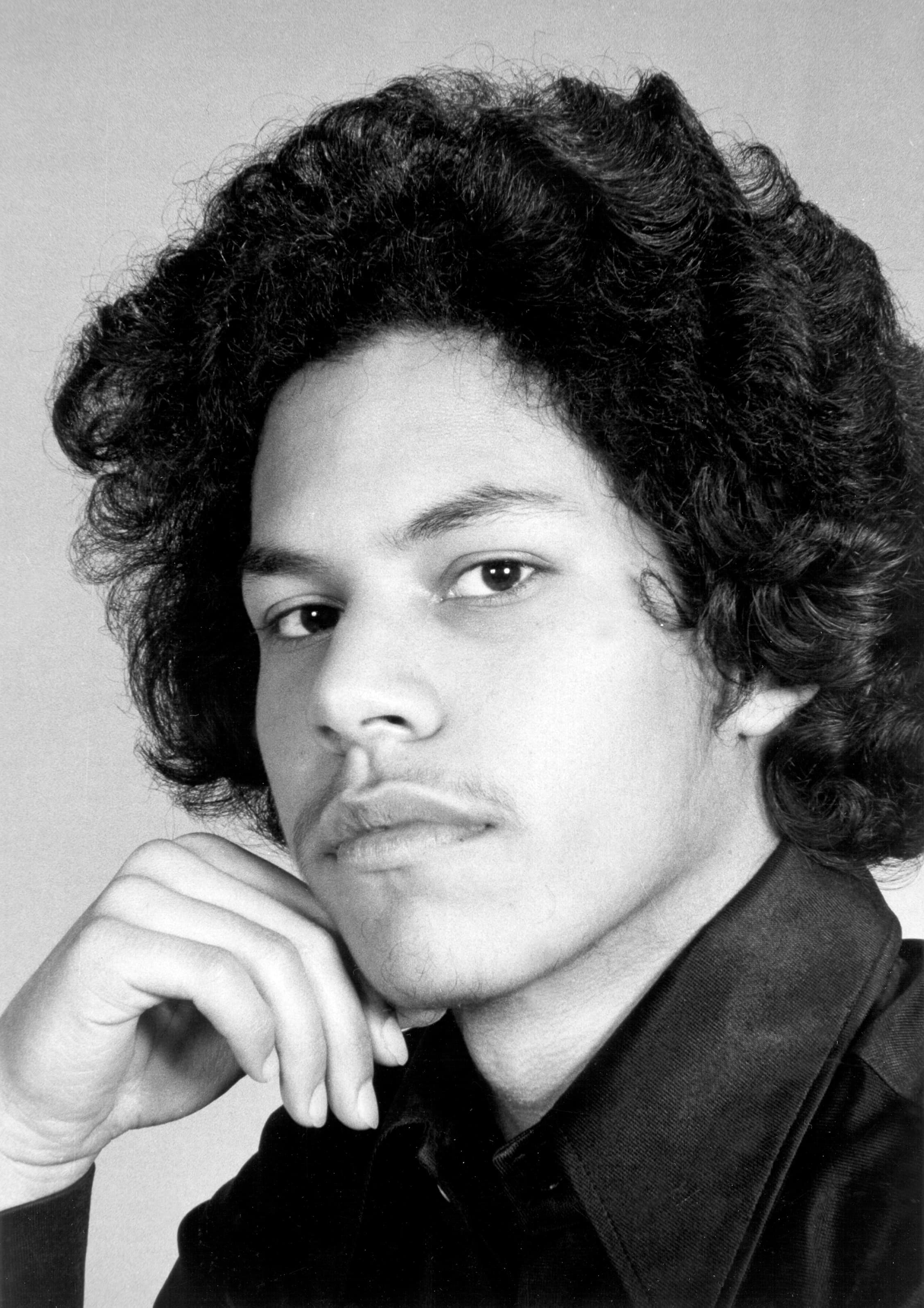
Shuggie Otis / Early studio work
Shuggie Otis recalls buying a Maestro Rhythm King after hearing its use as a click-track device, then using it in that same way in his own studio work.
Read Prodigal Sun: Shuggie Otis shines light on dark days ↗Reported association
Shuggie Otis / Early studio work
A published profile connects Shuggie Otis’s early studio work with the Maestro Rhythm King.
Read Prodigal Sun: Shuggie Otis shines light on dark days ↗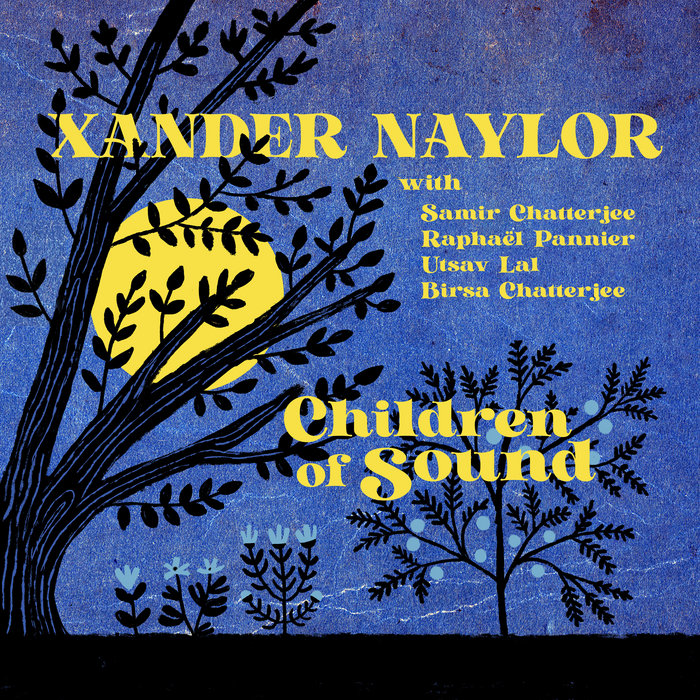
Jin Ono / The Light
Jin Ono credits a Maestro Rhythm King MKII across The Light.
Read The Light ↗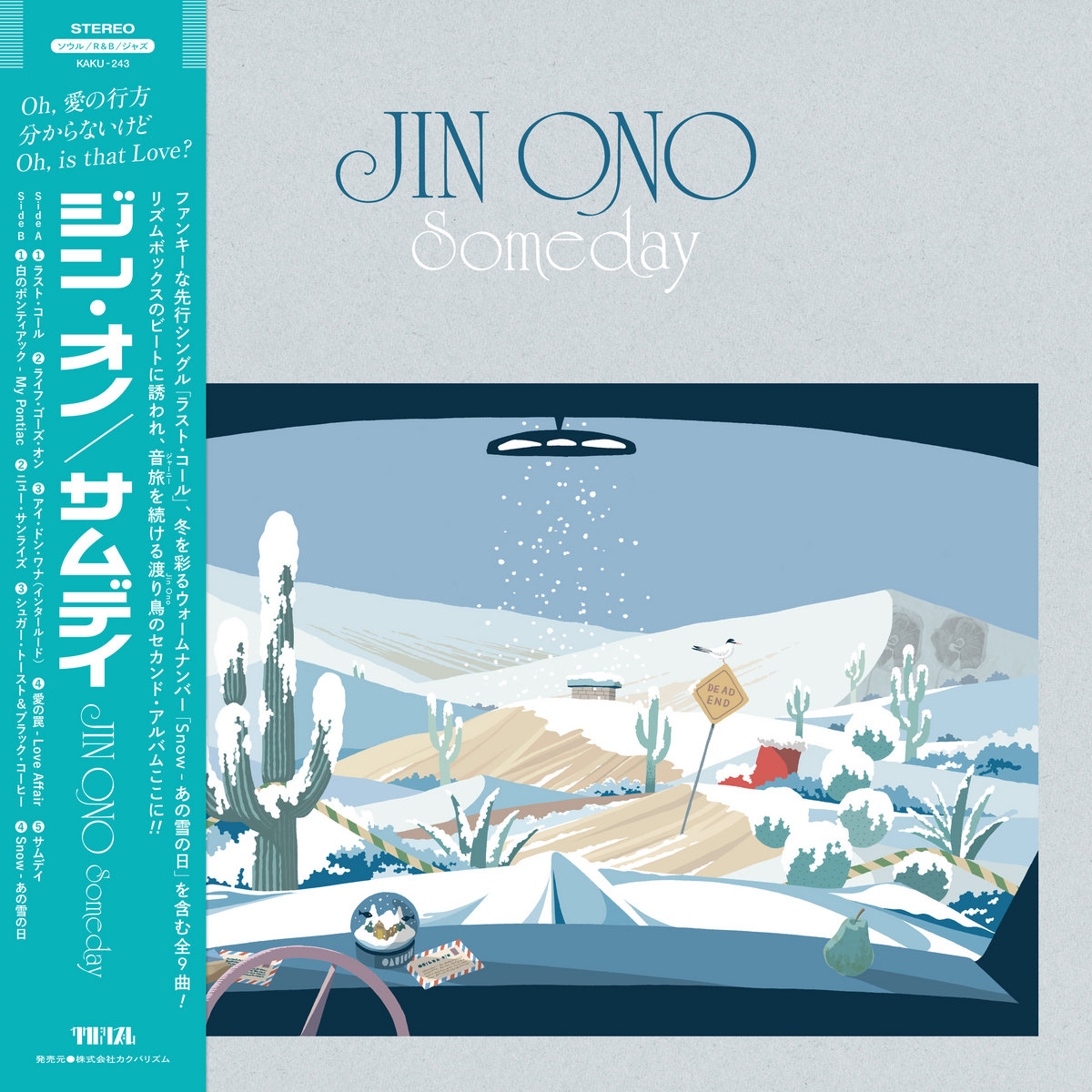
Jin Ono / Someday
Jin Ono’s 2025 Someday credits him with Maestro Rhythm King MKII on every song.
Read Jin Ono — Someday ↗Sam Wilkes / One Theme & Subsequent Improvisation
Sam Wilkes says he began the session for One Theme & Subsequent Improvisation by pressing play on a Maestro Rhythm King.
Read One Theme & Subsequent Improvisation ↗Ezra Oklan / Xander Naylor / Hayseed (Original Motion Picture Soundtrack)
Hayseed soundtrack credits list Ezra Oklan on drum set, percussion and Maestro Rhythm King.
Read Hayseed (Original Motion Picture Soundtrack) ↗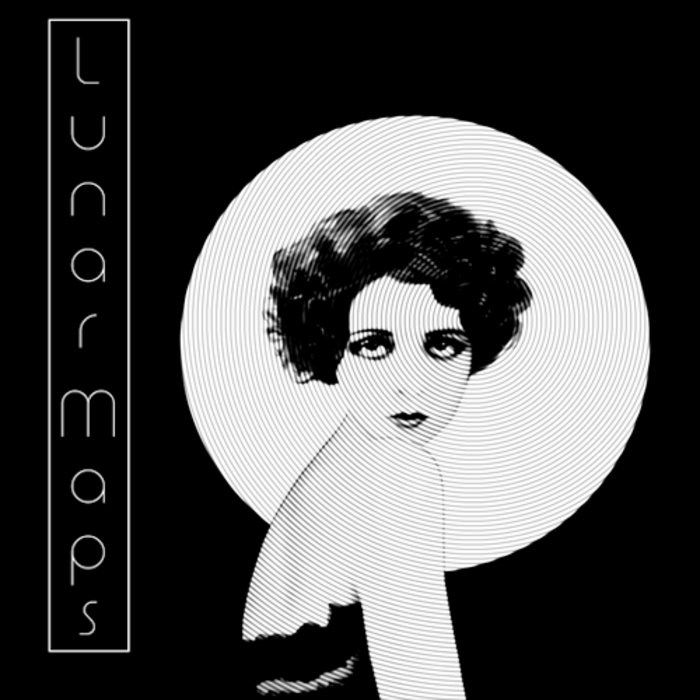
Lunar Maps / Lunar Maps
Lunar Maps list the Maestro Rhythm King MRK-2 among the drum machines used for this 2010 recording.
Read Lunar Maps / Lunar Maps ↗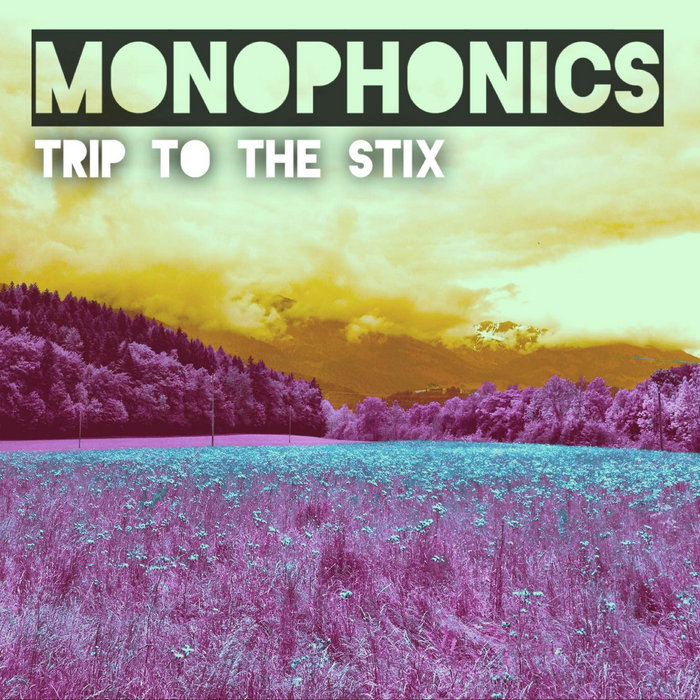
Monophonics / Trip to the Stix
The track credits name a Maestro Rhythm King drum machine among the players.
Read Monophonics — Trip to the Stix ↗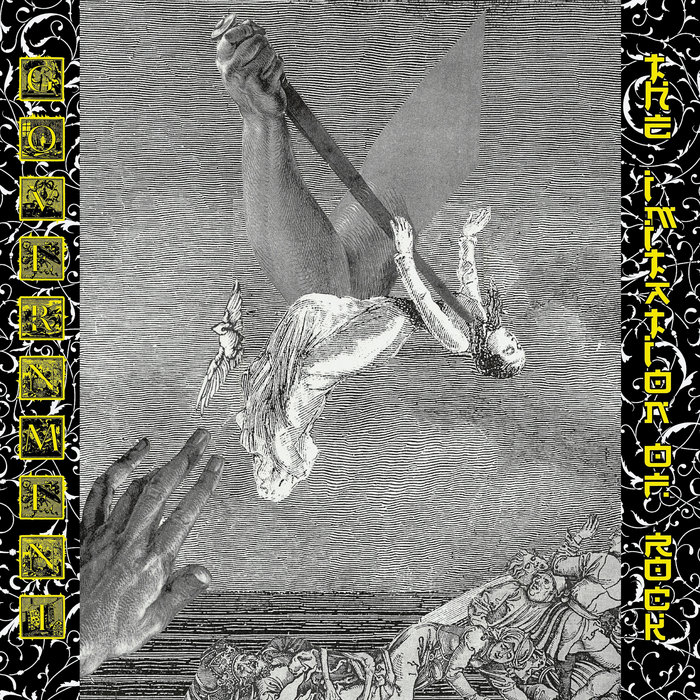
Government / The Imitation of Rock
Emma’s credits name Maestro Rhythm King programming on Point Blank and City Dump Song.
Read Government — The Imitation of Rock ↗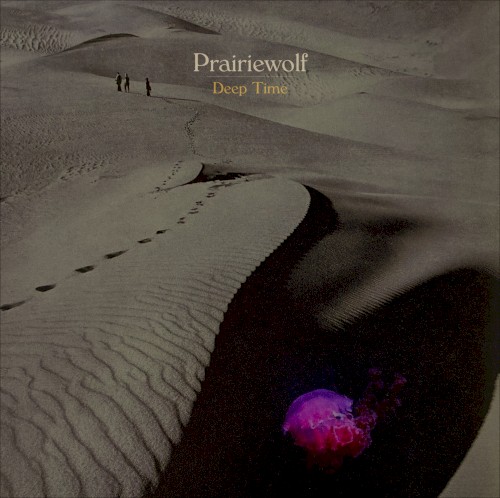
Prairiewolf / Deep Time (album)
Band names Korg Univox/Mini Pops SR-120, Maestro Rhythm King II and Ace Tone FR-3 for Deep Time.
Read Prairiewolf (Interview) ↗Sam Wilkes starts with the Rhythm King
Sam Wilkes says he began the session for One Theme & Subsequent Improvisation by pressing play on a Maestro Rhythm King. It is a wonderfully direct picture of a machine doing what it was built to do: setting a room in motion before the musicians decide where the piece will go.
A 1968 promise
Maestro’s 30 May 1968 DownBeat advertisement pictured the Rhythm King and promised eighteen patterns, eight selectable percussion voices, foot-switch restart on the downbeat, and connections to amplifiers, organs and domestic audio. It sold the machine as accompaniment with enough control to become part of a performance.Source (1)
From automatic rhythm to record-making
The Smithsonian’s MRK-1 preserves the family in physical detail, including its eighteen named presets and individual percussion triggers. Sly Stone’s official archive and Shuggie Otis’s testimony show how musicians later pulled this kind of fixed pulse into funk and record-making, where the Rhythm King became a sound choice in its own right. Maestro was still introducing new Rhythm King units in 1972.
Prairiewolf’s *Deep Time*
Prairiewolf names a Maestro Rhythm King II among the instruments used for *Deep Time*. No track-by-track allocation is claimed, but the band’s own account brings a late-1960s accompaniment machine into a modern record-making room, where its preset pulse becomes part of a larger ensemble.Source (1)
Sly Stone turns a preset sideways
A published account of “Family Affair” identifies Sly Stone’s Maestro Rhythm King MRK-2 as the song’s central programmed rhythm source. The claim is reported history, rather than a recovered multitrack. Its musical point is clear enough: a domestic preset machine was bent into the drifting, lopsided pulse of one of funk’s most enduring records.
On record
- Prairiewolf — Deep Time (album). Band names Korg Univox/Mini Pops SR-120, Maestro Rhythm King II and Ace Tone FR-3 for Deep Time. Source ↗
- Sly & the Family Stone / Sly Stone — Family Affair. The published account identifies Sly Stone’s Maestro Rhythm King MRK-2 as a central rhythm source on “Family Affair.” Source ↗
- Nicholas Payton — Maestro Rhythm King. Payton says his album Maestro Rhythm King was titled for the Maestro Rhythm King he featured on the recording. Source ↗
- Jin Ono — The Light. Jin Ono credits a Maestro Rhythm King MKII across The Light. Source ↗
- Sam Wilkes — One Theme & Subsequent Improvisation. Sam Wilkes says he began the session for One Theme & Subsequent Improvisation by pressing play on a Maestro Rhythm King. Source ↗
- Ezra Oklan / Xander Naylor — Hayseed (Original Motion Picture Soundtrack). Hayseed soundtrack credits list Ezra Oklan on drum set, percussion and Maestro Rhythm King. Source ↗
- Ezra Oklan / Xander Naylor — Hayseed (Original Motion Picture Soundtrack). Xander Naylor’s Hayseed soundtrack credits Ezra Oklan with drum set, percussion and Maestro Rhythm King. Source ↗
- Savoy Motel / Jeffrey Novak — Savoy Motel (2016). Jeffrey Novak recalls buying a Mark I Maestro Rhythm King while making the material that became Savoy Motel, mixing its drum-machine beats with live drums in the studio recordings. Source ↗
- Lunar Maps — Lunar Maps. Lunar Maps list the Maestro Rhythm King MRK-2 among the drum machines used for this 2010 recording. Source ↗
- Monophonics — Trip to the Stix. The track credits name a Maestro Rhythm King drum machine among the players. Source ↗
- Government — The Imitation of Rock. Emma’s credits name Maestro Rhythm King programming on Point Blank and City Dump Song. Source ↗
In the studio and on stage
- Shuggie Otis — Early studio work. Shuggie Otis recalls buying a Maestro Rhythm King after hearing its use as a click-track device, then using it in that same way in his own studio work. Source ↗
- Shuggie Otis — Early studio work. A published profile connects Shuggie Otis’s early studio work with the Maestro Rhythm King. Source ↗
Sources
- Maestro Rhythm King advertisement
- Gibson Rhythm Synthesizer — Maestro Rhythm King MRK-1
- I’m Just Like You: Sly’s Stone Flower 1969–70 Available Now
- Prodigal Sun: Shuggie Otis shines light on dark days
- Maestro introduce new Rhythm King units
- Prairiewolf (Interview)
- Forever No. 1: Sly & the Family Stone’s “Family Affair”
The visual archive
Further visual evidence.
Sources for images shown earlier (9)
- Lunar Maps — Lunar Maps ↗
- Alexis Taylor — MusicRadar interview portrait ↗
- Monophonics — Trip to the Stix ↗
- Government — The Imitation of Rock ↗
- Jin Ono — Someday ↗
- Savoy Motel / Jeffrey Novak — Savoy Motel (2016) ↗
2016-01-01 · Savoy Motel / Jeffrey Novak / release artwork via Bandcamp · Official Bandcamp release-page artwork (Open Graph image) - Ezra Oklan / Xander Naylor — Hayseed (Original Motion Picture Soundtrack) ↗
2024-09-13 · Ezra Oklan / Xander Naylor / release artwork via Bandcamp · Official Bandcamp release-page artwork (Open Graph image) - Nicholas Payton — Maestro Rhythm King ↗
2020-11-30 · Nicholas Payton / release artwork via Apple Music catalogue · Release catalogue and retained front artwork - Shuggie Otis — Wax Poetics ↗
Undated · Wax Poetics · Lead portrait for Wax Poetics’s Shuggie Otis feature.
Additional visual sources (1)
Original publications and related image sources.
- Maestro Rhythm King advertisement in DownBeat ↗
30 May 1968 · Maestro · Issue identified; printed page number pending inspection