
The R-50e appeared in 1988 trade coverage as a new Kawai R-series variation. Its identity begins with the CP2 sound library carried inside the familiar R-50 body.
The machine in the record
Robert Parker / another drum-machine arrival.
A cited 2016 Robert Parker post welcomes a Kawai R-50e to his drum-machine family. It is ownership, not a recorded-song claim. The value is in the simple collector’s moment: another overlooked box given a place in an active musician’s world.
Read Robert Parker’s Kawai R-50e ↗More records in the archive
The machine keeps turning up.

Ghoëst / Ghoëst composition method
Ghoëst describes using a Kawai R-50e for drums to make 1980s constraints part of the project’s writing method.
Read Ghoëst / Kawai R-50e working method ↗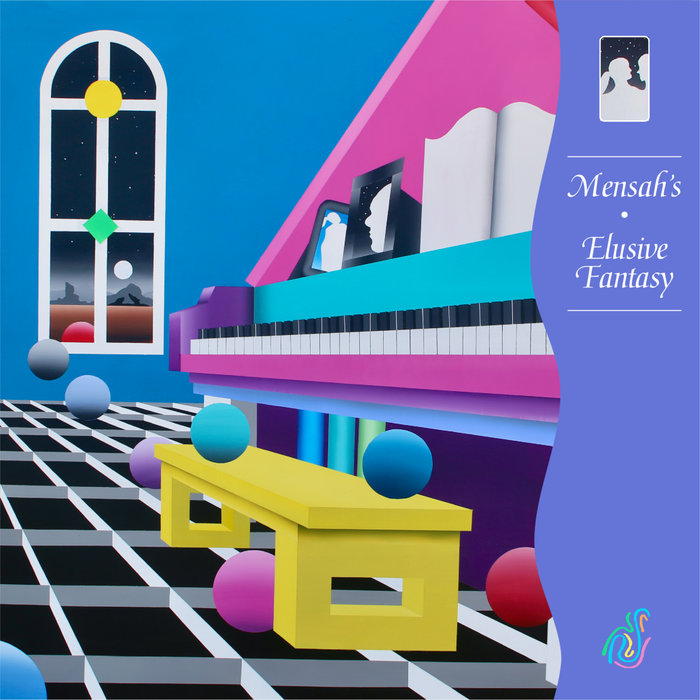
Mensah / Elusive Fantasy
Mensah’s Elusive Fantasy credits place a Kawai R-50e alongside the R-100 in Ed Wartts’s long-running home-studio work.
Read Mensah / Elusive Fantasy ↗
Sneaker & Scannoir / DoppelGOTT
Sneaker and Scannoir’s release credits list a Kawai R-50E among the instruments used for the DoppelGOTT material.
Read Sneaker & Scannoir — DoppelGOTT ↗
Perdí La Luz / Alfredo Lazaro / Rusty Nail
The release description identifies the Kawai R-50e as the drum machine shaping Rusty Nail.
Read Perdí La Luz — Rusty Nail ↗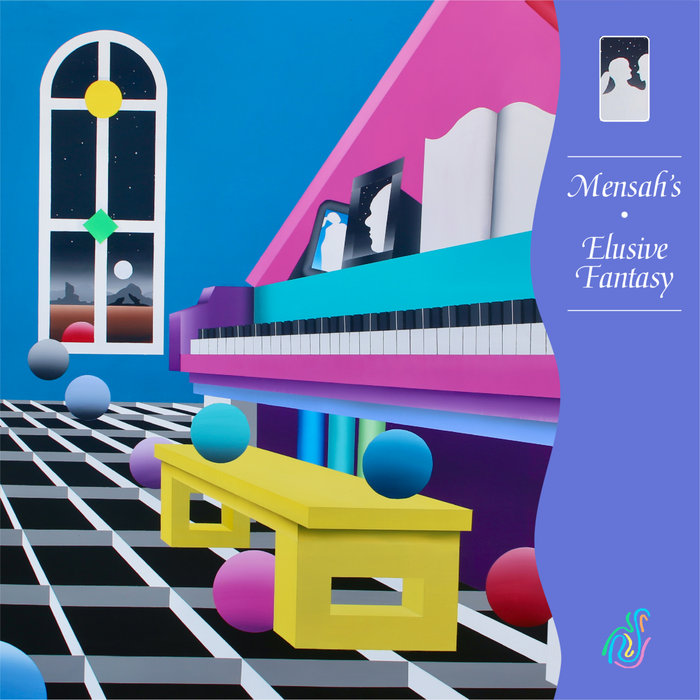
Mensah / Elusive Fantasy
Mensah’s album credits list the Kawai R-50e digital drum machine.
Read Mensah / Elusive Fantasy ↗The same body, a new voice
The R-50e is an R-50 built around a different onboard library: Kawai’s CP2 chip. Sound On Sound named its Purple rim shot, funk bass guitar and orchestra hit, details that give the model a distinct personality before a pattern is even written.Source (1)
A family built for changing sounds
At the 1988 Frankfurt Musik Messe, writers saw R-100 and R-50 family instruments fitted with front-panel rotary switches and internal boards carrying four whole sound chips. The selector chose one library at a time, making the sound set a physical part of the performance choice.Source (1)
Twenty-four sounds under ten pads
The R-50e owner’s manual describes 24 drum and tuned-percussion sounds, 50 preset patterns, drum-kit locations, ten pads, MIDI triggering and cassette or MIDI data handling. It is a compact machine that invites a player to treat its pads as a small, assignable kit rather than a fixed front panel.Source (1)
In the shops
A London Keyboard Shop advertisement reported a shipment of R-50E units in August 1989. The notice gives a glimpse of the instrument as it reached working musicians: an approachable drum machine with a more forceful sound library than the standard R-50.Source (1)
The library survives
Kawai’s legacy support still distinguishes R50E, R50 and R100 factory-setting data, preserving the family’s separate sound identities. Later R-series ROM work has kept the same question alive for owners and collectors: which library is in the machine, and how does that choice change the music it can make?Sources (2)
On record
- Ghoëst — Ghoëst composition method. Ghoëst describes using a Kawai R-50e for drums to make 1980s constraints part of the project’s writing method. Source ↗
- Mensah — Elusive Fantasy. Mensah’s Elusive Fantasy credits place a Kawai R-50e alongside the R-100 in Ed Wartts’s long-running home-studio work. Source ↗
- Sneaker & Scannoir — DoppelGOTT. Sneaker and Scannoir’s release credits list a Kawai R-50E among the instruments used for the DoppelGOTT material. Source ↗
- Perdí La Luz / Alfredo Lazaro — Rusty Nail. The release description identifies the Kawai R-50e as the drum machine shaping Rusty Nail. Source ↗
- Mensah — Elusive Fantasy. Mensah’s album credits list the Kawai R-50e digital drum machine. Source ↗
In the studio and on stage
- Robert Parker — Personal drum-machine collection. Robert Parker’s cited 2016 tweet welcomes a Kawai R-50e to his drum-machine family. Source ↗
Sources
The visual archive
Further visual evidence.
Sources for images shown earlier (5)
- The Shape of Things to Come ↗
- Ghoëst — Compilation I ↗
- Mensah — Elusive Fantasy ↗
Release date not stated on source page · Mensah / release artwork via Bandcamp · Official Bandcamp release-page artwork (Open Graph image) - Sneaker & Scannoir — DoppelGOTT ↗
Release date not stated on source page · Sneaker & Scannoir / release artwork via Bandcamp · Official Bandcamp release-page artwork (Open Graph image) - Perdí La Luz / Alfredo Lazaro — Rusty Nail ↗
2024-09-27 · Perdí La Luz / Alfredo Lazaro / release artwork via Bandcamp · Official Bandcamp release-page artwork (Open Graph image)
Additional visual sources (2)
Original publications and related image sources.
- Kawai R-series ROM identification photograph ↗
Undated · Circuitbenders / Pill Shovel Productions · Photograph of ROM C, B and A below identification paragraph - The Keyboard Shop reports R50E shipment ↗
August 1989 · The Keyboard Shop · PDF page57; full-page advertisement, Effects and Drum Machines column