
MFB’s 502 is a small analogue drum machine from the early 2000s, designed around direct access to its voices and a sequencer that keeps the player close to the beat.
The factory guide
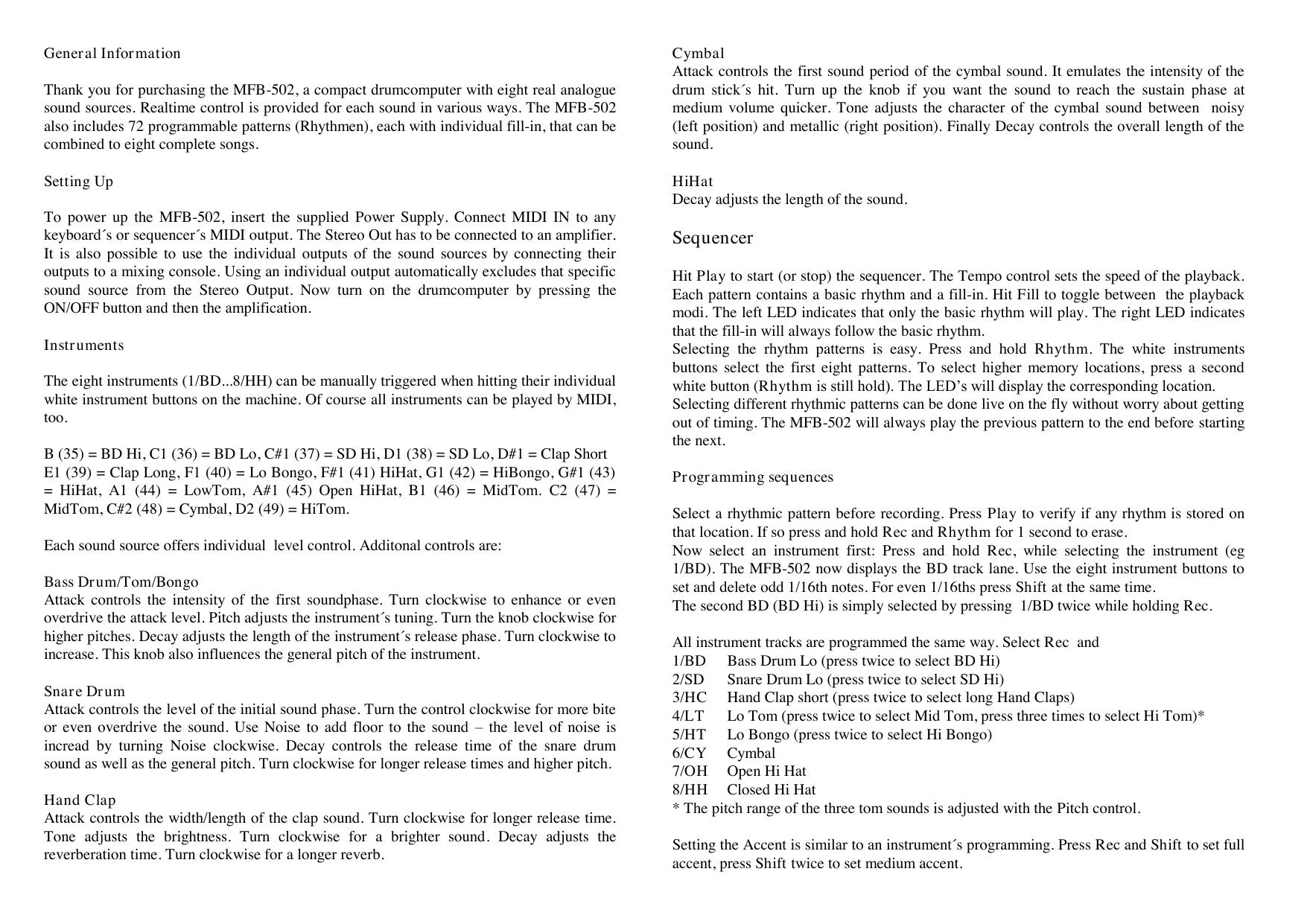
The operating instructions describe the voices, programming and connections.
 View full scan ↗
The machine in the record
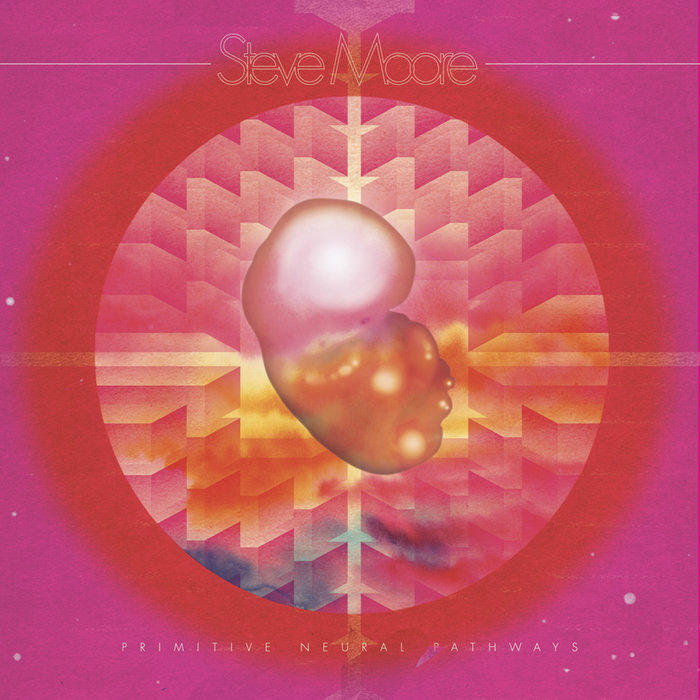
Steve Moore / Primitive Neural Pathways.
Steve Moore lists the MFB-502 Drumcomputer among the instruments used for Primitive Neural Pathways. The record credits the machine across the release rather than isolating a preset or pattern, but that is enough to put this modest German box in a fully named artist’s working palette.
Read Primitive Neural Pathways ↗More records in the archive
The machine keeps turning up.
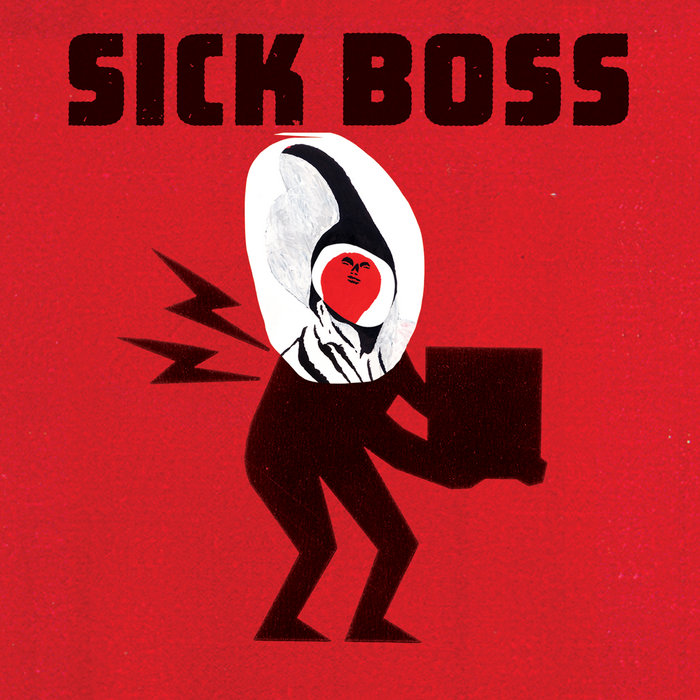
SICK BOSS / Malcolm Jack / “Bug Ya! (Pt. 1)”
SICK BOSS credits Malcolm Jack with MFB-502 Drum Computer on “Bug Ya! (Pt. 1)”.
Read SICK BOSS / SICK BOSS ↗youANDtheMACHINES / Behind LP production
A project interview says drum sounds were generated with MFB boxes including the 502.
Read youANDtheMACHINES / MFB-502 project setup ↗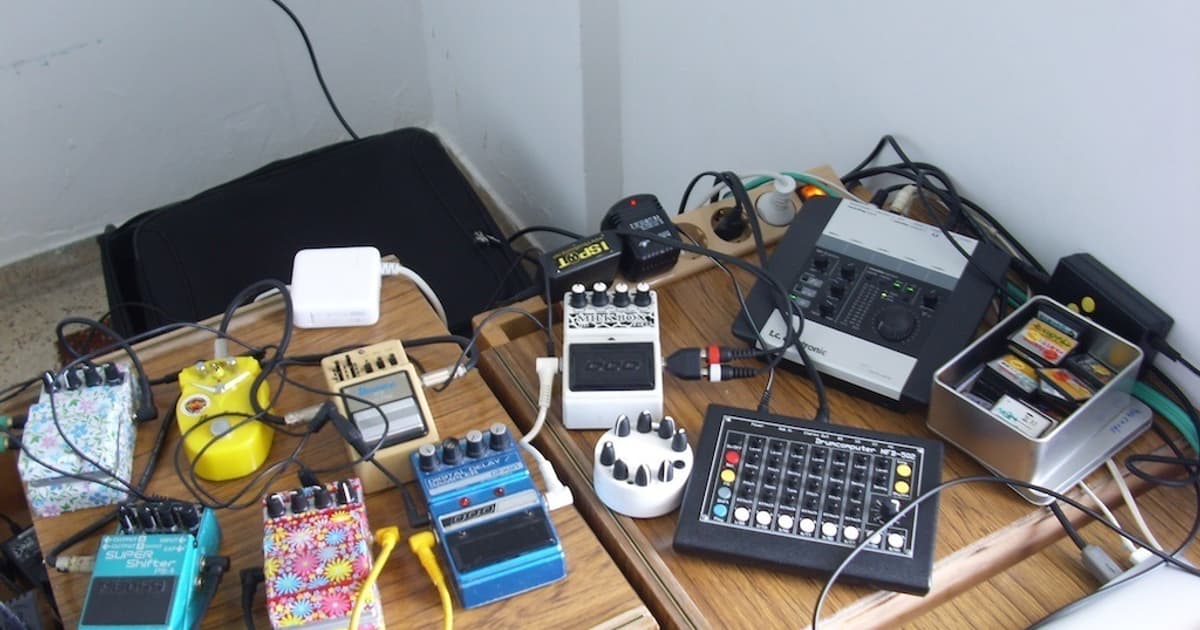
Larry Gus / Years Not Living / Silent Congas sessions
Larry Gus names an MFB-502 in the setup used for the tracks he developed for Years Not Living and Silent Congas.
Read Technique: Larry Gus — Years Not Living ↗Eight buttons, more than eight jobs
The MFB-502 asks a small row of buttons to do several jobs. They trigger its eight analogue voices; held with Rec, they choose the part to edit. The same buttons enter alternate sixteenth-note positions, with Shift reaching the positions between them. Repeated selections reveal related sounds: higher drums, a longer clap, another tom. A compact panel becomes a sequence of gestures the player learns.
A rhythm worth keeping
Its memory holds 72 patterns, each with a fill, and eight songs containing up to 64 pattern entries apiece. A new rhythm waits for the current one to finish before taking over. Songs can be assembled from the basic patterns and their fills; individual outputs let selected voices leave the stereo mix for separate treatment. The little box offers both a prepared arrangement and decisions made while the beat is running.
Part of a larger instrument
Larry Gus placed the 502 alongside acoustic percussion, a BC8 synth and effects while developing material for Years Not Living and Silent Congas. His account describes rhythm-making within a much larger process of collecting, combining and performing samples. The drum machine belonged to that working setup; the interview does not isolate its contribution to a finished track. For Behind, Martin Müller described a different approach: long performances with hardware, edited and arranged in a computer. He named the 502 among several MFB and other drum machines in the setup. In each account, the machine is one working part of a larger musical process.
Technique: Larry Gus — Years Not Living ↗ youANDtheMACHINES / MFB-502 project setup ↗
The name in the credits
Steve Moore lists the MFB-502 among the instruments on Primitive Neural Pathways. The equipment list places it alongside the CR-78 and Univox rhythm boxes, without dividing their work among individual tracks. SICK BOSS gives a more precise credit: Malcolm Jack plays MFB-502 Drum Computer on Bug Ya! (Pt.1). These are two useful ways into its musical life—an album’s working palette and a named performance on one piece.
A 2003 MFB marker
A March 2003 KEYS contents listing records a dedicated Fricke MFB-502 test, placing the machine in the period’s analogue-hardware revival. The later MFB-522 was reviewed in explicit comparison with its predecessor, which helps explain the 502’s place as an early, lean entry in the modern MFB drum-machine line.
KEYS contents archive — Fricke MFB-502 test ↗ Analog Drumcomputer MFB502 — dated archive version ↗ Test: MFB-522, Analog-Drumcomputer ↗
Recording and working accounts
Explore 4 source accounts
- Larry Gus — Years Not Living / Silent Congas sessions
- youANDtheMACHINES — Behind LP production
- Steve Moore — Primitive Neural Pathways
Steve Moore lists an MFB-502 Drumcomputer among the instruments used for Primitive Neural Pathways.
- SICK BOSS / Malcolm Jack — “Bug Ya! (Pt. 1)”
Sources
- Analog Drumcomputer MFB-502
- Test: MFB-522, Analog-Drumcomputer
- MFB-502 Drumcomputer Owners Manual
- Analog Drumcomputer MFB502 — dated archive version
- KEYS contents archive — Fricke MFB-502 test
- Technique: Larry Gus — Years Not Living
- youANDtheMACHINES / MFB-502 project setup
- Primitive Neural Pathways
- SICK BOSS / SICK BOSS
The visual archive
Further visual evidence.
Sources for images shown earlier (4)
- MFB-502 factory owner manual ↗
- Larry Gus — DMY technique feature ↗
- Steve Moore — Primitive Neural Pathways ↗
2011-08-09 · Steve Moore / release artwork via Bandcamp · Official Bandcamp release-page artwork (Open Graph image) - SICK BOSS / Malcolm Jack — “Bug Ya! (Pt. 1)” ↗
2017-05-26 · SICK BOSS / Malcolm Jack / release artwork via Bandcamp · Official Bandcamp release-page artwork (Open Graph image)