
Casio’s RZ-1 brought user sampling into a drum machine small and affordable enough to change the conversation in 1986.
The machine in the record
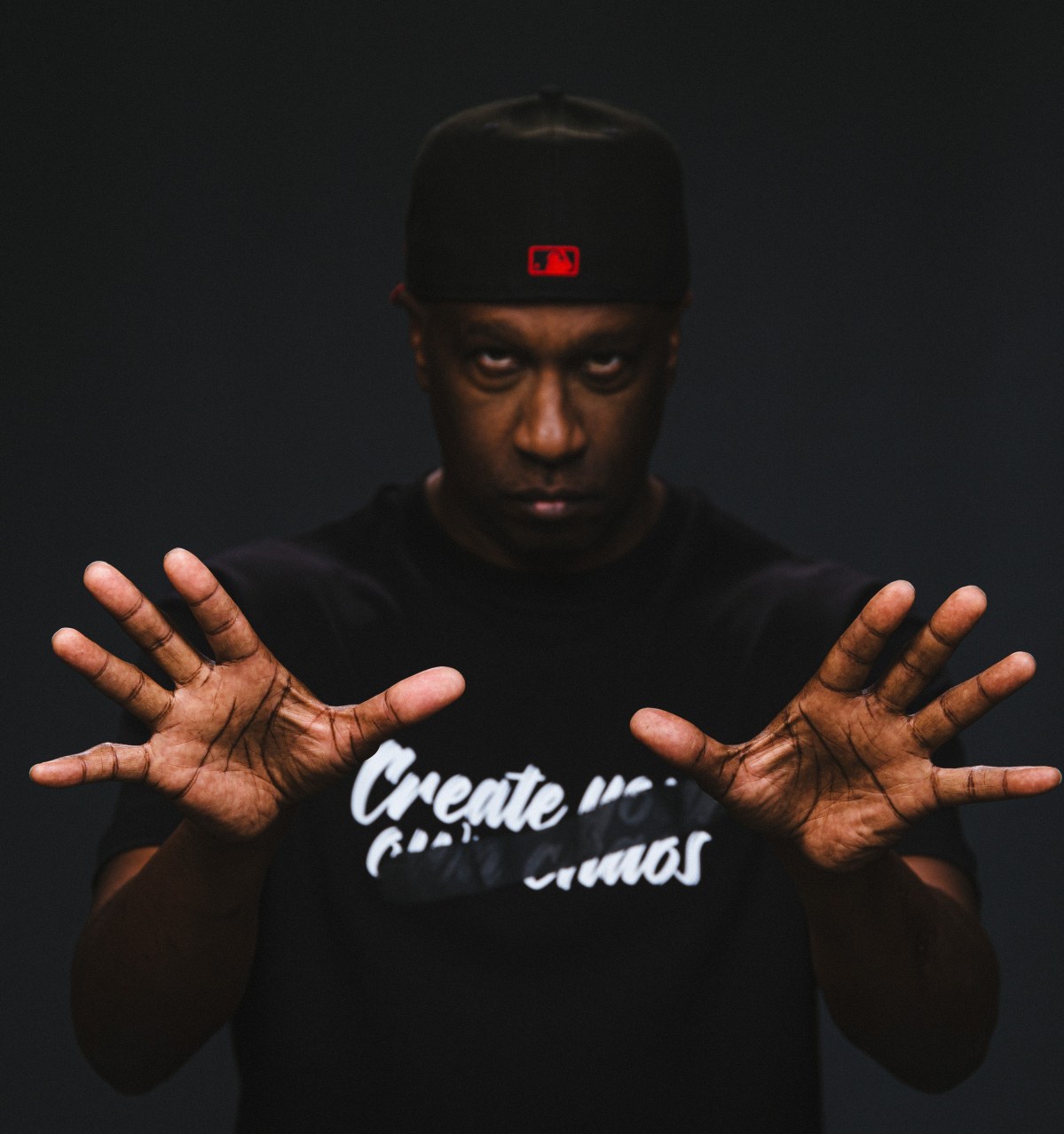
Todd Terry / “Can You Party”.
Todd Terry recalls using an RZ-1 and repeated four-track bouncing while making “Can You Party”. He does not allocate individual voices or identify the final mix, but the memory puts Casio’s sampler drum machine inside a decisive early-house workflow: repetition, tape and a groove built in layers.
Read Todd Terry interview: Sometimes you just gotta push it ↗More records in the archive
The machine keeps turning up.
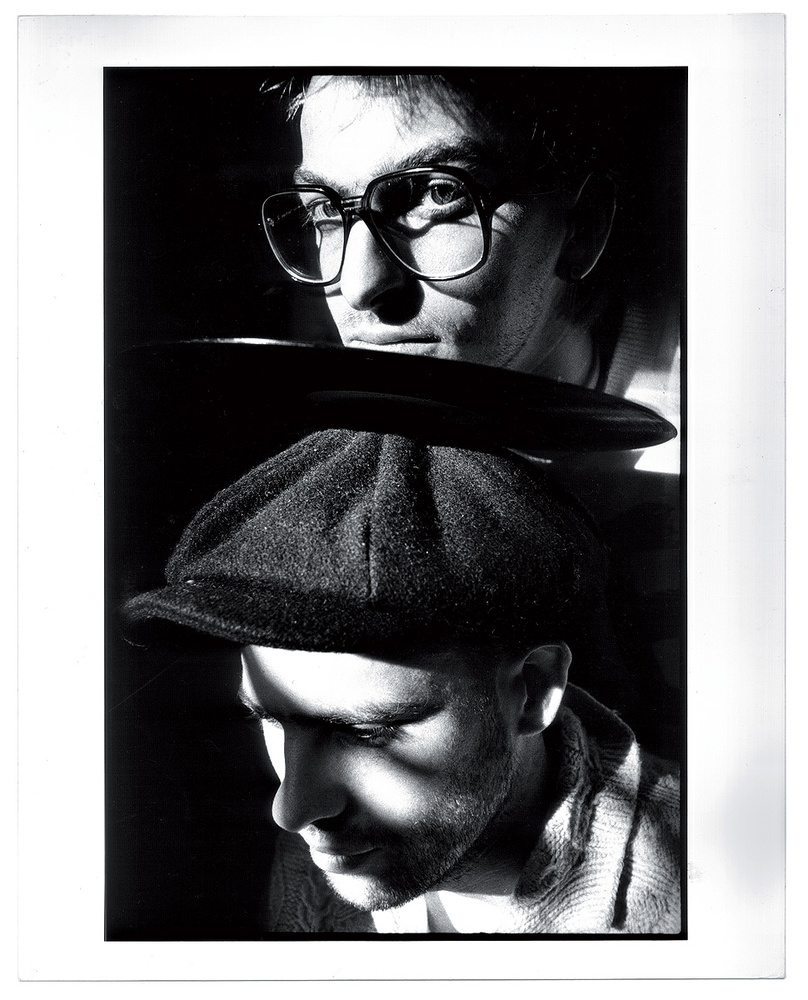
Coldcut / Matt Black and Jonathan More / Doctorin’ The House
Matt Black says Coldcut programmed the drums for “Doctorin’ The House” on a Casio RZ-1, then had the sounds strengthened in the studio.
Read Classic Tracks: Coldcut “Paid In Full” (Seven Minutes Of Madness) ↗
Nathan Fake / Providence
Nathan Fake identifies a Casio RZ-1 among the drum machines behind Providence, retaining a compact 1986 sampling box inside a much later electronic-album workflow.
Read Nathan Fake on the hardware behind Providence ↗Todd Terry (producer) / Bango
RZ-1 and repeated four-track bouncing used in production.
Read Todd Terry interview: Sometimes you just gotta push it ↗Todd Terry (producer) / Can You Party
RZ-1 and repeated four-track bouncing used in production.
Read Todd Terry interview: Sometimes you just gotta push it ↗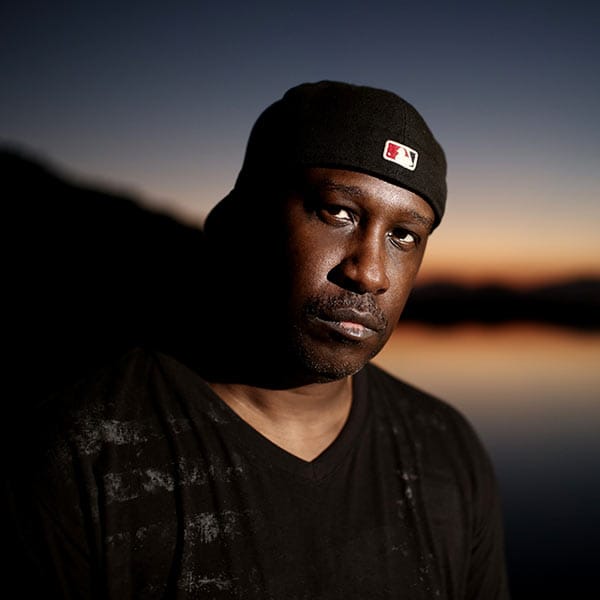
Todd Terry (producer) / A Day In The Life
RZ-1 and repeated four-track bouncing used in production.
Read Todd Terry interview: Sometimes you just gotta push it ↗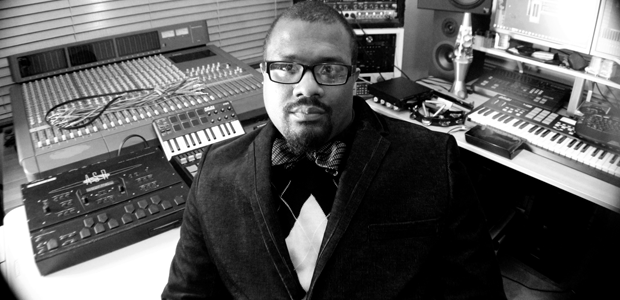
Pete Marriott / #REALHIPHOP
Artist says album drum sounds were sampled with RZ-1.
Read Interview With Pete Marriott ↗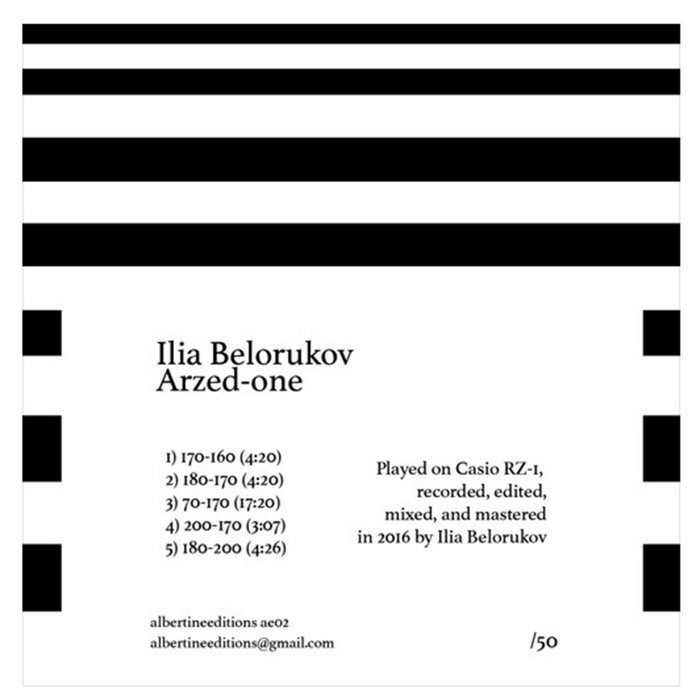
Ilia Belorukov / Arzed-One
Ilia Belorukov says Arzed-One was made only with a Casio RZ-1, pushing its sequencer above 160 BPM until small timing shifts became drone-like material.
Read Ilia Belorukov / Arzed-One ↗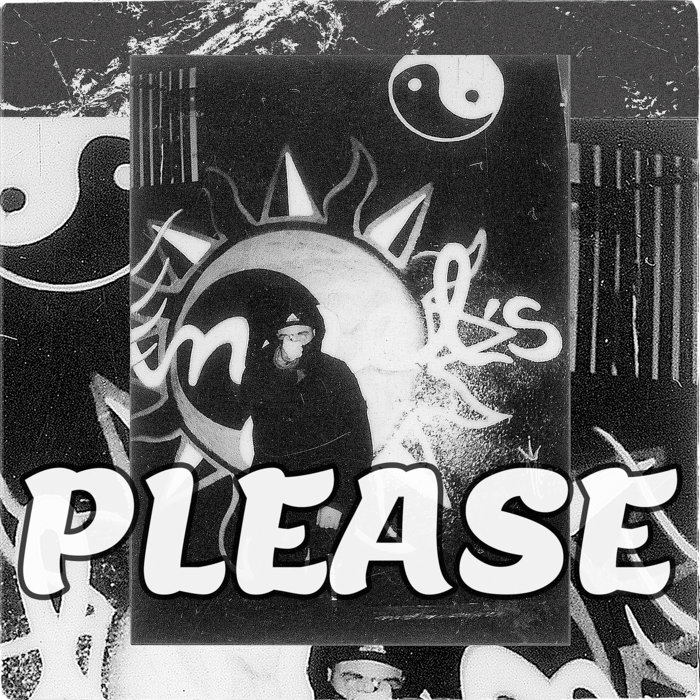
Orion Agassi / Please
Ritmo Astral calls Orion Agassi’s “Dance Trakk” an RZ-1 drum-machine and sampler workout.
Read Orion Agassi / Please ↗Direct Hit Productionz / beat-making source library
Direct Hit Productionz lists Casio RZ-1 sounds among the drum-machine sources used for its beat-making work.
Read Direct Hit Productionz drum-machine source library ↗Reported association
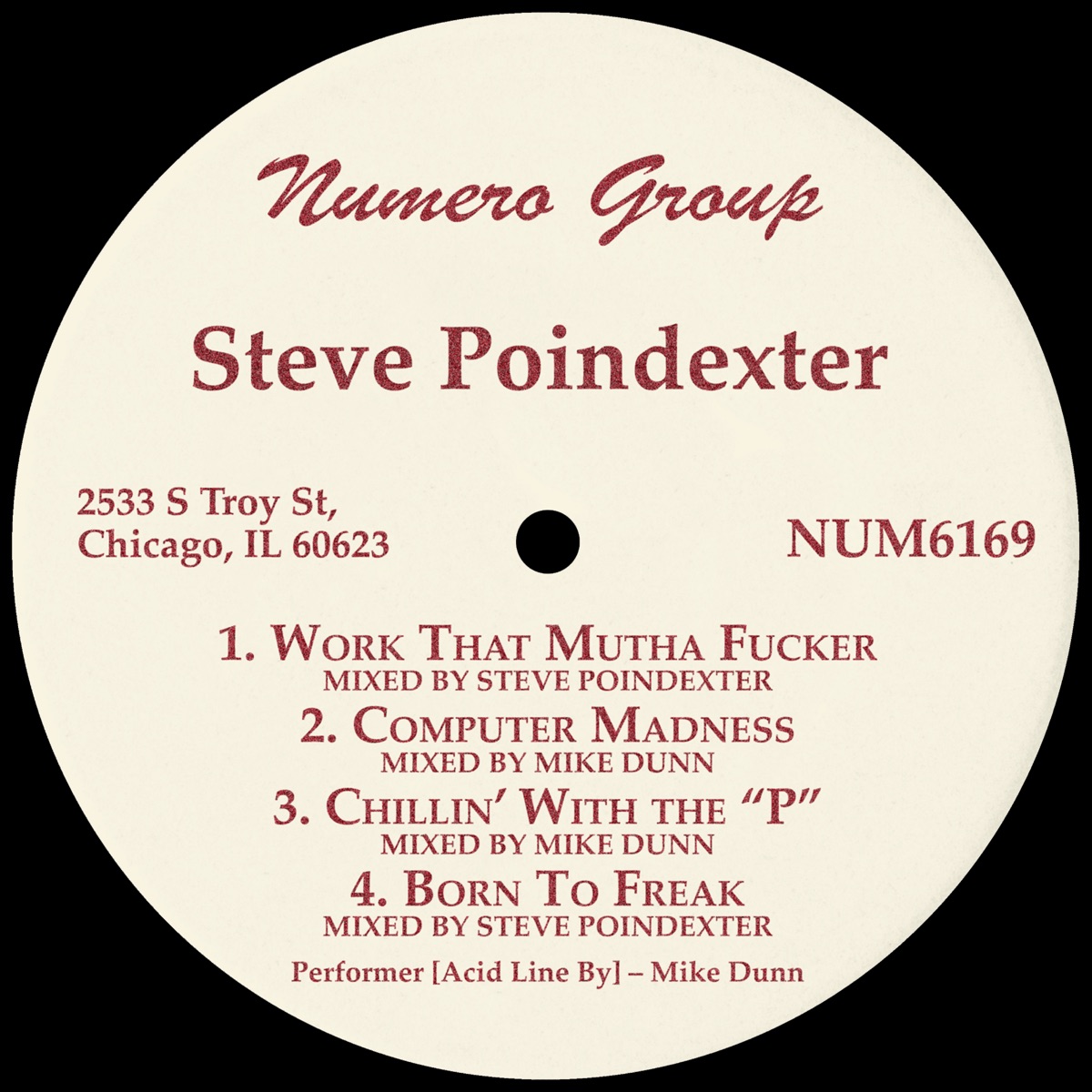
Steve Poindexter / “Work That Mutha Fucker”
The published history reports the title track as built on a Casio RZ-1, with a vocal sample triggered from its high tom.
Read Chicago Reader account ↗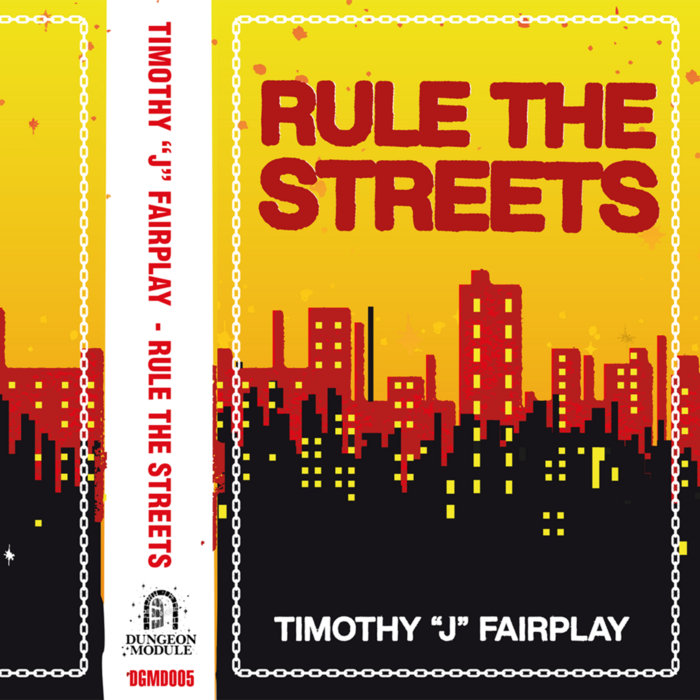
Timothy J. Fairplay / Rule The Streets
Dungeon Module describes Rule The Streets as recorded with Fairplay’s Casio RZ-1 central to the setup, and says “Livin’ It Up” was made entirely with its sampler.
Read Rule The Streets ↗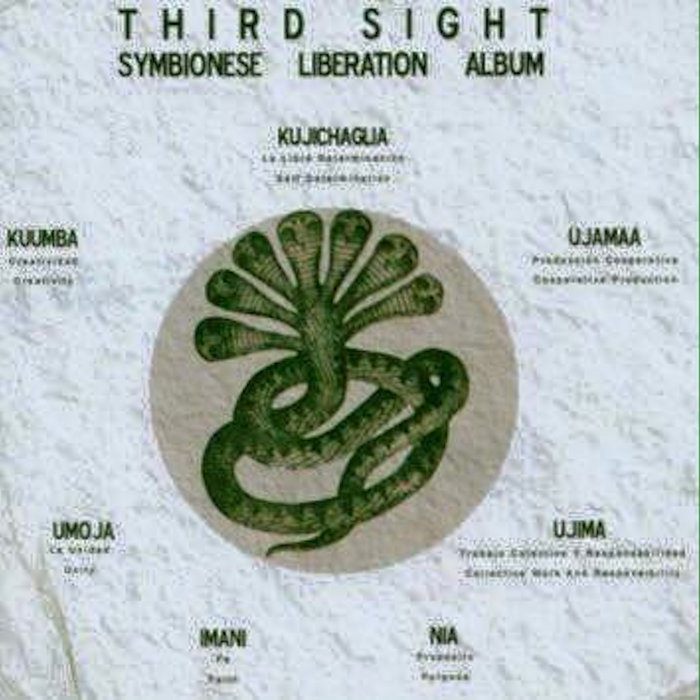
Third Sight / The Symbionese Liberation Album
Third Sight’s album notes list the Casio RZ-1 among the equipment used to make the album.
Read Third Sight — The Symbionese Liberation Album ↗Sampling comes within reach
The RZ-1 paired twelve built-in drum sounds with short user samples. A musician could capture a noise, a voice or a fragment of another instrument, then drop it straight into a pattern. For many players, that was the point: sampling became part of everyday rhythm making.Sources (2)
A practical machine with character
Contemporary reviews liked the speed of the sampling process, the sturdy case and the separate outputs. They also found the machine demanding: memory was short, voices were shared and pattern changes called for planning. Those limits gave the RZ-1 its particular working rhythm.
Sounds from a cassette
The supplied Sound Collection cassette offered narrated samples of drums, Latin percussion and synthesized sounds. Users armed the machine, paused the tape at the spoken cue, then captured the sound as it played. It was an analogue route into a personal sample library, and a very 1986 way to make a beat stranger.Sources (2)
A sampler that invited experiments
Reviews describe users trying piano chords and speech as readily as percussion. The RZ-1 was never only a replacement drum kit: it was a prompt to listen around the room and turn whatever was there into rhythm.Sources (2)
Todd Terry’s four-track machine
Todd Terry’s account makes the RZ-1 feel less like an inexpensive sampler than a practical centre of gravity. He places it inside repeated four-track bounces on “Bango”, “Can You Party” and “A Day In The Life”. Pete Marriott later used the same Casio’s sampling capability for the drum sounds on #REALHIPHOP. The small memory and simple workflow became a method: commit, bounce, then make the next decision.Sources (2)
In the market
- 1986-04: GBP 349 — UK review RRP; prototype explicitly identified in Goldstein review. RZ-1 Source ↗
- 1986-04: GBP 399 — UK review RRP; prototype explicitly identified in Goldstein review. RZ-1 Source ↗
On record
- Todd Terry (producer) — Bango. RZ-1 and repeated four-track bouncing used in production. Source ↗
- Todd Terry (producer) — Can You Party. RZ-1 and repeated four-track bouncing used in production. Source ↗
- Todd Terry (producer) — A Day In The Life. RZ-1 and repeated four-track bouncing used in production. Source ↗
- Pete Marriott — #REALHIPHOP. Artist says album drum sounds were sampled with RZ-1. Source ↗
- Nathan Fake — Providence. Nathan Fake identifies a Casio RZ-1 among the drum machines behind Providence, retaining a compact 1986 sampling box inside a much later electronic-album workflow. Source ↗
- Direct Hit Productionz — beat-making source library. Direct Hit Productionz lists Casio RZ-1 sounds among the drum-machine sources used for its beat-making work. Source ↗
- Steve Poindexter — “Work That Mutha Fucker”. The published history reports the title track as built on a Casio RZ-1, with a vocal sample triggered from its high tom. Source ↗
- Ilia Belorukov — Arzed-One. Ilia Belorukov says Arzed-One was made only with a Casio RZ-1, pushing its sequencer above 160 BPM until small timing shifts became drone-like material. Source ↗
- Orion Agassi — Please. Ritmo Astral calls Orion Agassi’s “Dance Trakk” an RZ-1 drum-machine and sampler workout. Source ↗
- Timothy J. Fairplay — Rule The Streets. Dungeon Module describes Rule The Streets as recorded with Fairplay’s Casio RZ-1 central to the setup, and says “Livin’ It Up” was made entirely with its sampler. Source ↗
- Third Sight — The Symbionese Liberation Album. Third Sight’s album notes list the Casio RZ-1 among the equipment used to make the album. Source ↗
Sources
- Casio RZ1
- Casio RZ1
- Sampling Perc!
- Beauty And The Beat, pp56–57
- Casio Digital Sampling Rhythm Composer RZ-1, pp92–93
- RZ-1 Service Manual & Parts List: cover and sampling circuit, printed pp.21–23
- RZ-1 owner instructions, Re-Manual 2005 edition, pp.26–28 and 35–36
- Todd Terry interview: Sometimes you just gotta push it
- Interview With Pete Marriott
- Pete Marriott / #REALHIPHOP / The Interview
- Ilia Belorukov / Arzed-One
The visual archive
Further visual evidence.
Sources for images shown earlier (8)
- Ilia Belorukov — Arzed-One ↗
Release date not stated on source page · Ilia Belorukov / release artwork via Bandcamp · Official Bandcamp release-page artwork (Open Graph image) - Orion Agassi — Please ↗
Release date not stated on source page · Orion Agassi / release artwork via Bandcamp · Official Bandcamp release-page artwork (Open Graph image) - Timothy J. Fairplay — Rule The Streets ↗
2023-12-01 · Timothy J. Fairplay / release artwork via Bandcamp · Official Bandcamp release-page artwork (Open Graph image) - Third Sight — The Symbionese Liberation Album ↗
2006-01-31 · Third Sight / release artwork via Bandcamp · Official Bandcamp release-page artwork (Open Graph image) - Nathan Fake — Providence ↗
2017-03-10T08:00:00Z · Nathan Fake / release artwork via Apple Music catalog artwork · Release catalogue and retained front artwork - Steve Poindexter — Work That Mutha F****r ↗
2024-11-11T12:00:00Z · Steve Poindexter / release artwork via Apple Music catalog artwork · Release catalogue and retained front artwork - Todd Terry — 54house.fm ↗
Undated · 54house.fm (photographer uncredited on source page) · Portrait image served in the 54house.fm artist-interview directory. - Pete Marriott — Bboy Tech Report interview ↗
2014-11-27 · Bboy Tech Report (photographer uncredited on source page) · Second studio photograph in “Interview With Pete Marriott”.
Additional visual sources (7)
Original publications and related image sources.
- Casio RZ-1 Service Manual & Parts List ↗
April 1986 · Casio · 25-page scan: cover PDF1; contents PDF2; printed pp.21–23 at PDF12–14 - Casio RZ-1 instructions: Re-Manual 2005 compilation ↗
2005 compilation · Casio · PDF pages 1,4,26–28,35–36; compilation page numbering - Beauty And The Beat; Casio RZ1; Sampling Perc! ↗
Apr 1986 · Electronics & Music Maker · Casio RZ-1 Sampling Rhythm Composer with RZ-1 model marking clearly visible. - Beauty And The Beat; Casio RZ1; Sampling Perc! ↗
Apr 1986 · Electronics & Music Maker · Casio RZ-1 Sampling Rhythm Composer product photograph with RZ-1 marking clearly visible. - Casio RZ1 ↗
Jul 1986 · In Tune · Casio RZ-1 Digital Sampling Rhythm Composer with Casio and RZ-1 markings clearly visible, tied to the credited July 1986 In Tune review. - Sampling Perc! ↗
May 1986 · Sound On Sound · Casio Digital Sampling Rhythm Composer RZ-1 product photograph with the model marking clearly visible, restored to its Sound On Sound article source. - Drum Machine Survey ↗
Mar 1987 · Sound On Sound · Casio RZ-1 product photograph from the Drum Machine Survey; the CASIO RZ-1 marking is visible.