
Akai’s MPC500 brought the portable MPC idea into the mid-2000s with twelve velocity-sensitive pads, CompactFlash, USB and a compact sampling sequencer. Battery power and the smaller twelve-pad surface made it an MPC designed to leave the studio desk.
The machine in the record
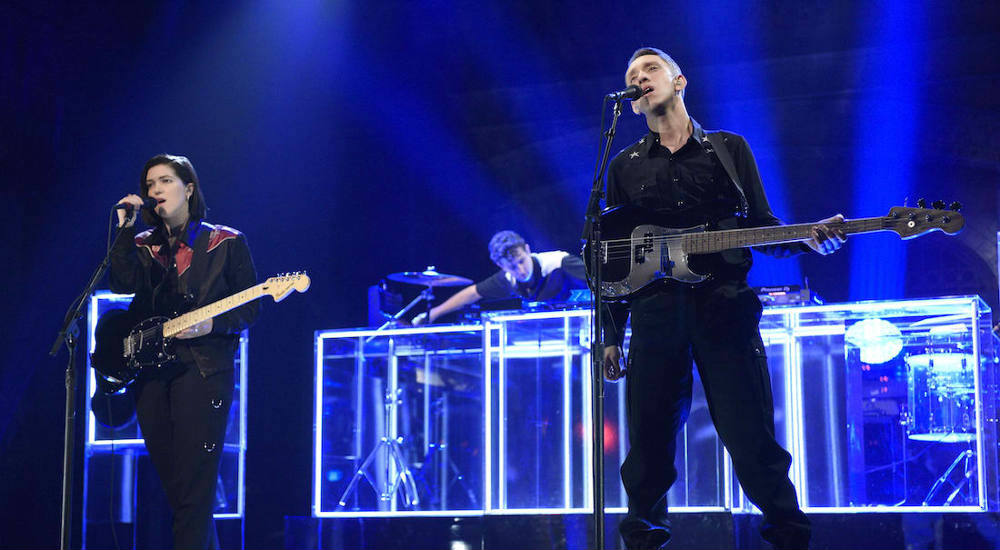
Jamie xx / “Intro”.
A retrospective gear feature says Jamie xx used two MPC500s to trigger loops and finger-drum in performances around The xx’s debut, connecting the setup to “Intro”. It does not reconstruct the exact session, but it places the pocket MPC in an early, defining live-record world.
Read Jamie xx and the Akai MPC500 ↗More records in the archive
The machine keeps turning up.
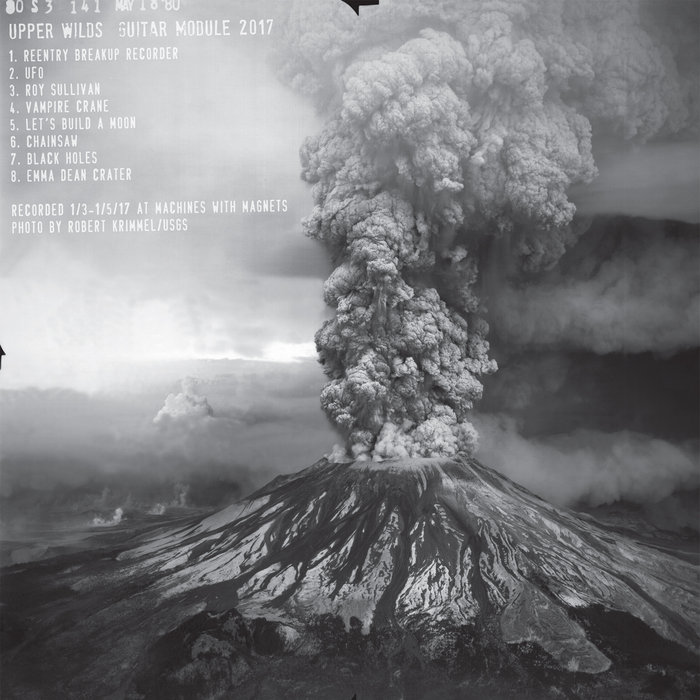
Dan Friel / Upper Wilds / Guitar Module 2017
Upper Wilds’ release page says Dan Friel performed Guitar Module 2017 using an Akai MPC500 sequencer.
Read Upper Wilds — Guitar Module 2017 ↗An MPC made to travel
Twelve velocity-sensitive pads and battery power let the MPC500 leave the studio desk. A musician can record a sample, place it under a pad and play the phrase into its sequencer. The compact case carries a 32-voice sampler and 48 sequence tracks, so the travelling part can include both its own sounds and MIDI instructions for other instruments.
Akai Professional unveils the MPC500 ↗ MPC500 Reference Manual, rev. C ↗
A compact working surface
Pad banks extend the sounds available from the twelve-pad surface. Q-Link provides a way to change a sound parameter, while CompactFlash storage and USB carry samples and sequence data between sessions. The reference manual follows the same working order as the player: sample, assign, perform, edit and save.
MPC500 Reference Manual, rev. C ↗ MPC500 documentation index ↗
Capability with a smaller screen
Mike Senior’s May 2007 review praised the amount of MPC functionality in the small box, while finding the display a constraint on working with it. The portability came with a more compressed view of the job. His UK review listed £399 including VAT; Akai’s announcement on 20 September 2006 had quoted a US MSRP of $1,299 and said the machine was shipping immediately. The figures describe different markets and moments. The announcement’s “shipping immediately” wording does not establish worldwide availability on that date.
Recording and working accounts
Explore 2 source accounts
- Jamie xx / The xx — “Intro”
A gear feature reports that Jamie xx used two MPC500s to trigger loops and finger-drum during performances around The xx’s debut, and connects this setup to “Intro”.
- Dan Friel / Upper Wilds — Guitar Module 2017
Sources
The visual archive
Further visual evidence.
Sources for images shown earlier (2)
- The xx / Mixdown Magazine ↗
- Dan Friel / Upper Wilds — Guitar Module 2017 ↗
Release date not stated on source page · Dan Friel / Upper Wilds / release artwork via Bandcamp · Official Bandcamp release-page artwork (Open Graph image)
Additional visual sources (1)
Original publications and related image sources.
- Sound On Sound — Akai MPC500 ↗
May 2007 · Mike Senior / Sound On Sound · MPC500 review page and product imagery