
The Kinsman Rhythm Prince belongs to the first wave of organ accompaniment accessories, when a single player could fill a room with keyboard and preset rhythm. Trade reporting from 1963 placed it beside Kinsman’s organ products as a small device with a large practical promise.
The machine in the record
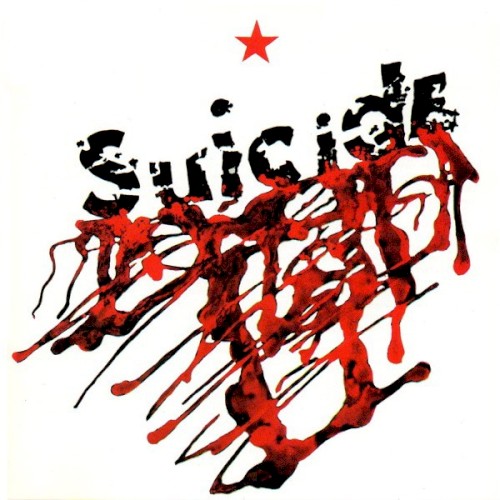
Suicide / Suicide.
Martin Rev’s Seeburg Rhythm Prince was set beside Farfisa, distortion boxes and transistor radio for the sessions behind Suicide’s 1977 debut. The effects are inseparable from the machine in this story, but the rhythm source remains a striking part of the record’s primitive electronic machinery.
Read Suicide: Dream Baby Dream ↗More records in the archive
The machine keeps turning up.
Jimi Tenor / Wormhole Mystic
Jimi Tenor’s Wormhole Mystic release copy names the Seeburg Rhythm Prince among the vintage machines that supplied the album’s initial programmed rhythms.
Read Jimi Tenor — Wormhole Mystic ↗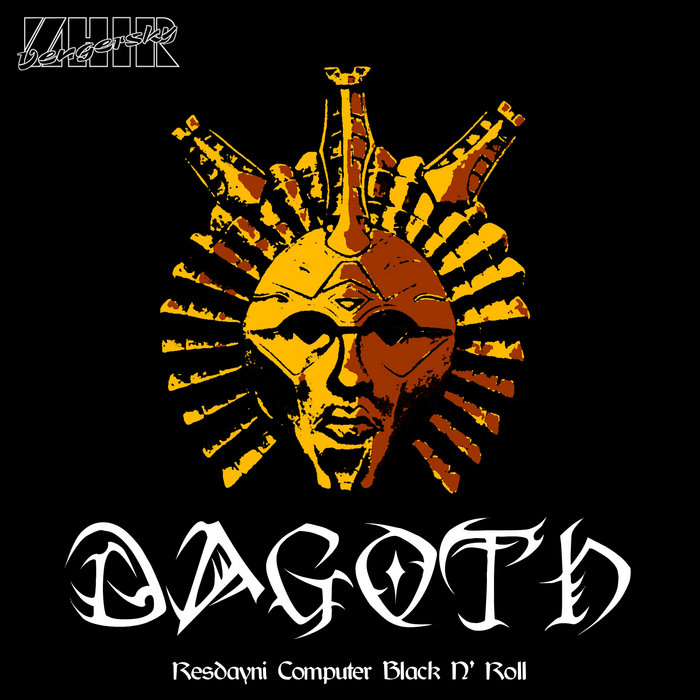
Zhir Vengersky / Max Major / DAGOTH
Zhir Vengersky’s DAGOTH equipment notes list a Seeburg Rhythm Prince with the TR-909 and TR-707 in the record’s percussion setup.
Read Zhir Vengersky / DAGOTH ↗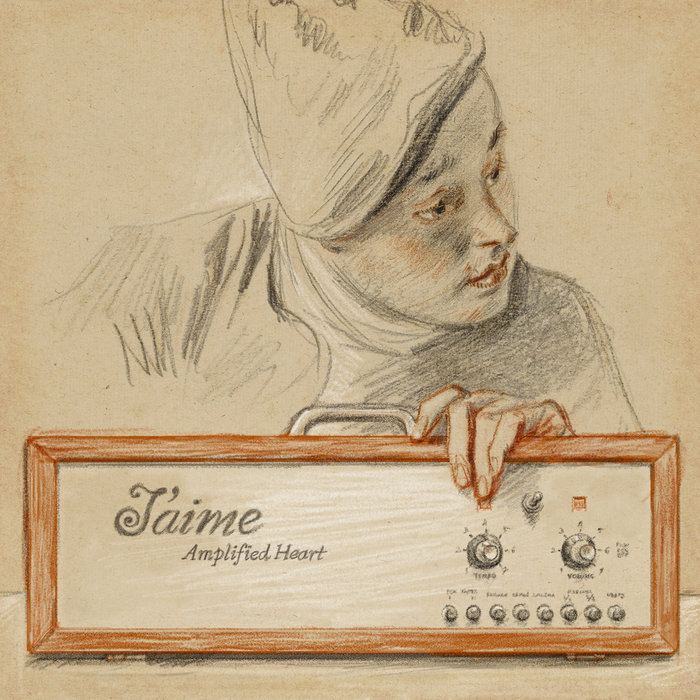
J’AIME / Jaime Cristóbal / Amplified Heart
The release account places an analogue Seeburg Rhythm Prince at the start of “Amplified Heart”, alongside a Juno-106 and Korg Monotron.
Read J’AIME / Jaime Cristóbal — “Amplified Heart” ↗A Rhythm Prince in the organ showroom
A Cash Box report from August 1963 named the Kinsman Organ accessory Rhythm Prince separately from the company’s Rhythm King. That contemporary distinction matters: the two names appeared together in the trade, but they described different parts of the Kinsman accompaniment offer.
The Seeburg PRP record
A surviving Rhythm Prince carries a Seeburg factory plate identifying model PRP. Its front panel retains eight rhythm-selection buttons, while the Creative Commons photograph of an opened unit exposes the mechanical pattern assembly. These objects give the machine a concrete identity beyond period trade shorthand.
A named machine in Suicide’s setup
A book extract built from first-hand recollections identifies Martin Rev’s Seeburg Rhythm Prince in the setup for Suicide’s 1977 album sessions. It gives the machine a documented artistic context without assigning every rhythm on the record to the PRP.Source (1)
On record
- Suicide — Suicide. Martin Rev’s Seeburg Rhythm Prince sat with Farfisa, distortion boxes and transistor radio in the sessions for Suicide’s 1977 debut. Source ↗
- Jimi Tenor — Wormhole Mystic. Jimi Tenor’s Wormhole Mystic release copy names the Seeburg Rhythm Prince among the vintage machines that supplied the album’s initial programmed rhythms. Source ↗
- Zhir Vengersky / Max Major — DAGOTH. Zhir Vengersky’s DAGOTH equipment notes list a Seeburg Rhythm Prince with the TR-909 and TR-707 in the record’s percussion setup. Source ↗
- J’AIME / Jaime Cristóbal — Amplified Heart. The release account places an analogue Seeburg Rhythm Prince at the start of “Amplified Heart”, alongside a Juno-106 and Korg Monotron. Source ↗
Sources
The visual archive
Further visual evidence.
Sources for images shown earlier (4)
- Seeburg Rhythm Prince, open-panel view ↗
- Zhir Vengersky / Max Major — DAGOTH ↗
2026-05-06 · Zhir Vengersky / Max Major / release artwork via Bandcamp · Official Bandcamp release-page artwork (Open Graph image) - J’AIME / Jaime Cristóbal — Amplified Heart ↗
Undated · J’AIME / Jaime Cristóbal / release artwork via Bandcamp · Official Bandcamp release-page artwork (Open Graph image) - Suicide — Suicide ↗
1977 · Suicide / Red Star Records · MusicBrainz Cover Art Archive front image for the 1977 Suicide release group.
Additional visual sources (3)
Original publications and related image sources.
- Seeburg Enters 'Home Music' ↗
1963-07-20 · Billboard · Printed p.37 / PDF p.37 - Chicago Chatter: Kinsman Rhythm King and accessory Rhythm Prince ↗
1963-08-03 · Cash Box · Printed p.53 / PDF p.53, lower-left Chicago Chatter column - Seeburg Rhythm Prince Model PRP front ↗
Listing inspected 20 September 2026 · Rutherford Music Exchange · Listing image 1 of 13