
Ensoniq’s ASR-X put sampling, sequencing and effects into a late-1990s production workstation made for musicians who wanted to turn found sound into a beat without leaving the hardware.Sources (10)
The machine in the record
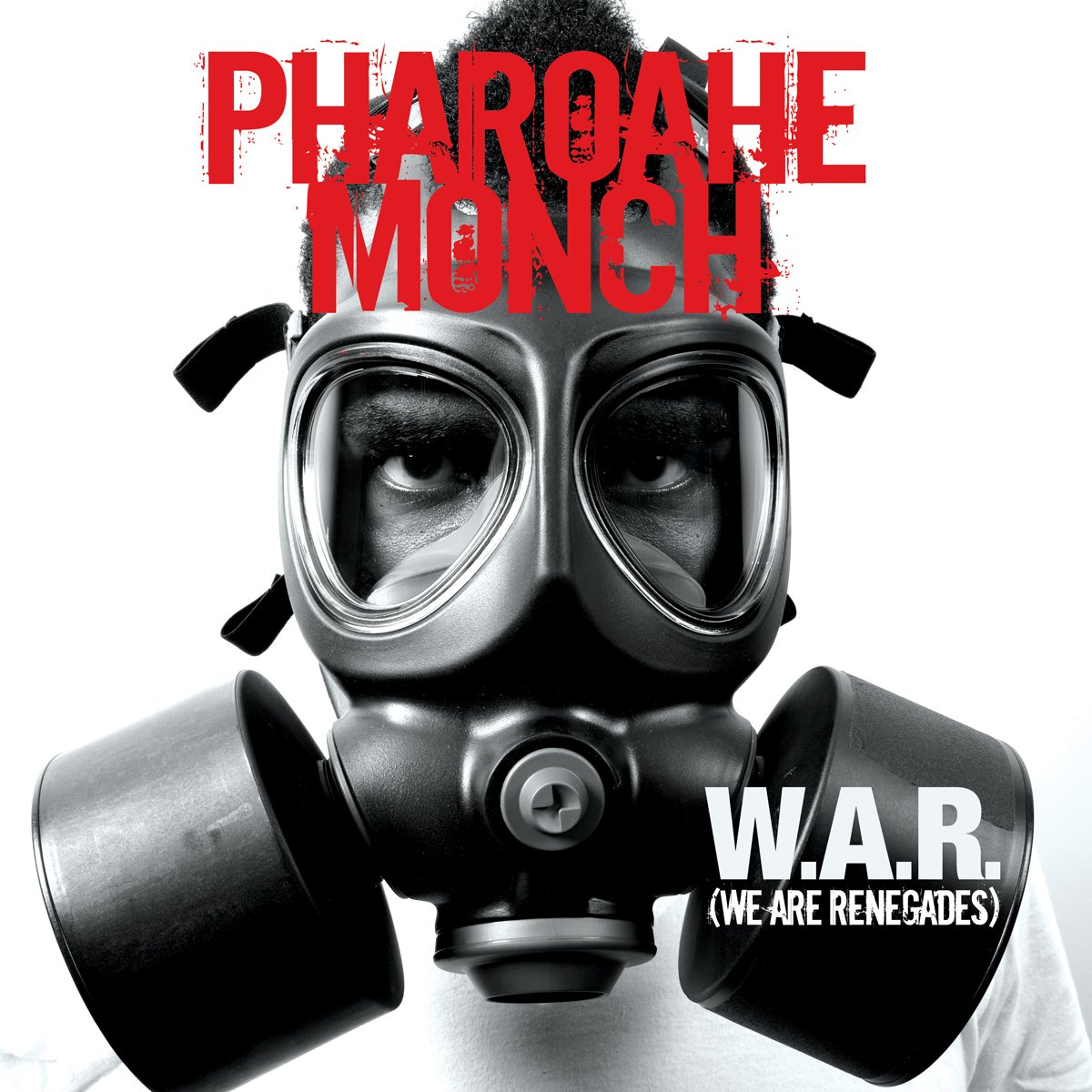
Fatin / Pharoahe Monch — “Let My People Go”.
Producer Fatin says he used an ASR-X while creating the beat for Pharoahe Monch’s “Let My People Go”, before replayed parts including organ carried the track further. It is production testimony for one named song, not a claim about Monch’s own equipment or every element in the mix.
Read The Art of W.A.R: Making Pharoahe Monch’s We Are Renegades (Part 1) ↗More records in the archive
The machine keeps turning up.
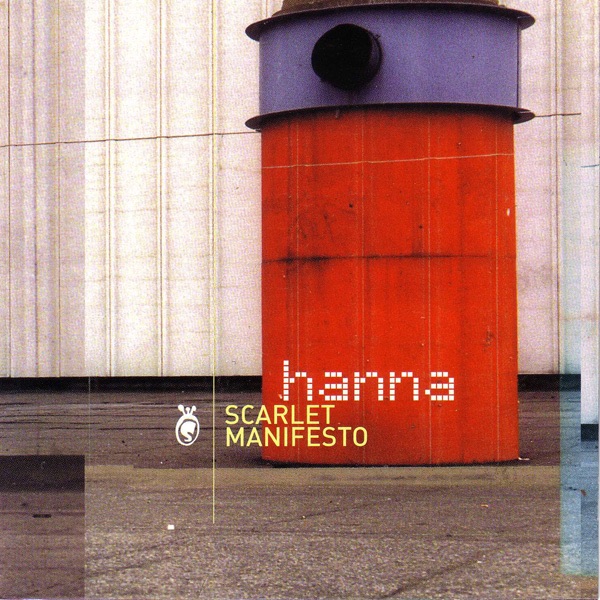
Hanna (Warren Harris) / Peacemaker — discussed in Scarlet Manifesto profile
Profile identifies Peacemaker as built with ASR-X alone; separately documents SP-808 recording, DAT transfer and computer mastering.
Read Emphatic Statement, Electronic Musician August 2001, p.38 ↗Masters at Work / Louie Vega and Kenny Dope / Nu Yorican Soul-era ASR-X campaign
Ensoniq’s 1997 campaign says Louie Vega and Kenny Dope helped design the ASR-X and places the unit alongside Masters at Work’s Nu Yorican Soul period.
Read It’s Big! ASR-X / Masters at Work advertisement, Electronic Musician December 1997 ↗The sampler becomes a beat-making desk
Chris Carter’s 1997 review describes the ASR-X as a sampling workstation with pads, sequencer and effects gathered into one deliberately performance-minded machine. Ensoniq’s User’s Guide makes the working method concrete: take a sound, shape it, arrange it and return it to the pads as part of a live pattern.
A late-1997 arrival
Sweetwater promoted the ASR-X in its late-summer 1997 catalogue, while Ensoniq’s December advertisement placed it beside Masters at Work. Operating-system addenda extended the machine’s functions as its users found new ways to work with it. Warren Harris of Hanna and producer Fatin have each described ASR-X use in their own production worlds.Sources (7)
In the market
- 1997-09: GBP 1199 — Review-period UK price. Base unit Source ↗
- 1998-12: GBP 750 — Later discounted price reported in successor review. Original model; compare software revision before feature claims Source ↗
- 1997, late summer: USD 1595 — US retailer-published list price and reported stock availability. ASR-X; actual discounted Sweetwater price not printed. Limited dealer Bonus Beats floppy bundle described separately. Source ↗
On record
- Hanna (Warren Harris) — Peacemaker — discussed in Scarlet Manifesto profile. Profile identifies Peacemaker as built with ASR-X alone; separately documents SP-808 recording, DAT transfer and computer mastering. Source ↗
- Pharoahe Monch; produced by Fatin — Let My People Go — W.A.R. (We Are Renegades). Fatin identifies ASR-X use during beat creation and describes later replayed parts including organ. Source ↗
In the studio and on stage
- Masters at Work / Louie Vega and Kenny Dope — Nu Yorican Soul-era ASR-X campaign. Ensoniq’s 1997 campaign says Louie Vega and Kenny Dope helped design the ASR-X and places the unit alongside Masters at Work’s Nu Yorican Soul period. Source ↗
Sources
- Ensoniq ASR-X
- Ensoniq ASRX Pro
- Ultra-cool & affordable: ASR-X, Sweet Notes, Late Summer 1997, p.6
- It’s Big! ASR-X / Masters at Work advertisement, Electronic Musician December 1997
- ASR-X User’s Guide Version 1.10, part 9310 0214 01-B
- ASR-X Version 2.00 Operating System Reference Manual Addendum, part 9311009301-A
- ASR-X Operating System Reference Manual Addendum, Versions 2.00 to 2.50
- Emphatic Statement, Electronic Musician August 2001, p.38
- The Art of W.A.R: Making Pharoahe Monch’s We Are Renegades (Part 1)
- W.A.R. (We Are Renegades) official discography entry
The visual archive
Further visual evidence.
Sources for images shown earlier (3)
- Ensoniq ASR-X User’s Guide ↗
- Hanna (Warren Harris) — Peacemaker ↗
Undated document · Hanna (Warren Harris) / release artwork via Apple Music catalogue · Release catalogue and retained front artwork - Pharoahe Monch — W.A.R. (We Are Renegades) ↗
2011-03-22 · Pharoahe Monch / release artwork via official artist website · Official artist website release artwork
Additional visual sources (6)
Original publications and related image sources.
- Sweet Notes: ASR-X feature ↗
Late Summer 1997 · Sweetwater · Printed page 6 - Ensoniq ASR-X advertising in Electronic Musician ↗
December 1997 · Ensoniq / Electronic Musician · Exact printed page to locate - ASR-X User’s Guide Version 1.10 ↗
1997 copyright · Ensoniq / Robby Berman · 30-page PDF; printed ii and 19–20 (PDF 8,29,30) visually inspected; credits and introductory track description read as extracted text - ASR-X OS 2.00 Reference Manual Addendum ↗
1997 copyright · Ensoniq / Robby Berman · 18-page PDF; credits and contents; printed pp.1,10 (PDF pp.7,16) - ASR-X OS 2.00–2.50 factory addendum ↗
Undated document · Ensoniq / Robby Berman · 28-page PDF; contents and printed pp.1–2,13–14 visually inspected - Hanna / Scarlet Manifesto contemporary profile ↗
2001-08 · Matt Gallagher · Printed/PDF p.38