
Zoom’s product history places the SB-246 in 2005.
Getting started
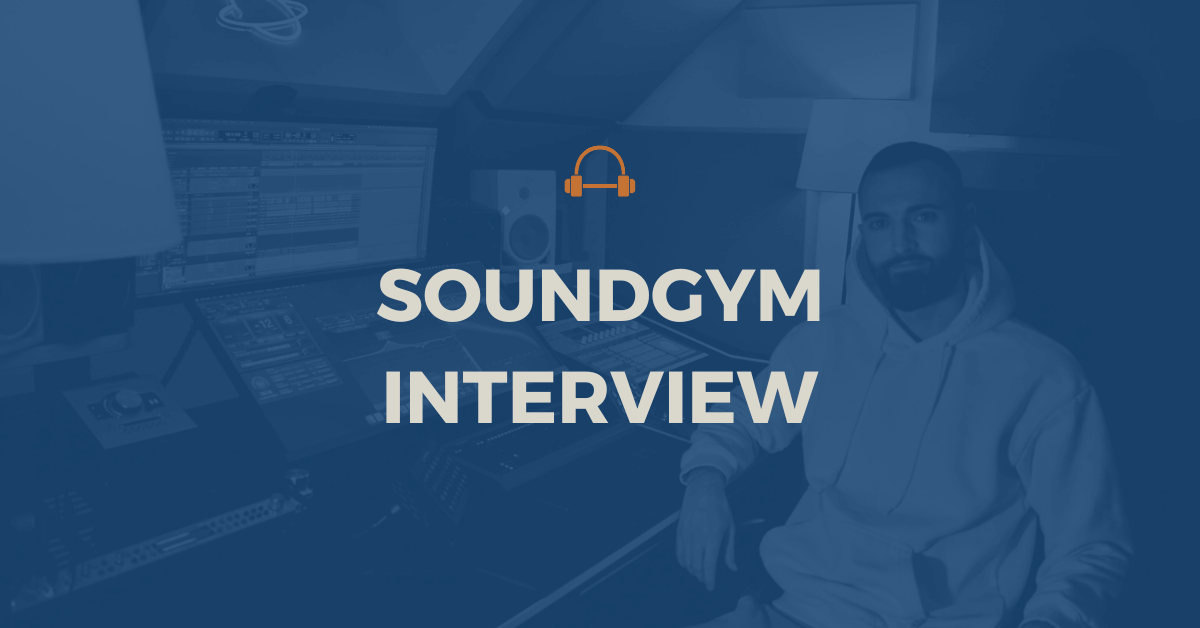
Andi Herzog / learning to record.
Andi Herzog remembers the StreetBoxx alongside Magix Music Maker as he began recording beats and vocals. His account places this small rhythm box at the beginning of a working life in production and mixing.
Read Andi Herzog and the Zoom SB-246 ↗A beat-maker’s vocabulary
The StreetBoxx made its musical intentions plain in its sound bank. Its kit categories ran through Old School, Dirty South, East Coast and West Coast: a map of styles before the player had pressed a pad. The factory supplement supplies the matching sound-bank list, giving this small box a much more particular identity than “portable rhythm workstation.”
That identity had people behind it. In a 2010 interview profile, Black Enterprise credited Reavis Mitchell and Aja Emmanuel with developing the SB-246’s concept and sound set and identifying its audience. The account dates their collaboration to 2004; Zoom’s product history places the machine under 2005. Development and a manufacturer’s product chronology describe different moments in its arrival.
Street Boxx SB-246 Supplement ↗ They’ve Got the Beat ↗ Product history ↗
Play a sound—or play a pattern
Zoom supplied the RT-223 manual as the StreetBoxx operating guide. Its pads could play individual sounds, enter drum and bass parts, or call up patterns. Real-time recording and step entry offered different ways to build a phrase; song mode put patterns into an arrangement.
Groove Play turned those pads into another kind of instrument. Instead of playing a single hit, a pad could launch an assigned pattern. Up to four patterns could run together at one tempo. Holding several pads therefore made the arrangement something to perform, with combinations changing under the fingers.
The shared operating guide explains the method; the StreetBoxx supplement identifies its sound bank. Keeping those two documents together makes the machine easier to understand without mistaking it for an RT-223 with an interchangeable library.
A route into recording
Producer Andi Herzog recalled recording vocals and a Zoom SB-246 with Magix Music Maker as he learned production. His 2023 interview gives the machine a place in an ordinary working life: beats, a modest recording setup and a growing interest in mixing. It is a small account, but a useful one. A machine’s history also lives in the people it helped get started.
Recording and working accounts
Explore 2 source accounts
- Deaton Chris Anthony — I Shake That Ath
An equipment record attributes a Zoom Streetboxx SB-246 to the production of I Shake That Ath.
- Andi Herzog — early beat-making and recording
Herzog recalls a Zoom SB-246 as the groove box that drew him into beat-making and recording.
Sources
The visual archive
Further visual evidence.
Sources for images shown earlier (2)
- Zoom StreetBoxx SB-246 supplement ↗
- Andi Herzog — SoundGym, 2023 ↗
2023 · Andi Herzog / SoundGym · Lead studio photograph for Andi Herzog’s SoundGym interview.
Additional visual sources (1)
Original publications and related image sources.
- RT-223 operating manual used with SB-246 supplement ↗
2005-05-26 layout timestamp · Zoom · 88 PDF pages; text inspected pp4,38–39,70–73